


A Significant Release
On June 23, 2026, the HBO Original documentary The Welcome Table made its debut in the United States. Available for streaming on Max, Crave, and other premium digital platforms, the film is a significant exploration of the impact of climate change on human lives. Under the direction of Oscar-nominated filmmaker Josh Fox, this compelling documentary takes viewers on a poignant six-year journey across six continents, shedding light on the human cost of climate-induced displacement.
The Power of Visual Metaphors
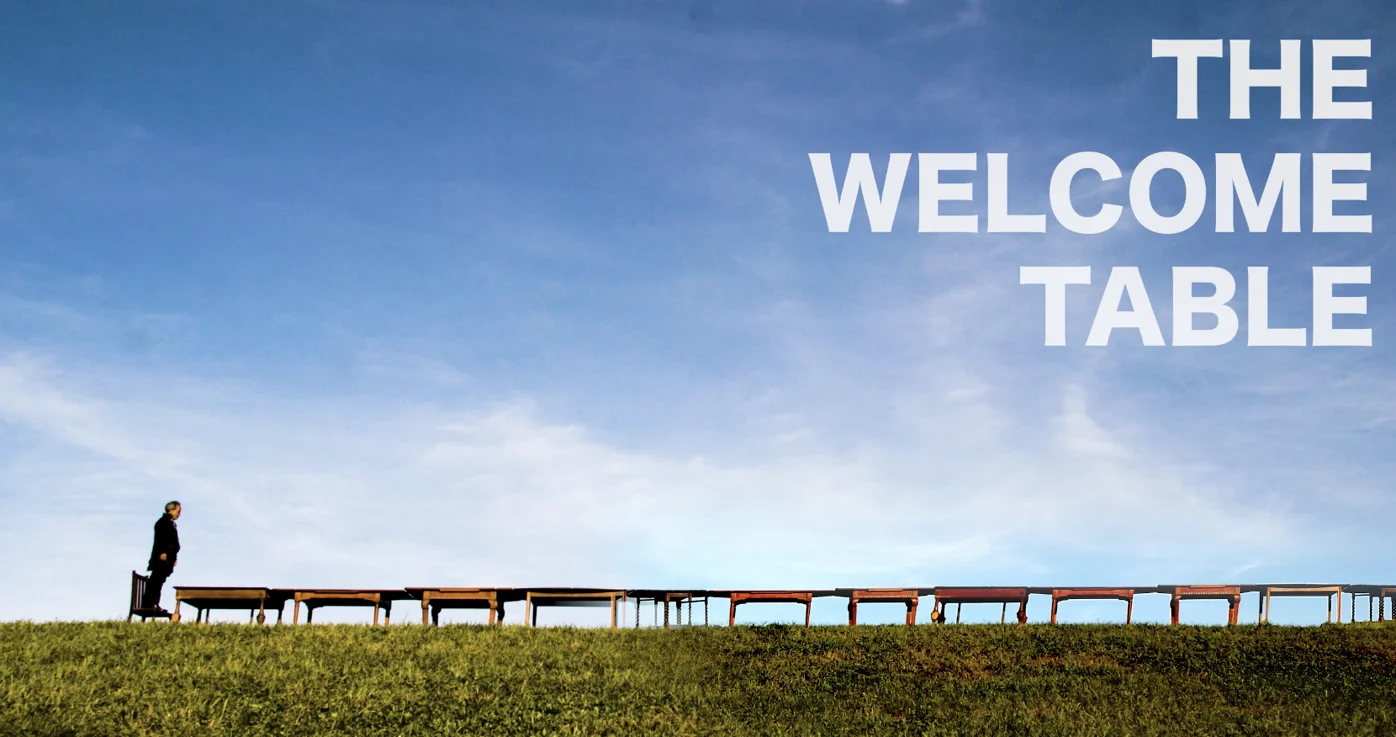
The documentary’s centerpiece is a striking visual: a 1,000-foot communal dinner table placed on a levee in New Orleans. This powerful image serves as a reminder of hospitality in a world that seems more focused on building barriers. Fox’s The Welcome Table effectively juxtaposes the inviting nature of a table against the troubling reality of walls, detention centers, and the systemic cruelty often seen in immigration policies.
Gathering in New Orleans
New Orleans, a city with a rich yet troubled history marked by Hurricane Katrina, serves as a backdrop for the gathering of those displaced by various environmental catastrophes. As the film unfolds, it reveals the interconnected stories of individuals uprooted by fires, floods, droughts, and other crises, who come together to share their experiences of loss, political failures, and community support.
Authenticity Over Statistics
Fox’s return to environmental filmmaking, following his notable work in Gasland, emphasizes the human side of climate displacement. The documentary opts for emotional storytelling rather than a clinical presentation of facts, which results in a compelling and often moving portrayal of the survivors’ realities.
The film shines brightest when it shifts focus from the table to the individuals who will later gather around it. Heart-wrenching narratives emerge, such as that of Paradise, California fire survivors who recount their desperate escape with a child, only to witness their safe haven consumed by flames.
Visual Storytelling of Loss and Resilience
Amidst the remnants of their past lives, one of the film’s most poignant images is the sight of charred household items where normalcy once existed—a stark reminder of the personal toll of the climate crisis. In the aftermath of Hurricane Irma, the documentary captures a piano left behind, a testament to the absurdity and tenacity of grief.
The Welcome Table also illustrates the resilience among communities affected by disasters, showcasing Brazilian queer activists piecing their lives back together after mudslides and torrential rains. This segment highlights mutual aid as an essential practice rather than a mere catchphrase.
Broader Implications of Displacement
In the Peruvian Amazon, the film delves into both the scars of resource extraction and the forest’s ability to heal, while Australian families discuss their homes that technically survived floods, expanding the notion of loss to include unlivable conditions.
The segment set in Calabria adds a crucial political dimension, with the town of Riace highlighting the potential of migration to rejuvenate dying communities. Here, the mayor’s efforts to embrace hospitality contrast sharply with national policies that criminalize movement, revealing the irony of nations built on migration turning against newcomers.
A Clear and Urgent Message
Fox’s metaphor of a wall vs. a table encapsulates a stark reality: walls exclude, while tables invite. The film returns to this theme by contrasting immigration enforcement with the welcoming spirit embodied by the table, framing climate displacement as a pressing challenge for political thought and action.
The film’s critique is unrelenting; it highlights the privileges of those who contribute most to climate change and are least affected by its immediate consequences. The Welcome Table compellingly argues against the notion that disasters are natural, emphasizing that policies of abandonment significantly shape the outcomes for vulnerable populations.
Aesthetic Experience and Cultural Resonance
Through widescreen visuals of the levee table, the film captures the communal spirit and shared grief of the displaced, topped with the clouds overhead, symbolizing an ongoing debate with nature itself. As New Orleans music, notably enriched by John Boutté’s contributions, fills the air, the gathering becomes a rich tapestry of humanity, illustrating the collective insistence on connection amidst suffering.
Challenges of Narrative Balance
However, the documentary does face a challenge regarding narrative power—who speaks and for how long. While honoring personal testimonies, Fox’s narrative occasionally interjects too frequently, overshadowing the raw emotion conveyed through the individuals’ lived experiences.
At a runtime of 130 minutes, the film also navigates historical and legal contexts that, while relevant, may disrupt the emotional flow. The focus on the table often risks relegating the stories of those affected to mere support for an argument rather than allowing their experiences to stand on their own.
Embracing Complexity in Grief
Despite its shortcomings, The Welcome Table uses music—jazz, brass, and collective singing—to balance the narrative, allowing grief to coexist with moments of joy. The most evocative scenes depict tragedy and resilience in tandem: a ruined community, a shared meal, a song that embraces loss without erasing it.
A Call for Hospitality
Ultimately, the film’s message rings clear: there is a desperate need for hospitality amidst exclusion. The vision laid out by The Welcome Table holds a mirror to society, reflecting the urgent necessity for a compassionate response to climate displacement. Although Fox’s narration sometimes places him between the viewer and the stories he aims to tell, the documentary’s core demand for inclusiveness over exclusion resonates powerfully.