

When a high‑profile star teams up with an acclaimed director, expectations naturally rise. The Runner—the latest Gal Gadot vehicle streaming exclusively on Prime Video—promises a pulse‑pounding chase wrapped in glossy cinematography. Yet, despite the polished surface, the film repeatedly trips over a script that feels more like a checklist than a narrative. This review unpacks why the movie delivers visual slickness but falls short of delivering genuine tension or emotional resonance.
Synopsis
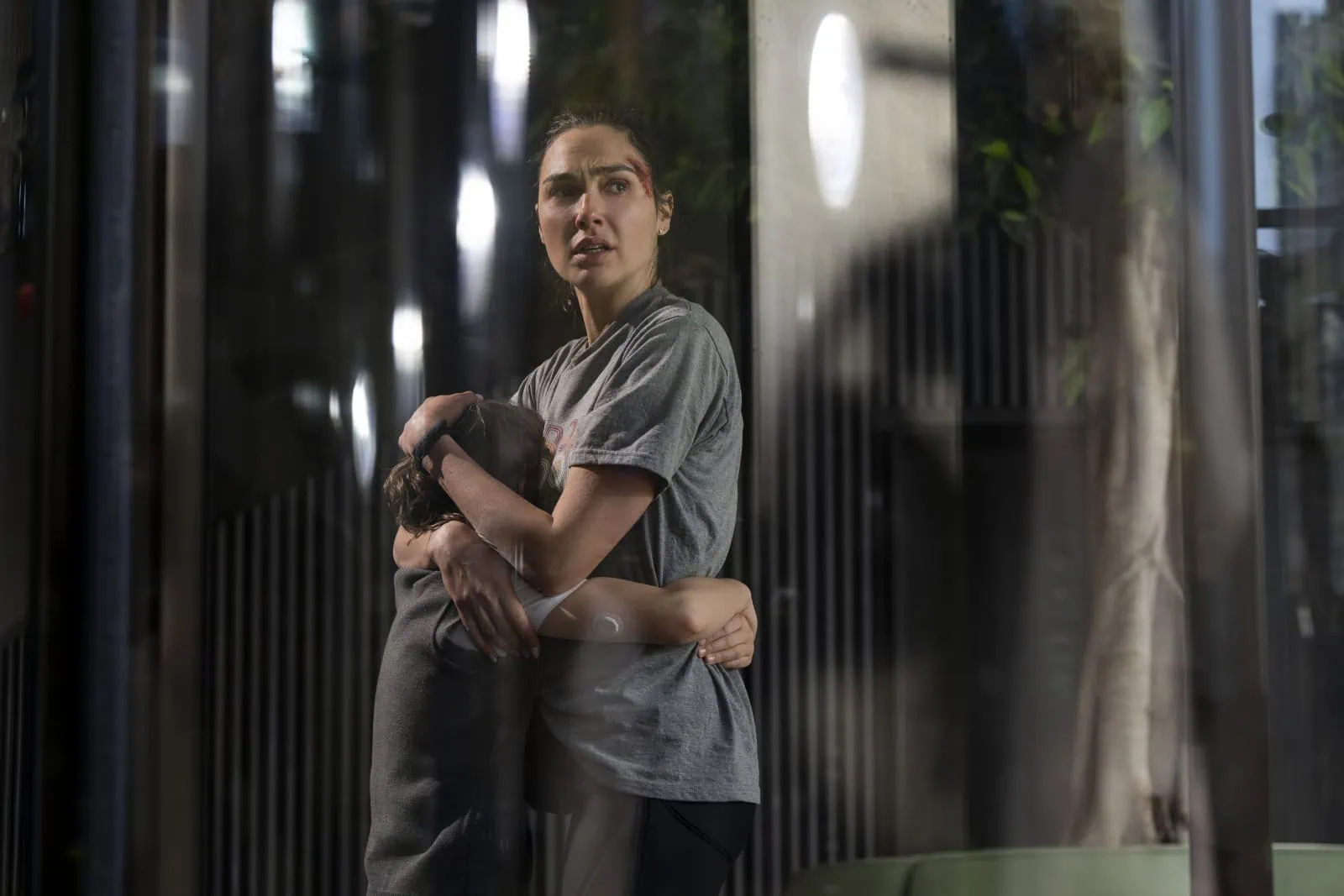
Maia Marten, a London‑based attorney and single mother, juggles a demanding court case with her daily run. A fleeting moment of trust—allowing her son Noah to walk the last few yards to school alone—sets off a perilous chain of events. A mysterious caller kidnaps Noah, injects him with extra insulin, and forces Maia to eliminate a questionable client within a narrow window to save her child’s life. The story follows her frantic race across the city as she battles time, fear, and an unseen antagonist whose motives remain shrouded in secrecy.
Performances
Gal Gadot steps into the role of Maia with the poise that made her Wonder Woman iconic, yet the script limits her to a series of reactive beats rather than allowing her to explore the character’s fear, desperation, or moral ambiguity. Her physicality shines during the chase sequences, but the emotional core feels under‑utilized.
Rory Wilmot, as Noah, delivers a credible portrayal of a child caught in a nightmare, though his screen time is brief. Damien Lewis, credited only as “the Caller,” brings a menacing vocal presence that hints at a deeper threat, but the role remains largely one‑dimensional, relying on vocal modulation rather than substantive character work. The supporting cast, including Phoenix Di Sebastiani as the ill‑fated client Tafa, fulfills functional purposes without leaving a lasting impression.
Behind the Lens
Kevin Macdonald, whose documentary expertise includes Touching the Void and Whitney, and whose feature credits span The Last King of Scotland and State of Play, brings his trademark sense of immediacy to The Runner. The cinematography is crisp, employing handheld urgency during the chase and slick, city‑scape vistas that make London feel both expansive and claustrophobic.
Editing maintains a brisk pace, matching the ticking‑clock premise. However, the screenplay—penned by Mark Gibson, whose recent work leans toward family fare—relies heavily on exposition dumps and repetitive dialogue patterns. Gibson’s adherence to a conventional “race against time” template strips the film of surprise; even Macdonald’s talent for building tension cannot fully compensate for a narrative that recycles familiar beats without adding fresh twists or moral complexity.
Final Verdict
The Runner succeeds as a visual spectacle: the cinematography is polished, the set pieces are energetic, and Gal Gadot’s screen presence remains undeniable. Unfortunately, those strengths are undermined by a script that plays it safe, offering predictable plot points, over‑explained dialogue, and missed opportunities for moral ambiguity or genuine suspense. Viewers seeking a mindless, adrenaline‑filled ride may find enough entertainment to press play, but those hoping for a thriller that challenges expectations will likely feel the promise of a good run spoiled by an all‑too‑familiar route.
If you decide to stream it, The Runner lands on Prime Video starting September 2nd—just manage your expectations and enjoy the chase for what it is: a slick, if unsurprising, dash through the city’s streets.