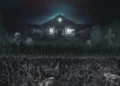


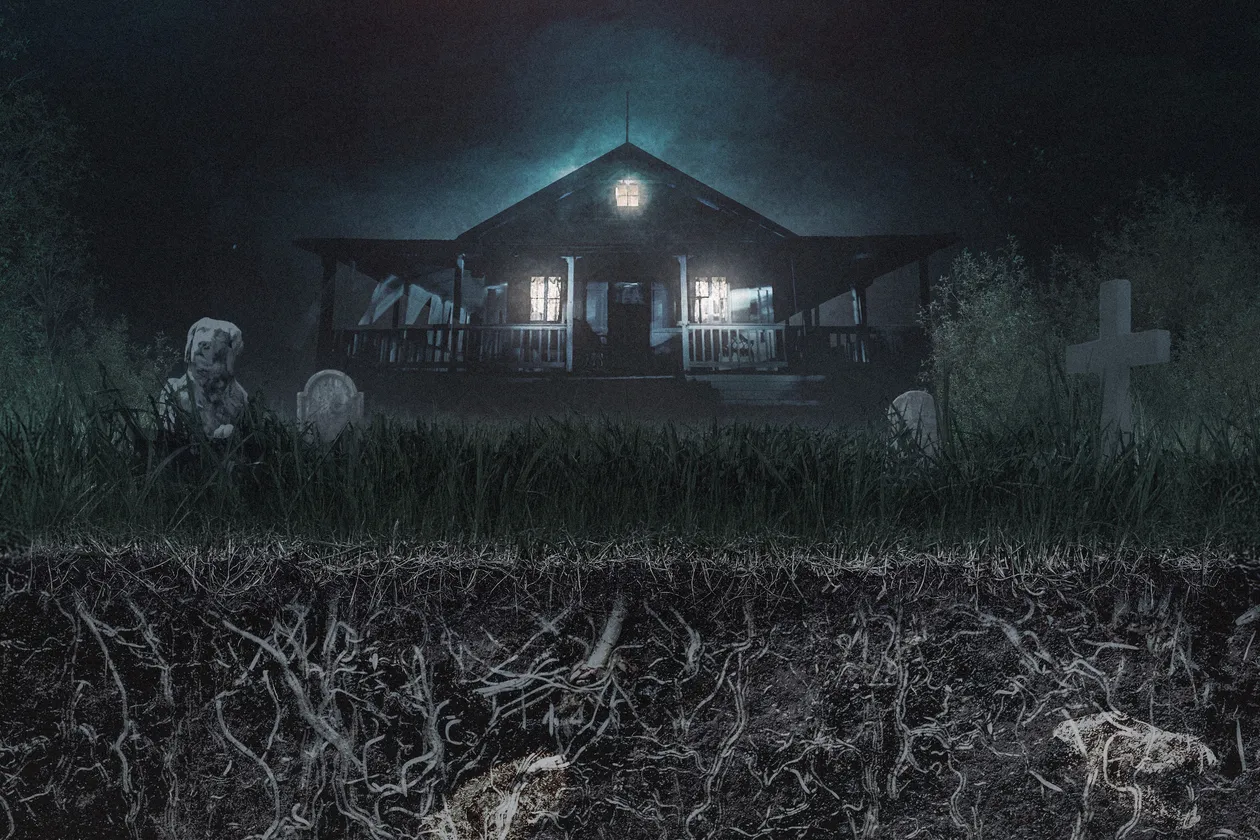
A Missing Landowner and a Haunted Lead
Dorothy Lou Thompson owned fourteen acres of Louisiana bayou where locals buried their beloved pets. When she tried to reclaim the land from a disputed sale, she vanished just days before her court hearing. Her body later surfaced in the Mississippi River, shackled and pronounced dead by asphyxia. No charges followed, and the case grew cold—until a witness claimed, twenty‑seven years later, that Thompson’s spirit had urged him to speak.
That eerie premise drives The Pet Cemetery Murders: A Ghost Story, a three‑part docuseries produced by Lightbox for HBO Documentary Films and premiered on HBO Max. The series does not rely on cheap scares; instead, it treats the supernatural claim as a pivotal piece of evidence that finally moved investigators toward a resolution.
From Property Dispute to Murder Investigation
The show’s opening episodes reconstruct the legal battle that preceded Thompson’s disappearance. Her mother, Grace, had originally turned the bayou parcel into a pet cemetery. Years later, a handyman who worked for both women pressed for ownership, allegedly coercing Thompson into a fraudulent deed. When she sued to overturn the transaction, she disappeared.
Investigators later linked the handyman—Brandon Nodier—to the crime. A grand jury indicted him in 2012 on second‑degree murder, but he ultimately pleaded guilty to manslaughter in 2014, receiving a ten‑year sentence. The prosecution’s case rested heavily on the testimony of the witness who said Dorothy’s ghost had pushed him forward.
Blending Procedure with Folklore
Director Philip Cairney frames the narrative like a classic police procedural: archival photos, interview clips, and a uniformed officer reviewing the file. Yet the title itself borrows from Stephen King’s tonal cadence, signalling to viewers that something beyond the ordinary lingers in the background. The series deliberately avoids depicting actual apparitions; instead, it examines why a person would attribute their willingness to testify to a spectral encounter.
Lightbox executives Simon and Jonathan Chinn, along with James Marsh, serve as executive producers. Their approach mirrors the respect shown in Cairney’s earlier work, Being Beethoven (BBC Four), where artistic rigor met deep subject matter. Here, the rigor lies in weighing a supernatural motive without mocking it or sensationalizing it.
What the Series Reveals Beyond the Verdict
While the legal outcome—Nodier’s manslaughter plea—provides a concrete endpoint, the final episode hints at a broader, darker tapestry. The press material suggests that solving Thompson’s murder uncovered additional killings and a legacy of violence woven into St. Bernard Parish’s history. The docuseries refrains from naming those other victims, leaving space for viewers to contemplate how unresolved trauma can echo across generations.
Why the Ghost Narrative Matters
The series’ supernatural framing is more than a marketing hook; it explains why a witness waited nearly three decades to come forward. By treating the ghost claim as a legitimate psychological catalyst, the documentary challenges viewers to consider how belief systems shape legal processes. It asks: can a story about spirits serve as a valid conduit for truth, even when the justice system relies on tangible evidence?
Final Verdict
The Pet Cemetery Murders: A Ghost Story succeeds as a true‑crie investigation that honors both the facts of Dorothy Lou Thompson’s case and the cultural lore that surrounds it. It delivers a concise, three‑chapter journey from a disputed land deed to a manslaughter conviction, all while probing the uneasy intersection of evidence, memory, and the unexplained.
For fans of methodical true‑crime storytelling with a hint of Southern gothic atmosphere, this HBO Max offering is a compelling watch—proving that sometimes, the most persuasive witness is the one who claims the dead themselves demanded to be heard.