

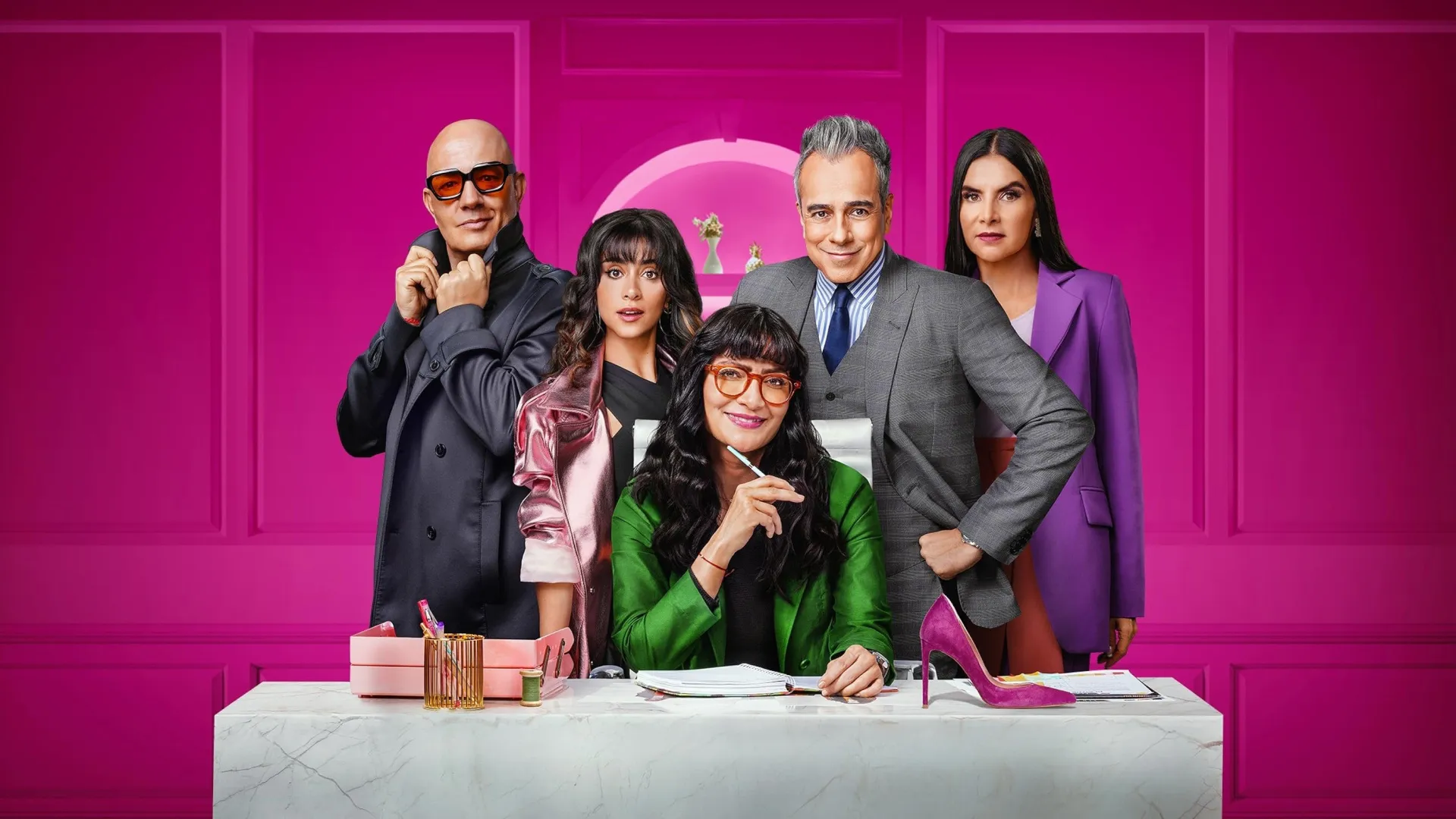
The third installment of Betty La Fea: The Story Continues arrived on Prime Video in August 2026, branded with the subtitle Uglier Than Ever. All ten episodes dropped simultaneously in more than 240 territories, marking a deliberate shift from the series’ traditional weekly cliff‑hanger rollout to a binge‑friendly release. Produced by Estudios RCN Televisión in partnership with Amazon MGM Studios and helmed by director Mauricio Cruz Fortunato, the season revisits the beloved world first crafted by Fernando Gaitán while steering the narrative toward fresh thematic territory. This review examines how the new chapter balances nostalgia with innovation, evaluates the performances, looks behind the camera, and delivers a final verdict for both longtime fans and newcomers.
Synopsis
Set a quarter‑century after the original Yo Soy Betty, La Fea debuted, the story follows Beatriz Pinzón Solano as she returns to Bogotá for a farewell fashion show hosted by her former mentor, Hugo Lombardi. The reunion reignites old feelings, especially with Armando Mendoza, while introducing a love‑triangle complication involving Michel Doinel, Betty’s French ex‑partner. As Betty confronts a plagiarism scandal that threatens the integrity of Ecomoda, she also pursues personal growth—starting therapy, purchasing her own apartment, and asserting her independence.
Parallel to Betty’s journey, her daughter Mila fights for a place at the company and navigates her own romantic entanglements. The season weaves corporate intrigue, familial duty, and romantic tension into a ten‑episode arc that challenges the protagonist to decide what kind of future she wants for herself, her family, and the fashion house she helped build.
Performances
Ana María Orozco slips back into Beatriz Pinzón Solano with the same earnest charm that made the character a cultural icon, yet she layers the role with a matured vulnerability that reflects twenty‑five years of life experience. Jorge Enrique Abello delivers a nuanced Armando Mendoza—still charismatic but visibly haunted by the passage of time and the fear of losing Betty again. Lorna Cepeda and Natalia Ramírez reprise their beloved supporting roles, providing comic relief and emotional anchors without overshadowing the leads.
Newcomer Julián Arango brings a fresh intensity to Michel Doinel, making the French suitor both alluring and unsettling. Diego Cadavid and Juanita Molina round out the ensemble, each contributing distinct flavors that enrich the workplace dynamics and familial subplots. Collectively, the cast balances reverence for the original series with the confidence to explore new emotional terrain.
Behind the Lens
Mauricio Cruz Fortunato’s direction emphasizes visual continuity while injecting a modern pacing suited to a binge format. Cinematography captures Bogotá’s vibrant streets and the sleek interiors of Ecomoda with a polished, slightly desaturated palette that mirrors the series’ thematic tension between past glamour and present realism. The production design team meticulously recreates the iconic office space, updating it with contemporary touches that signal evolution without erasing its nostalgic core.
Score composers Jose Fernández, Martha Lucía Miranda, and Juan Pablo Martínez blend motifs from the original soundtrack with fresh, electronic‑infused tracks, underscoring moments of introspection and corporate intrigue alike. The decision to release all episodes at once required tighter editing; the result is a leaner narrative that avoids filler while preserving the telenovela’s signature emotional beats.
Final Verdict
Betty La Fea: The Story Continues Season 3 succeeds in honoring its legacy while pushing the story into unexplored territory. The plagiarism scandal serves as a compelling catalyst that drives both corporate drama and character development, allowing Beatriz to demonstrate genuine independence rather than merely reacting to romantic entanglements. The love‑triangle, though familiar, feels purposeful—it tests whether Betty’s growth is authentic or merely a pause waiting for Armando’s redemption. Performances are uniformly strong, with Orozco and Abello delivering the emotional gravitas the series demands. Behind the camera, the creative team balances reverence for the source material with a contemporary sensibility that suits a global streaming audience.
For viewers who cherished the original Yo Soy Betty, La Fea, this season offers a satisfying blend of nostalgia and fresh stakes. For newcomers, the accessible plot and strong character work provide an entry point into a beloved Latin‑American television phenomenon. Overall, Season 3 earns a solid recommendation—especially for those who appreciate a mix of heartfelt romance, workplace intrigue, and thoughtful character evolution.
Also Read:
New Era, Same Charm: Prime Video Drops First Look Trailer for “Betty La Fea: Uglier Than Ever”