


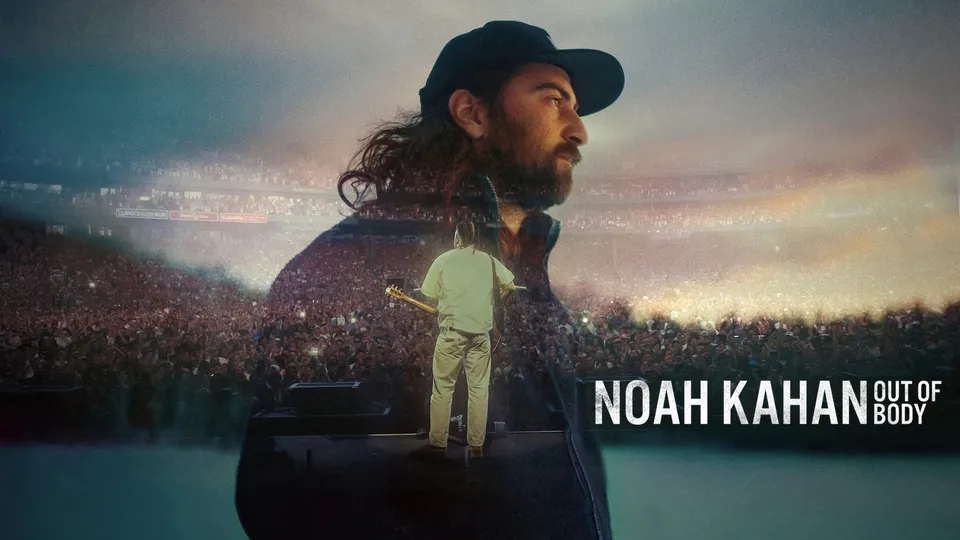
The transition from a quiet life in rural Vermont to the global spotlight is rarely a seamless journey. In the Netflix documentary Noah Kahan: Out of Body, directed by Nick Sweeney, viewers are invited into a ninety-four-minute exploration of this exact metamorphosis. While many music films serve as polished marketing tools designed to canonize an artist, this production takes a different path by examining the internal friction that accompanies sudden fame following the massive success of the album “Stick Season.”
An Unconventional Portrait of Achievement
Unlike standard documentaries that bask in the glow of sold-out arenas, Noah Kahan: Out of Body prioritizes the psychological weight of the spotlight. Nick Sweeney avoids the typical tropes of musical hagiography, choosing instead to focus on the anxieties that emerge when an artist is catapulted into the public consciousness overnight. The film provides a realistic and necessary look at the industry, though it occasionally struggles with its own narrative structure.
The Influence of Vermont Roots
A significant portion of the documentary reflects on the early life of Noah Kahan. Growing up in the isolated landscapes of Vermont clearly played a pivotal role in shaping his musical identity. The film captures the atmosphere of his hometown with an emotional depth that mirrors the somber yet hauntingly beautiful tones of his songwriting. These segments are particularly effective, as the environment feels like a character itself—one that is simultaneously grounding and disorienting for the young songwriter.
Navigating an Identity Crisis
The core of the film revolves around the conflict between where Noah Kahan originated and the pedestal he currently occupies. Despite his record-breaking success, he appears trapped in a state of professional uncertainty. The documentary highlights a profound identity crisis, showing a man who is celebrated by millions yet remains deeply unsure of his own standing. This transparency regarding the mental health struggles associated with fame, including depression, anxiety, and self-image issues, provides the most resonant moments of the film.
Family Dynamics and Creative Friction
The inclusion of the family of Noah Kahan adds a layer of authenticity to the narrative. Their presence serves to humanize the artist, offering a glimpse into the personal relationships that both support and complicate his creative process. By showing these intimate interactions, Nick Sweeney illustrates how personal history and family ties influence the lyrics of “Stick Season” and beyond. It is a refreshing look at the person behind the persona, emphasizing the importance of staying connected to one’s origins.
Visual Style and Structural Flaws
Visually, Noah Kahan: Out of Body maintains a traditional documentary aesthetic. It effectively utilizes concert footage to demonstrate the scale of his reach without becoming a mere concert film. However, the documentary is not without its faults. At times, the editing feels fragmented, and certain profound themes are introduced only to be glossed over too quickly. Some viewers might find the transitions between his past and present to be somewhat jarring or underdeveloped.
A Raw Capture of Uncertainty
Ultimately, Noah Kahan: Out of Body succeeds because of its commitment to honesty. Even when the filmmaking feels slightly disjointed, the genuine nature of Noah Kahan keeps the audience engaged. He does not claim to have all the answers to the pressures of his career, and the documentary embraces that lack of clarity. It is a work that captures a pivotal moment of transition, making it a compelling watch for those interested in the intersections of art, fame, and mental health.