

The third and final season of Netflix’s beloved comedy-drama arrives with a powerful emotional punch that fans have been eagerly anticipating. Survival of the Thickest has always been more than just a comedic series—it represents a celebration of self-love, body positivity, and the unique experiences of Black and queer joy. Now, as Mavis Beumont takes her final bow on our screens, the series delivers a conclusion that feels both earned and deeply satisfying.
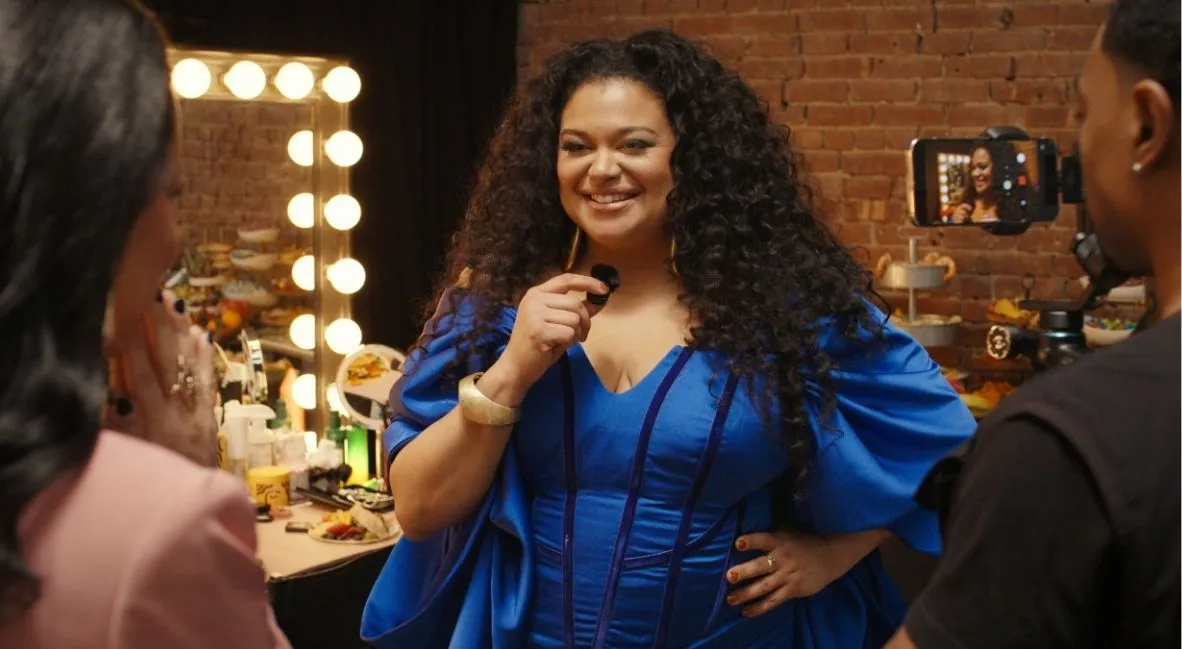
This season finds Mavis, portrayed by Michelle Buteau, navigating the complex intersection of personal dreams and real-life challenges. The fashion-forward protagonist who first captured audiences’ hearts as a stylist-turned-designer returns with bigger aspirations than ever before. As the series approaches its endpoint, it manages to tie up loose narrative threads while delivering some of the most emotionally charged storytelling the show has ever produced.
The Netflix original, developed by Michelle Buteau and Danielle Sanchez-Witzel, continues to build on its established foundation of humor, heart, and authentic representation. Season three proves that the series knows exactly what it has always done well while successfully evolving its emotional core.
Synopsis
Survival of the Thickest Season 3 follows Mavis Beumont as she balances her growing fashion career with deeply personal life decisions. Aspiring designer Mavis finds herself exploring fertility options while chasing her dreams in the competitive fashion industry. Her journey toward motherhood becomes a central theme, complicated by the challenges of building a sustainable brand.
Meanwhile, her relationship with Luca reaches new depths as the couple faces unexpected hardships together. Khalil, portrayed by Tone Bell, continues his emotional healing journey by attempting to reconnect with his incarcerated father, working through years of family trauma. The supporting cast, including Garcelle Beauvais as Natasha and Peppermint, return to round out the ensemble.
The season tackles difficult subjects including pregnancy loss and recovery, providing a nuanced portrayal of how such experiences affect both partners differently. The narrative also explores the darker aspects of the fashion industry, reminding viewers that success often comes with significant sacrifices.
Performances
The acting in Season 3 represents the series’ strongest work to date. Michelle Buteau delivers her most emotionally complex performance as Mavis, effortlessly balancing her character’s signature comedic timing with genuine vulnerability. Buteau’s ability to capture Mavis’ whimsical nature while navigating profound grief demonstrates her remarkable range as an performer.
Marouane Zotti’s transformation of Luca this season deserves particular recognition. What was previously a supporting love interest role evolves into a fully realized character arc. Zotti brings remarkable depth and vulnerability to Luca, making his journey equally as compelling as Mavis’. The character’s evolution from secondary interest to essential part of the main cast feels natural and well-deserved.
Tone Bell continues to solidify Khalil as one of the most complex characters in the series. His portrayal captures the raw emotional honesty of someone working through therapy and family reconciliation. Bell’s performance makes Khalil’s healing journey feel authentic and relatable.
The ensemble cast works together seamlessly, creating genuine chemistry between characters. The portrayal of grief and recovery feels respectful and lived-in, avoiding melodrama in favor of authentic emotional beats.
Behind the Lens
The creative team behind Survival of the Thickest deserves credit for their thoughtful approach to difficult subject matter. The writing handles pregnancy loss with sensitivity, taking time to explore both the dark moments of grief and the gradual path toward healing. This represents mature storytelling that treats viewers with respect.
The series continues its tradition of celebrating diverse representation through authentic storytelling. The examination of male friendships and their importance outside romantic relationships offers a refreshing perspective rarely seen in mainstream television. The bond that develops between Khalil and Luca provides some of the season’s most touching moments.
Executive producers Buteau, Sanchez-Witzel, and Amy Aniobi have crafted a final season that honors the series’ emotional core while allowing characters to grow in meaningful ways. The attention given to various characters ensures that audiences receive closure for multiple storylines.
The fashion industry storyline adds another layer of complexity, highlighting the predatory nature that creatives often face. This thematic choice grounds the series in real-world challenges while maintaining its aspirational tone.
Final Verdict
Survival of the Thickest Season 3 succeeds as a heartfelt farewell to a series that has always stood apart from typical streaming comedies. While not flawless, the final season delivers on emotional promises made throughout the series’ run. The combination of humor, heart, and authentic representation remains the show’s strongest asset.
The series goes out on a high note, providing closure for beloved characters while addressing difficult topics with grace. Mavis’ journey comes to a satisfying conclusion that reinforces the show’s core messages about self-love and community.
For viewers seeking a comedy-drama that balances entertainment with meaningful storytelling, this final season represents essential viewing. It proves that endings can be both bittersweet and fulfilling, leaving audiences with appreciation for the journey taken.
Also Read:
Michelle Buteau’s “Survival of the Thickest” Unveils Emotional Final Season Premiere