


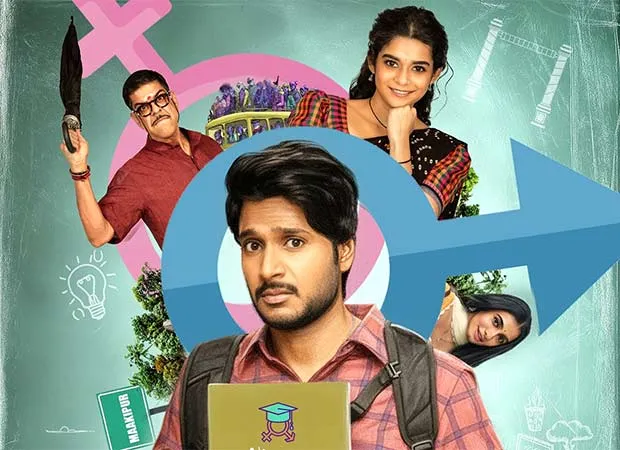
When a reluctant teacher is forced to confront the most taboo topic in a stubbornly traditional village, the stage is set for a blend of comedy and social critique. Super Subbu, the Telugu-language series created and directed by Mallik Ram, does exactly that, turning the awkward subject of sex education into a vehicle for both laughter and insight. This Super Subbu review examines how the show balances humor with a deeper commentary on familial repression, gender stereotypes, and the urgent need for open conversation about sexual health in rural India.
Synopsis
Subbu (Sundeep Kishan) is a young man still living under the shadow of a teenage mistake. His father, Kukkuteshwar (Murali Sharma), a pompous schoolmaster who delights in declaring “It is pure unadulterated nonsense, I say!” has refused to let Subbu grow up, treating him like a child well into adulthood. When Subbu loses his teaching job, he reluctantly accepts a position that no one else wants: teaching sex education to the residents of Maakipur, a village famed for its sky‑high fertility rate and disdain for modern contraception.
Armed with a modest syllabus—covering birth control, menstrual hygiene, condom use, and more—Subbu arrives in Maakipur, only to be met by hostile locals who have chased away his predecessor. With the help of his pragmatic deputy Kantha (Getup Srinu) and an ambitious aspiring actress, Swathi (Mithila Palkar), Subbu attempts to break through the thicket of misinformation and prudishness. The series follows his uphill battle, juxtaposed with the oppressive dynamics at home, a demanding superior (Raghu Babu), and a power struggle between the sarpanch and his disgruntled brother. As the episodes unfold, the show weaves jokes, occasional melodrama, and moments of sharp social observation, leaving many threads—particularly the root cause of the village’s attitudes—open for a potential second season.
Performances
Sundeep Kishan delivers a nuanced portrayal of a man whose confidence has been systematically eroded by paternal control. His Subbu moves from a timid, self‑doubting instructor to a figure who gradually earns respect, and Kishan captures this transformation with subtle facial expressions and a measured pace. The actor’s ability to convey vulnerability while also sparking laughter is a highlight of the series.
Mithila Palkar shines as Swathi, the village girl with dreams of stardom. Palkar balances the comedic timing required for her interactions with Subbu and the dramatic weight of being caught between a conservative family and her own ambitions. Her chemistry with Kishan adds a refreshing layer of youthful optimism to the otherwise tense narrative.
Murali Sharma is memorable as the stern, controlling father. His over‑the‑top diction and theatrical condemnation of “nonsense” provide much of the show’s humor, yet Sharma never lets the character slip into pure caricature. The underlying menace in his parenting style gives the series its emotional stakes.
Getup Srinu offers a solid foil as Kantha, the pragmatic aide whose street‑smart outlook counterbalances Subbu’s idealism. Srinu’s comedic timing and natural ease bring levity to the more didactic scenes, making the educational content feel less forced.
The supporting cast—including Raghu Babu as the ever‑demanding superior and the ensemble of village eccentricities—contributes to a vibrant, sometimes over‑crowded, but consistently entertaining atmosphere.
Behind the Lens
Mallik Ram, both creator and director, demonstrates a steady hand in blending slapstick with satire. The writing team, which includes multiple contributors, maintains a consistent tone across the seven episodes, delivering a steady stream of witty one‑liners and sharp observations about rural conservatism. The decision to keep the narrative focused on Subbu’s personal journey prevents the series from becoming a mere educational PSA, although the occasional over‑loading of subplots—particularly a alcohol‑related storyline—feels like overkill.
Cinematography captures the rustic charm of the village with warm hues, while the editing keeps the pacing brisk, ensuring that the humor does not stall the story’s progression. The series also benefits from a judicious use of background music that underscores emotional beats without overtaking the dialogue.
One notable point of criticism is the cliff‑hanger ending, which seems more of a narrative device to lure viewers into a possible second season rather than a satisfying conclusion. The central theme of neglected sex education, which is hinted to stem from poor parenting and entrenched patriarchal attitudes, is left largely unexplored, suggesting that the creators are saving the deeper commentary for a future installment.
Final Verdict
Super Subbu succeeds in delivering a fresh, funny, and occasionally poignant take on a topic that is rarely tackled with such openness in Indian television. The series’ greatest strength lies in its ability to use humor as a teaching tool, making uncomfortable truths about sexual health accessible without resorting to didactic lectures. While the plot sometimes suffers from an excess of side stories and the finale feels artificially suspenseful, the core performances and the underlying social commentary keep the viewer engaged.
For fans of slice‑of‑life dramas with a comedic edge, Super Subbu is a worthwhile watch. It manages to entertain, provoke thought, and hint at larger conversations about gender, family, and education—all while keeping the laughs coming.
Bottom line: A promising debut that uses laughter to illuminate the importance of sex education; definitely worth a binge on Netflix.