

In the crowded world of horror-thrillers, Strung emerges as a puzzling spectacle, leaving audiences wondering about its intentions. From a disjointed script to questionable direction, Peacock’s latest offering appears to be a jumbled amalgamation of clichés and confusion. This review delves into the film’s myriad issues, including its lackluster performances and ambiguous identity.
Synopsis
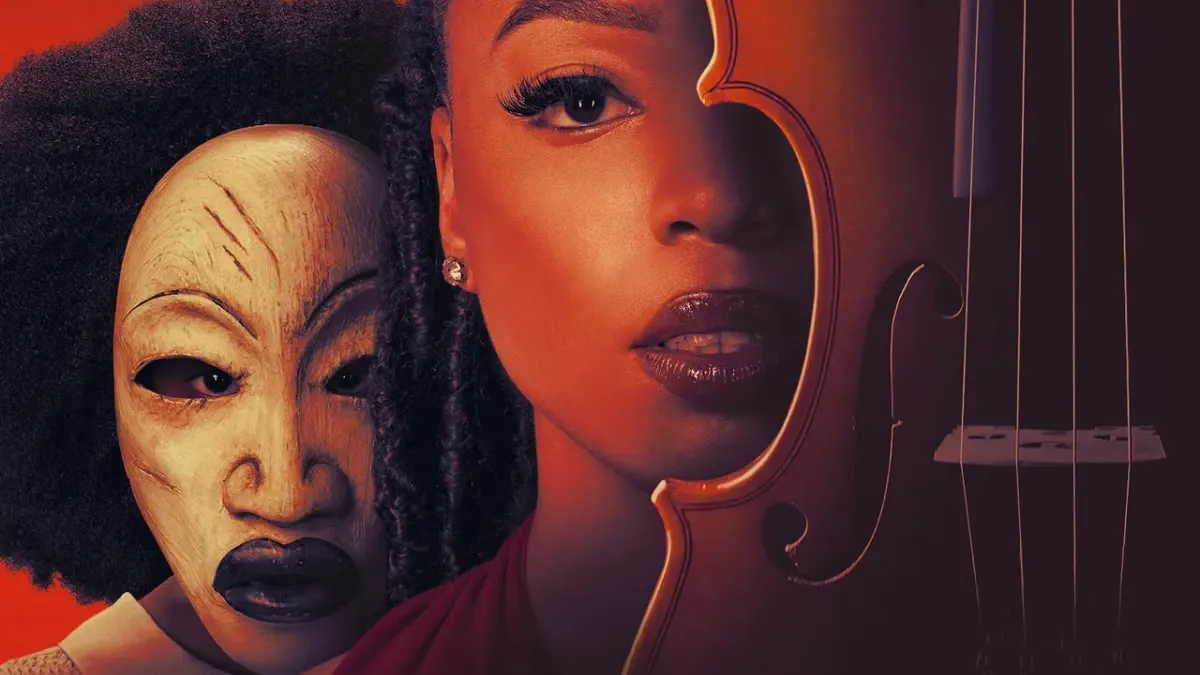
Strung follows Laila, portrayed by Chloe Bailey, a gifted violinist grappling with a traumatic event from her past. Her life takes a dramatic turn when she accepts a position as a music tutor, leading her into the orbit of an enigmatic and affluent family. As she navigates this new relationship, Laila quickly discovers that their dark secrets may endanger her life and mental state. While the premise holds some promise, the execution falters due to reliance on overused horror conventions.
Performances
Chloe Bailey’s portrayal of Laila lacks the depth and vulnerability necessary for the role. Her performance often feels more suited for a light-hearted Disney Channel movie than a gripping psychological thriller. Instead of showcasing fear and turmoil, her reactions come off as bemusement, resulting in an unintentionally comedic effect for viewers.
The film’s supporting cast, featuring talents such as Anna Diop and Coco Jones, is unfortunately underutilized. Despite their abilities, the screenplay relegates them to mere background roles, stripping them of the agency that could have elevated the narrative. Lynn Whitfield attempts to bring a chilling matriarch presence, but the absurdity of the dialogue consistently undermines her efforts, leaving the audience yearning for more substantial character development.
Behind the Lens
Directed by Malcolm D. Lee and scripted by Alan McElroy, Strung suffers from a conflicted vision. The film oscillates between aiming for a sophisticated thriller and descending into melodrama, resulting in a confusing tone that fails to establish a clear identity. This tonal inconsistency not only alienates viewers but also leaves the capable cast adrift in a narrative devoid of cohesion.
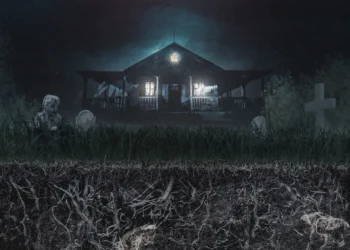
The production’s lavish settings and familiar horror elements—such as masked children and hidden menacing secrets—come across as tired clichés rather than fresh storytelling. This reliance on recycled tropes detracts from any potential tension the film might have generated, rendering it more of a parody than a serious attempt at the genre.
Final Verdict
Ultimately, Strung stumbles through a convoluted narrative filled with perplexing choices and uninspired performances. Clocking in at nearly two hours, the film feels unnecessarily drawn out, with drawn-out reveals that test the audience’s patience. It aspires to offer an engaging experience but instead descends into a mix of misguided ambition and superficial scares.
While it may provide some entertainment value when viewed with friends in a casual setting, the film’s lack of substance leaves many questions unanswered. If Strung did indeed set out to captivate audiences with low-brow horror, it unfortunately misses its target, resulting in a disjointed, bloated narrative that fails to deliver meaningful thrills.