


When a film pitches a society where premarital intimacy is banned except for a single, government‑sanctioned night each year, the audience expects biting satire or outright chaos. One Night Only delivers a premise that feels like a mash‑up of The Purge’s dystopian rigor and Shirley Jackson’s “The Lottery” absurdity, yet it quickly pivots toward a light‑hearted romantic comedy. Directed by Will Gluck, the film tries to balance social commentary with sweet, star‑driven charm, resulting in the end product that is intriguing in concept but uneven in execution.
Synopsis
In a near‑future United States, a law permits citizens to engage in premarital sex only during a twelve‑hour window once a year. The story follows Owen, a pizzeria owner whose engagement hits a snag when his longtime girlfriend reveals plans to spend the night with someone else, and Allie, a hesitant singer coaxed by friends to venture out. Their paths cross on the sanctioned night, leading to a series of comic misadventures across New York City as they navigate condom shortages, crowded clubs, and the lingering question of whether genuine romance can survive a night designed for fleeting flings.
Performances
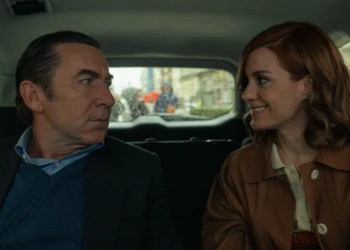
Monica Barbaro shines as Allie, infusing the character with a blend of vulnerability and wit that elevates the material beyond its sitcom‑ish roots. Her chemistry with Callum Turner—who plays Owen with an affable, boy‑next‑door sincerity—forms the film’s emotional core. Turner, fresh from his role in Eternity, proves capable of carrying a romantic lead without relying on his rumored Bond‑type allure.
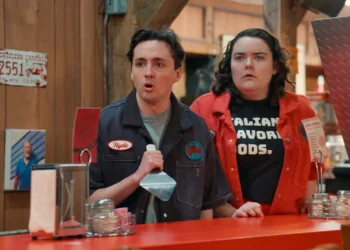
Supporting turns from Sydney Sweeney, Glen Powell, and Pete Davidson add playful cameos that reinforce the movie’s self‑aware stance on Hollywood’s obsession with onscreen sex appeal. While none of the performances break new ground, they collectively keep the watch enjoyable and prevent the premise from feeling wholly gimmicky.
Behind the Lens
Will Gluck’s direction leans heavily into the rom‑com playbook, opting for bright cityscapes, breezy pacing, and a soundtrack that favors pop‑friendly beats over edgy tension. The script, credited to Travis Braun, attempts a double‑layered parody: first, a swipe‑right culture where genuine connection feels scarce; second, a nod to conservative attempts at legislating private lives. However, the film often retreats from deeper satire, instead leaning on familiar romantic beats—such as a climactic moment atop a New York landmark—that feel more nostalgic than innovative.
Product placements (Durex, K‑Y) are conspicuous, underscoring the movie’s commercial tilt rather than subversive intent. Cinematography captures the city’s nocturnal energy, yet the visual style rarely pushes beyond the standard glossy studio aesthetic, leaving the dystopian premise under‑explored.
Final Verdict
One Night Only succeeds as a charming showcase for its two leads, offering enough humor and heart to keep viewers engaged for its 102‑minute runtime. However, it falls short of fully exploiting its provocative setup, opting instead for a safe, moderately tame romantic comedy that feels more like a meta‑commentary on star power than a daring satire of legislated intimacy.
Fans of light‑hearted rom‑coms will appreciate the chemistry between Barbaro and Turner, while those hoping for a sharp, Purge‑style critique may leave wanting more bite. In short, the film is pleasant but not pivotal—a pleasant night out, but not the unforgettable one its premise promises.