

Synopsis and Background
Room to Move is a 2025 documentary directed by Alexander Hammer that chronicles the life of dancer, choreographer, and educator Jenn Freeman. The film catches Freeman at a pivotal moment—shortly after receiving an autism spectrum disorder diagnosis at age 33. The narrative unfolds through a mix of childhood home movies, rehearsal footage, candid interviews, and behind‑the‑scenes looks at the creation of her solo performance Is It Thursday Yet? which premiered at La Jolla Playhouse. The documentary had its world debut at the Tribeca Film Festival in 2025 and landed on Netflix on May 27, 2026, where it remains available as of May 30, 2026.
Artistic Vision and Form
Hammer’s approach treats the body as more than a visual element—Freeman’s movement becomes a language of memory, defense, and self‑communication. The camera does not merely capture dance; it watches each gesture, each repeated spin, each subtle tremor as a vessel of meaning. By weaving together therapy recordings, home videos, and stage rehearsals, the film mirrors the way neurodivergent experiences often layer past and present.
The editing rhythm mirrors a dancer’s breath: the story moves fluidly between intimate therapy sessions, chaotic public spaces, and the quiet stillness of a rehearsal room. Scenes of sensory overload—overly bright storefronts, a cramped cupboard serving as a refuge—are rendered with visual intensity, while a bathtub sequence becomes a grounding ritual, with words linked to routine appearing on screen. This sensory choreography transforms internal pressure into cinematic texture, avoiding heavy‑handed exposition.
Freeman’s Story: Diagnosis, Memory, and Movement
Freeman’s diagnosis is presented not as a neat resolution but as a lens that reframes a lifetime of experiences. Growing up, she was celebrated for her love of dance; later, those same patterns are reinterpreted as stimming disguised as movement. The documentary refuses to smooth over this nuance, allowing her artistry and neurodivergence to coexist as a lived reality rather than a tidy origin story.
Her personality shines through contradictions: she is funny, guarded, exhausted, sharp, and deeply devoted to her craft, often within a single scene. The film acknowledges that naming an experience can amplify old memories, making the past feel louder and more present. This emotional honesty gives the documentary its gravitas without leaning into pity.
Editing as a Dance Mechanic
Hammer’s editing philosophy treats repetition as narrative engine. Spinning motions, recurring gestures, and rehearsal loops function like the recurring actions in a video game—each iteration deepens emotional resonance. The viewer experiences a rhythm that feels both organic and carefully constructed, echoing the way games like Celeste or Journey use repeated actions to build feeling.
By mirroring Freeman’s nervous system, the documentary refuses a conventional talking‑head structure. Instead, it shifts between childhood footage, therapy audio, rehearsal rooms, theatrical images, interview moments, and stark close‑ups of hands and muscles. The result is a film that breathes, stutters, repeats, and tightens—just as a dancer might.
Collaborators and Performance
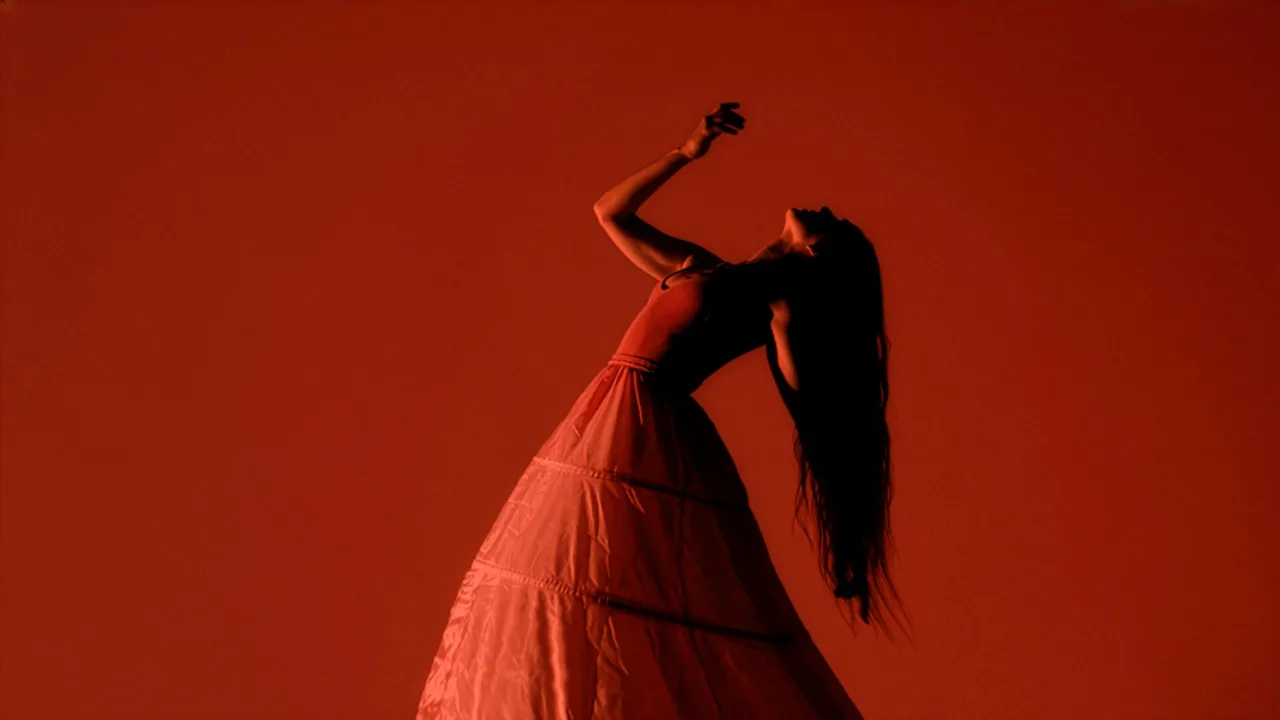
The preparation of Is It Thursday Yet? serves as the documentary’s spine. Freeman’s solo show becomes a container for everything the film has gathered: childhood clips, family history, sensory overwhelm, pain, humor, and the desire to be understood without oversimplification. The performance is not portrayed as a magical cure; it is hard, demanding work that asks the body for more than it may be ready to give.
Sonya Tayeh, Freeman’s collaborator and close friend, adds friction and warmth to the process. Together they shape emotional chaos into a stage piece without erasing its rough edges. Their partnership mimics a high‑stakes co‑op game, where trust is essential because failure is always near. Arguments, tears, pressure, and care all appear on screen, reinforcing the documentary’s commitment to messy authenticity.
Why This Documentary Matters
Room to Move distinguishes itself by refusing to turn autism into a tragedy or Freeman into a saintly figure of endurance. Instead, it presents a working artist with needs, limits, contradictions, and a dry sense of humor. The film makes space for shutdowns, panic, chronic pain, friendship, love, artistic ambition, and the relief of being seen accurately.
The documentary shares DNA with celebrated movement‑focused works like Pina and Mr. Gaga, yet it pushes into a far more personal register. While those films explore movement as artistic philosophy, Room to Move examines it as survival—a point where physical discipline becomes a means of processing a life still being understood.
Final Thought
By the time Freeman steps onto the stage, the performance carries the weight of every preceding scene. The film’s emotional pull stems from the alignment between subject and style: Room to Move moves because Freeman moves, pauses because she needs space, repeats because repetition can soothe and reveal. Alexander Hammer has created a tender, formally alive documentary that proves the body has been speaking the truth all along.