

When a beloved video game leaps to the silver screen, audiences brace for either a faithful tribute or a hollow cash‑grab. Zach Cregger’s take on the Resident Evil franchise attempts something rarer: it treats the source material not as a checklist of icons but as a grammar of suspense. By anchoring the chaos in an everyman courier who is hilariously out of his depth, the film invites viewers to feel the same panic that rises when a controller slips from sweaty palms. This review unpacks how the movie balances jokes, gore, and genuine tension while staying true to the uneasy thrill of playing badly.
Synopsis
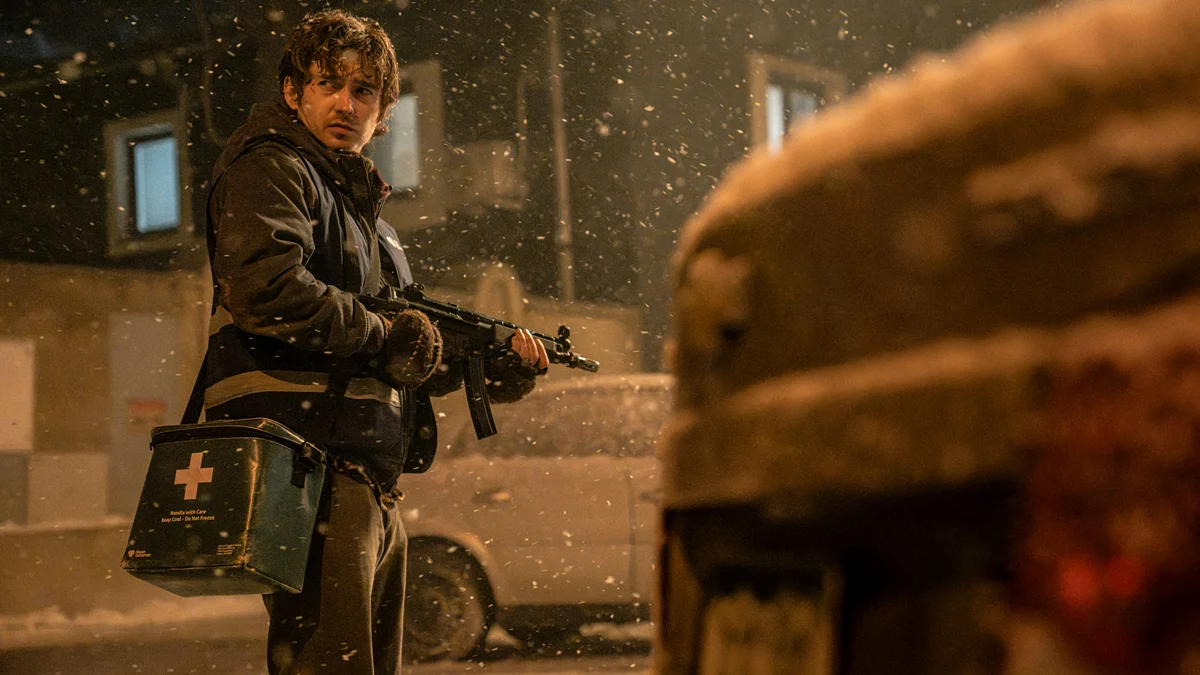
Bryan, a hapless medical courier, learns his girlfriend is pregnant and promptly volunteers for a high‑pay delivery to Raccoon City General Hospital. What begins as a routine shift spirals into a night of locked doors, dwindling ammo, and grotesque creatures lurking in the shadows. As he scrambles to complete his mission, Bryan’s clumsy instincts and relentless bad luck turn every corridor into a test of nerve, forcing him to confront both external monsters and the personal fear he tried to outrun.
Performances
Austin Abrams carries the film with a wiry, anxious energy that makes incompetence endearing rather than aggravating. His Bryan mutters, overcommits, retreats, and tries again, embodying the half‑second delay between fear and flawed decision‑making that many gamers recognize. Paul Walter Hauser appears sporadically as a terse guide, delivering exposition with the dry precision of a tutorial pop‑up, while Kali Reis’ Maxine hints at corporate menace before fading—an intentional nod to the fleeting NPC encounters of the source material. Abrams’ ability to keep the audience laughing at his missteps while still rooting for his survival is the film’s strongest performance asset.
Behind the Lens
Cinematographer Dariusz Wolski treats each new location like a player rotating the camera before a move, using slow pans that invite the audience to read the environment for threats and resources. First‑person framing places weapons dead‑center, reinforcing the game‑like sensation of aiming down sights. Editor Joe Murphy keeps the rhythm tight, letting scares land without sacrificing the comedic beats that undercut the horror.
The sound design emphasizes creaking floorboards and the metallic click of a loaded chamber, turning mundane details into tension‑builders. Visual effects lean into the absurd—bodies bursting in over‑the‑top gore that flirts with slapstick—yet the film never lets the humor completely deflate the dread; instead, it vents pressure, allowing the next quiet corridor to feel just as threatening.
Final Verdict
Resident Evil succeeds where many adaptations falter by trusting the mechanics of survival horror as narrative rather than mere set dressing. Bryan’s relatable ineptitude transforms ammunition counts, locked doors, and grotesque set pieces into a language of vulnerability and comedy. While supporting characters occasionally feel like functional waypoints and the final act loses a bit of the emotional momentum built earlier, the film’s core remains intact: it captures the humiliating panic of playing badly, turning that sensation into a surprisingly fresh horror‑comedy experience. For fans of the games and newcomers alike, Zach Cregger’s Resident Evil offers a clever, self‑aware reminder that sometimes the most terrifying monster is the one we see fumbling with the controller in our own hands.