

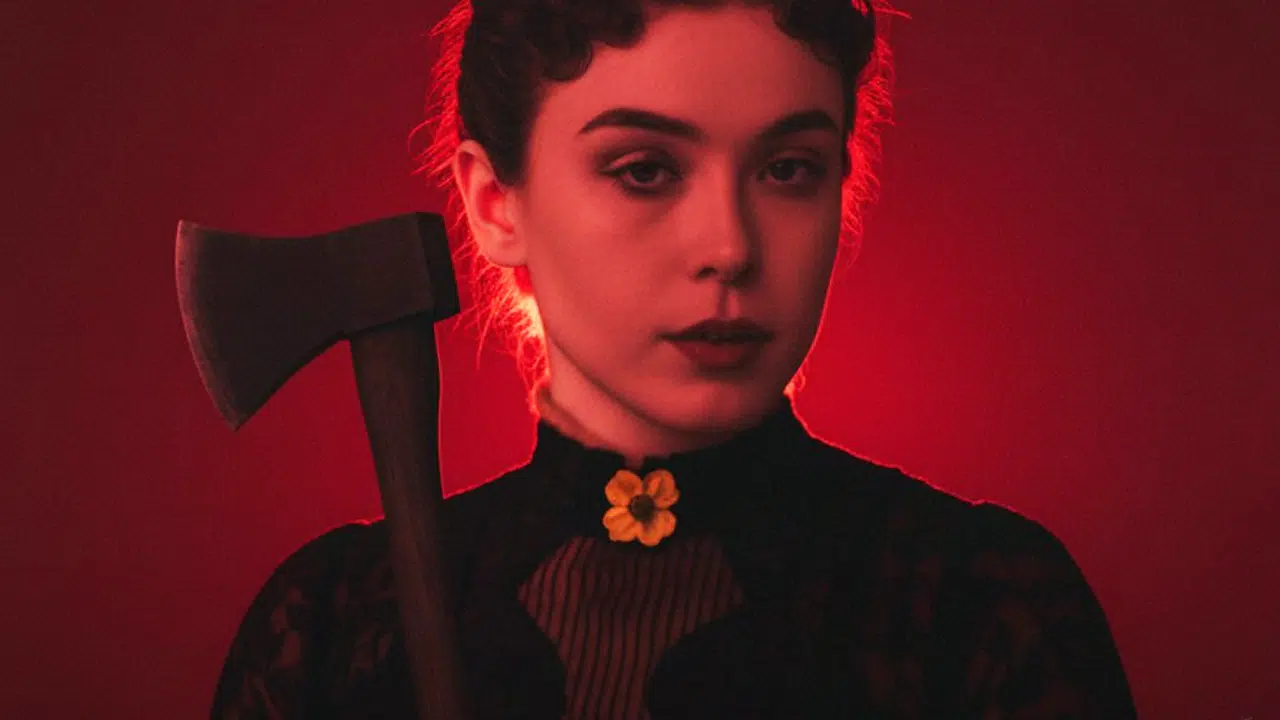
Ryan Murphy’s Monster franchise continues its habit of turning notorious killers into stylised television events. The newest chapter, Monster: The Lizzie Borden Story, lands on Netflix with a promise of blood‑soaked drama and a fresh look at one of America’s most puzzling axe murders. While the series boasts striking performances and lavish period design, it also drifts far from the historical record, trading factual depth for sensational melodrama. This review unpacks what works, what falls flat, and whether the show lives up to the anthology’s original ambition.
Synopsis
Set in turn‑of‑the‑century Massachusetts, the series follows a young Lizzie Borden as she navigates a suffocating household dominated by a domineering stepmother and a work‑obsessed father. Tensions rise, loyalties shift, and a violent act shatters the family. After the murders, the narrative follows Lizzie’s trial, acquittal, and later involvement in early suffrage movements, all while hinting at a clandestine bond with the family’s Irish maid. The show deliberately blurs the line between fact and fiction, offering a provocative “what‑if” take rather than a strict recounting.
Performances
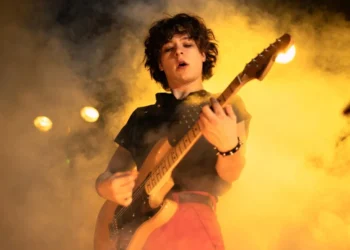
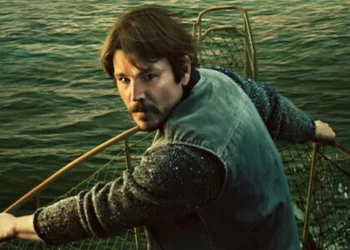
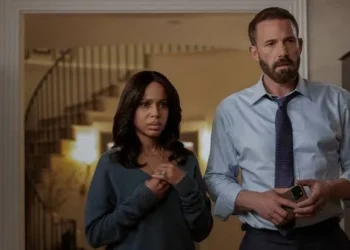
Ella Beatty anchors the title role with a compelling mix of innocence and concealed calculation, making Lizzie both sympathetic and unsettling. Vicky Krieps delivers a nuanced turn as Bridget Sullivan, the maid whose influence becomes a catalyst for Lizzie’s darker impulses. Rebecca Hall steals every scene she inhabits as the venomous stepmother Abby, her portrayal verging on campy villainy yet undeniably magnetic. Sarah Paulson appears in a cameo as Aileen Wuornos, drawing a tenuous parallel between two infamous female killers; while the crossover feels forced, Paulson’s commitment earns praise. Charlie Hunnam offers a restrained performance as the beleaguered father Andrew, allowing the female leads to dominate the emotional landscape.
Behind the Lens
Produced by Ryan Murphy and longtime collaborator Ian Brennan, the series spans eight episodes directed chiefly by Max Winkler, with Sarah Adina Smith handling the remainder. The production design shines: costumes meticulously recreate the Gilded Age, while later‑era sequences (including a puzzling 1990s flashback and a brief dip into the Elizabeth Bathory myth) showcase the team’s versatility. Blood effects are abundant, often verging on gratuitous, and the soundtrack swings from Kate Bush’s ethereal “Hounds of Love” to an overtly literal cover of The Verve’s “Bitter Sweet Symphony.” These stylistic choices reinforce the show’s intention to feel more like a gothic horror romp than a sober true‑crime documentary.
Final Verdict
Monster: The Lizzie Borden Story is a visually arresting but narratively uneven entry in Murphy’s anthology. The strong performances—particularly from Hall and Beatty—elevate the material, yet the series’ relentless focus on sexuality, speculative relationships, and shock value undermines its claim to be a true‑crime exploration. Fans of Murphy’s flamboyant style may enjoy the over‑the‑top theatrics, but viewers seeking a measured examination of Lizzie Borden’s case will likely find the show more style than substance. Ultimately, it stands as the weakest instalment of Monster to date, a missed opportunity to balance entertainment with historical respect.
Also Read:
“Monster: The Lizzie Borden Story” – First Teaser Unveils a Haunting Preview
“MONSTER — The Lizzie Borden Story” hits Netflix September 2026
“Monster: The Ed Gein Story” to premiere on Netflix on Oct.3