

Paramount+ drops the second instalment of MobLand on September 18, and the Harrigan clan is once again thrust into a vortex of blood‑soaked power plays. The series, birthed under the kinetic eye of Guy Ritchie, leans heavily into gun‑fueled spectacle, yet it also attempts to map the fractures of a family whose empire is beginning to crumble. While the show delivers high‑octane set‑pieces and a roster of heavyweight talent, it often feels like a glittering façade that masks a thinner narrative core.
Synopsis
Following the chaotic climax of season 1, the Harrigans find themselves besieged by a Turkish syndicate that bargains with rival family members, a ruthless newcomer named Charlie, and a shadowy “boss of bosses” who manipulates from the sidelines. Internal rifts intensify as Conrad and Maeve clash with their son Kevin, while Harry, the consigliere‑type enforcer, tries to hold the crumbling house together. Amid betrayals, kidnappings and explosive confrontations, the family’s survival hangs by a thread.
Performances
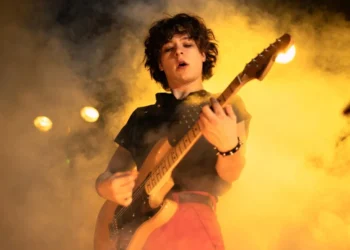
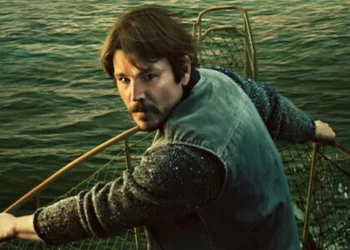
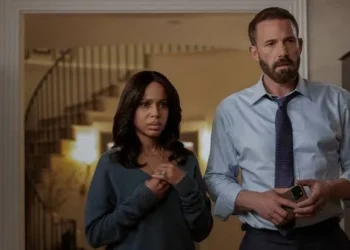
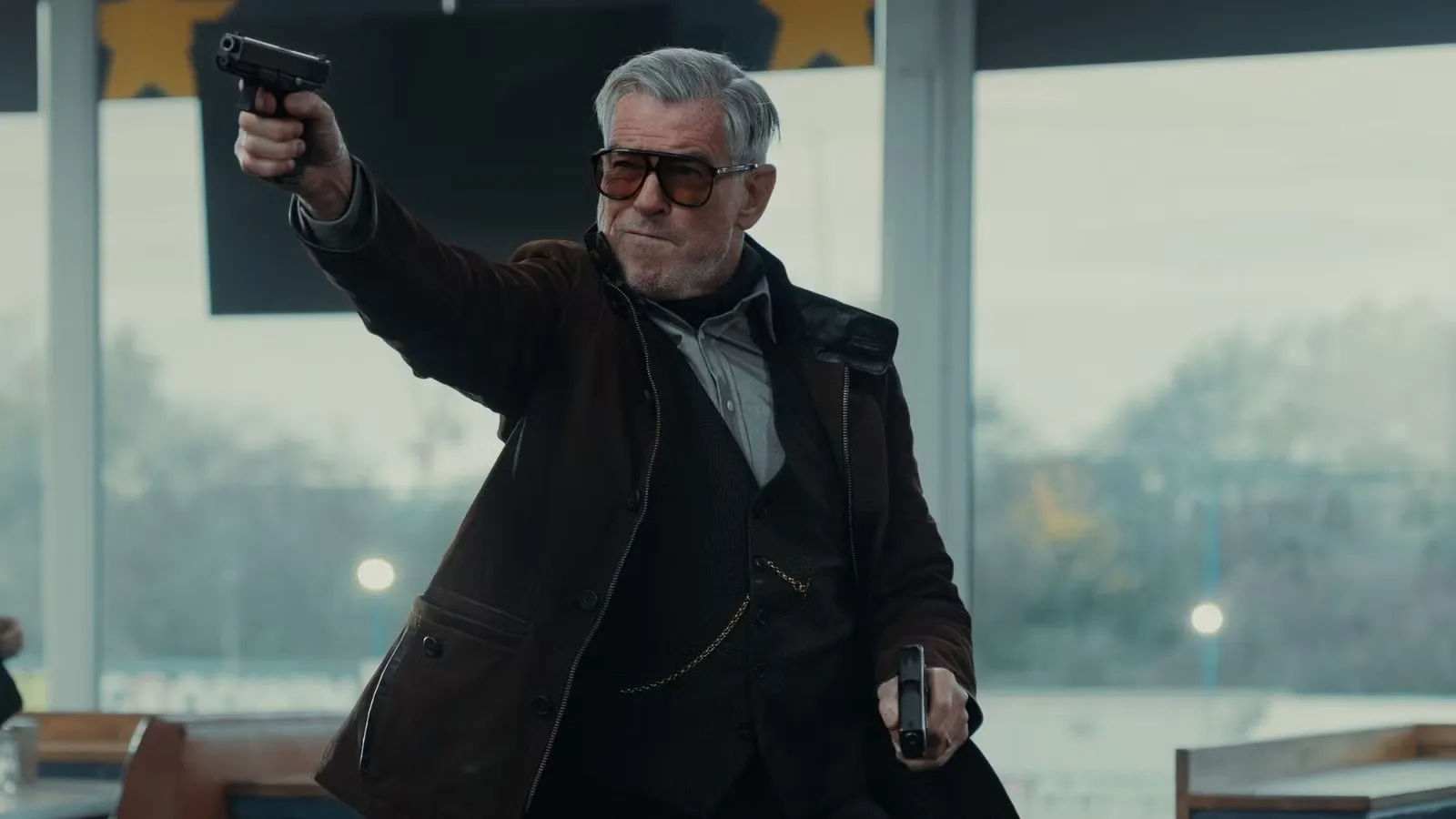
The ensemble remains the series’ strongest asset. Tom Hardy’s Harry is a grounded, weary anchor amidst the madness, delivering a performance that balances menace with a lingering sense of duty. Pierce Brosnan and Helen Mirren, as patriarch Conrad and matriarch Maeve, bring a regal swagger to their feud, often stealing scenes with their sharp, sardonic exchanges. Paddy Considine’s Kevin adds volatile energy, while Toby Jones’ slippery operative Colin Tattersall provides a chilling, calculated menace. Johnny Flynn’s Charlie injects fresh brutality, and Janet McTeer’s Kat McAllister looms as a formidable, almost mythic adversary. Supporting players—Joanne Froggatt, Mandeep Dhillon, and Anson Boon—populate the narrative with enough variety to keep the viewer engaged, even when the plot leans toward excess.
Behind the Lens
Guy Ritchie’s directorial fingerprints are evident in the opening episodes, with rapid cuts, kinetic camera work, and a stylised colour palette that evokes his classic crime‑film aesthetic. The production design captures the gritty underbelly of England’s criminal world, juxtaposing sleek boardrooms with grimy back‑alley hideouts. The choreography of shoot‑outs and explosions feels polished, and the sound design amplifies each gun‑blast to visceral effect. However, the relentless visual assault sometimes overshadows character development, leaving moments that could have offered deeper introspection in favour of louder set‑pieces.
Final Verdict
MobLand Season 2 is undeniably entertaining—a polished, adrenaline‑pumped romp through the world of British organised crime. The cast’s performances elevate material that otherwise leans heavily on violence and spectacle. For viewers seeking nonstop action and a glossy glimpse of a criminal dynasty in turmoil, the series delivers. Yet, those hoping for a richer, more nuanced family saga may find the show’s focus on explosions and betrayals a missed opportunity. In short, the series shines when it leans on its star power and stylistic flair, but it falters when it sacrifices depth for dazzle.