

Prime Video’s flagship series Reacher returns for a fourth outing that once promised bigger, louder, and more brash storytelling. The show built its reputation on bone‑crunching set‑pieces, a stoic hero who seemed to relish every punch, and a supporting cast that added colour to Jack Reacher’s lone‑wolf wanderlust. Season 4, however, arrives with a noticeably softer edge. While the violence remains unflinching, the humour, swagger, and narrative surprise that defined earlier instalments have been dialled back. This review unpacks what works, what falters, and whether the latest chapter still satisfies fans of Lee Child’s relentless drifter.
Synopsis
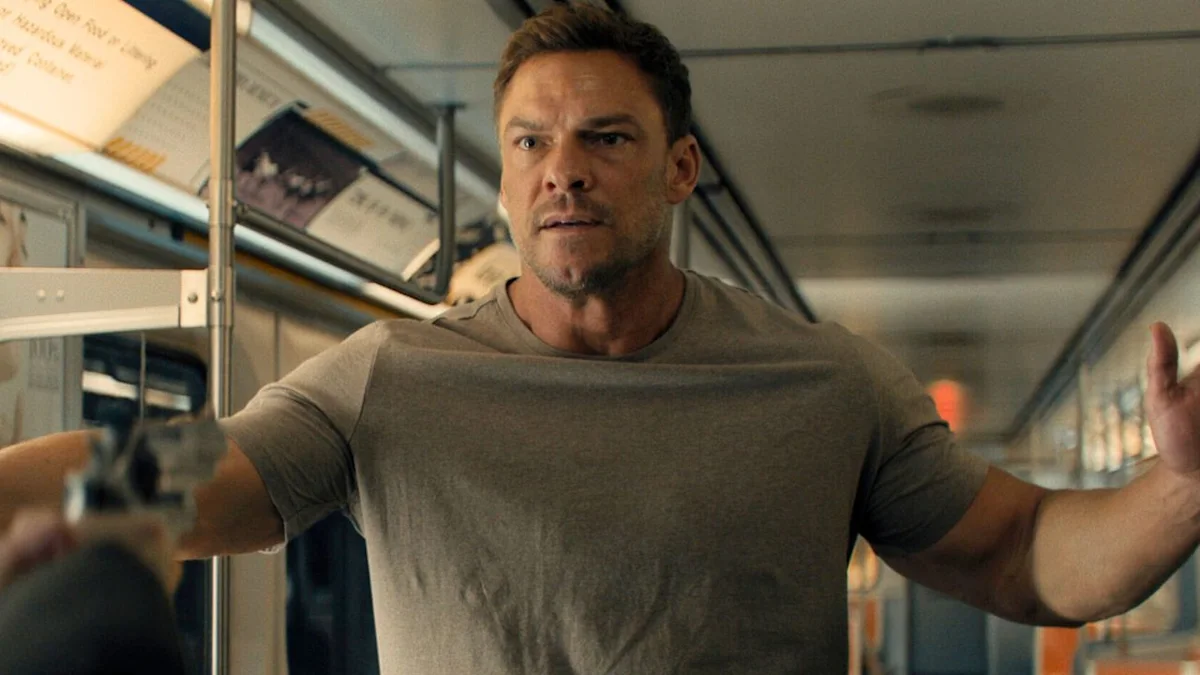
Reacher (Alan Ritchson) drifts into Philadelphia after a craving for a cheesesteak and a subway ride leads him to a distraught woman holding a gun. Her sudden suicide drags him into a web of police inquiries, FBI interest, and a missing‑person case tied to the Pentagon. As he follows clues through political corridors and corporate boardrooms, Reacher discovers that everyone believes he possesses a mysterious drive—though all he carries is a toothbrush. The season pits the former military policeman against shadowy figures who stop at nothing to protect their secrets, forcing him to rely on his trademark blend of brute force and quiet intuition.
Performances
Alan Ritchson once again embodies the physicality and taciturn resolve of Jack Reacher, delivering the trademark jaw‑clenching stare and measured cadence that fans expect. His chemistry with the new Philadelphia detectives—Sydelle Noel’s Green and Shaun Docherty’s Corrigan—feels functional but lacks the spark that made earlier pairings memorable. Barry’s Christopher Rodriguez‑Marquette, as the troubled brother Jacob, offers a earnest yet one‑note portrayal that never quite evolves beyond a plot device. Veteran Kevin Weisman, known for comic relief in Alias, is relegated to a cliché‑ridden role that fails to provide the levy the series traditionally needed. Overall, the cast performs competently, but the material does not give them enough room to shine.
Behind the Lens
Showrunner Nick Santora and the writing team appear to have leaned heavily on exposition, opting for lengthy dialogue over the series’ trademark visual storytelling. The adaptation of Lee Child’s Gone Tomorrow novel feels constrained; the plot leans on familiar conspiracy tropes rather than the fresh, propulsive mysteries that defined seasons one through three.
Director‑wise, the action sequences retain their gritty intensity—particularly an abandoned‑kitchen shootout and a finale knife fight that rank among the series’ most brutal. However, the cinematography leans toward a muted palette, reinforcing the season’s sombre tone at the expense of the vibrant, kinetic energy that once made each episode feel like an event. The score, while serviceable, lacks the memorable motifs that previously underscored Reacher’s internal monologue.
Final Verdict
Reacher Season 4 remains a solid showcase of relentless violence and Alan Ritchson’s commanding presence, yet it misses the bold, brash, and fun spirit that turned earlier instalments into appointment viewing. The reduction in humour, the reliance on exposition, and under‑utilised supporting characters dilute the series’ signature charm. Still, the core action set‑pieces deliver the visceral thrill that hardcore fans crave, and the occasional flash of dark humour—most notably a billionaire’s moral reckoning—reminds viewers why the show endures. If you tune in for the punches and the grit, Season 4 will satisfy; if you miss the witty banter and surprising twists, you may find yourself wishing for a return to the series’ former swagger.