

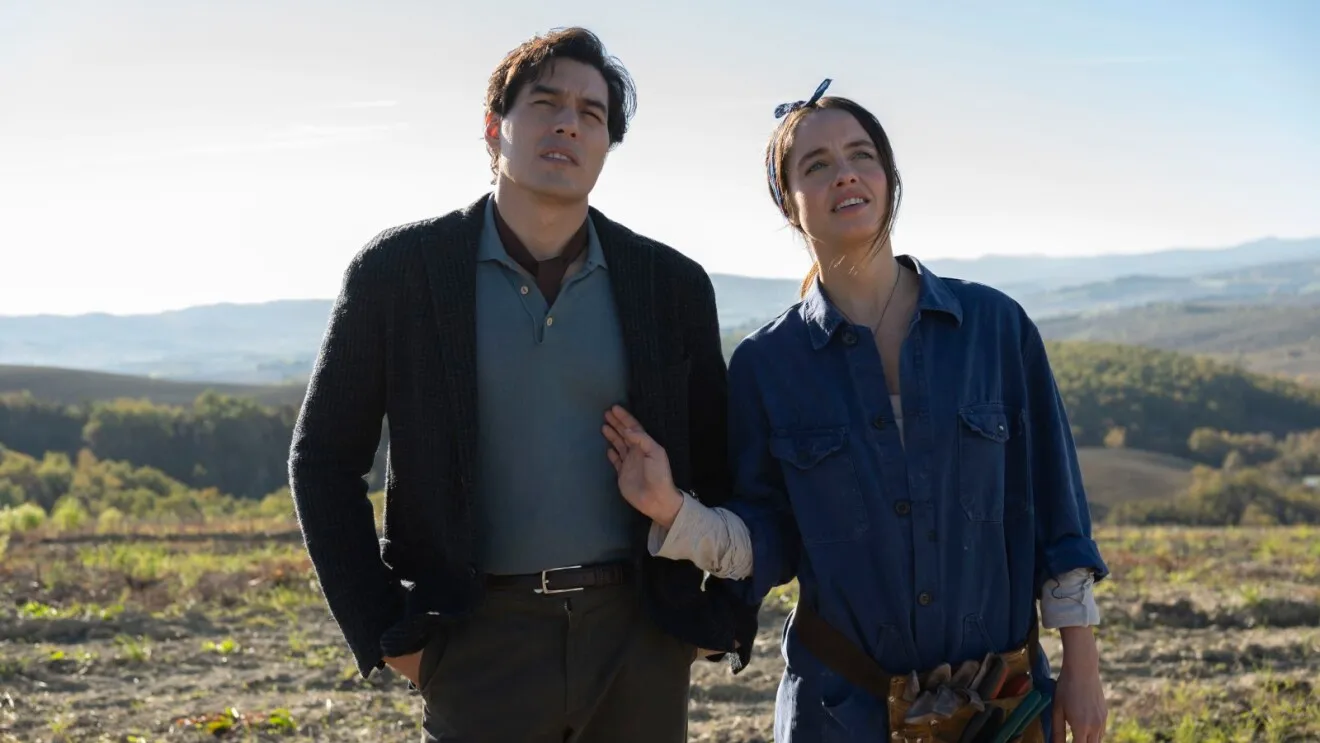
May 2026 brought Italian cinema to global streaming audiences with the premiere of No Place to Be Single on Prime Video. Adapted from Felicia Kingsley’s bestselling novel, this romantic comedy emerges from the rolling hills of Belvedere, a fictional Tuscan village nestled within the Chianti region. The film weaves together familiar genre elements—small-town romance, second-chance love, and the tension between preservation and progress—while grounding its narrative in the unglamorous realities of domestic labor, mortgage payments, and inherited responsibility. Director Laura Chiossone delivers a work that refuses the usual saccharine treatment of Italian countryside aesthetics, instead presenting Tuscany as a working landscape where beauty exists alongside burden.
What distinguishes this production is its commitment to treating adults like actual adults. Rather than positioning love as an escape from quotidian pressures, No Place to Be Single frames romance as something that must coexist with municipal reality, tax deadlines, and the exhausted calculations of single parenthood. The result is a romantic comedy with the texture of melodrama and the restraint of literary fiction—a combination that occasionally stumbles but often transcends its genre origins.
Story
Elisa Giuggiole, thirty-four, runs the family vineyard while raising her teenage daughter alone. The estate at Belvedere produces grapes and debt with equal discipline, demanding labor, inheritance management, and adult obligation from everyone within its stone walls. Her life has become what the film calls “continual triage”—managing her teenage daughter Linda, holding together a heritage business, and keeping emotional vulnerability at a survivable distance. Solvency has replaced sentiment, and desire waits outside the gate, probably holding an invoice.
This carefully maintained equilibrium fractures with Michele’s arrival. A Milanese financial consultant and childhood friend, he comes armed with metropolitan arithmetic and paperwork suggesting a possible sale of Le Giuggiole. Before he can become anything else—a romantic interest, a reconnection with the past—he registers as a threat. The estate becomes the site of economic and moral reckoning, where preservation confronts market logic with clean brutality. Their shared history sharpens every exchange, transforming the vineyard into a battlefield of memory and necessity.
The narrative reaches its dramatic peak during a dinner-table debate over the property’s future, framing the estate simultaneously as gift and burden. The scene crystallizes how financial trauma enters domestic spaces, sits down uninvited, and demands resolution. Yet the film’s structure proves uneven. The opening carries dense exposition and multiple subplots that require patience to settle. The middle act briefly loses momentum when central tensions thin, and the resolution, while emotionally satisfying, arrives with a tidiness that undercuts some of the earlier grounded authenticity.
Performances
Matilde Gioli embodies Elisa with severity that feels genuinely lived in. She avoids romantic softness entirely, constructing the character through maternal grit, accumulated fatigue, and the quiet tragedy of desires deferred until they become unrecognizable. Gioli makes Elisa’s conversion of tenderness into responsibility visible through subtle physical choices—posture, tempo, and that particular guarded stillness of someone who has learned survival through emotional narrowing. This is performance-as-transformation, invisible in its craft.
Cristiano Caccamo’s Michele offers productive roughness. Handsome, certainly, yet the performance layers petulance, hesitation, and indecisiveness that unsettle romantic expectations. The chemistry between these leads burns slowly through sour old jokes and silences thickened by years of shared history. It feels terrestrial, rooted in mutual damage and practical irritation rather than cinematic fantasy.
The supporting cast elevates the household’s emotional architecture. Amanda Campana gives Giada, the younger sister, a sober gravity that positions her as the family’s moral compass. Linda avoids teenage rebellion clichés, instead projecting observational intelligence that frequently surpasses the adults around her—recognizably adolescent, alert, wounded, and perpetually several steps ahead in unspoken household negotiations.
Behind the Lens
Valerio Evangelista’s cinematography strips Tuscany of travelogue sheen. The hills and limestone surfaces feel tactile, shaped by weather, hard work, and generational inheritance. Late-afternoon dinners glow in soft amber light, suggesting an era approaching its end. The lighting strategy creates gentle chiaroscuro—warmth concentrated at the family table, shadow creeping across the ledgers that track the estate’s precarious finances.
Chiossone directs with measured restraint, preventing material from spilling into melodrama while employing visual grammar tied to characters’ physical relationship with the land. She frames the village as genuinely lived-in, a place where people work, pay taxes, and navigate ordinary struggles. Romance must share space with municipal reality, what the film calls “a famously unglamorous co-star.”
The soundscape carries particular cultural specificity. The Tuscan dialect’s melodic cadence anchors the work emotionally for Italian audiences, though the English dubbing creates problematic breaks for international viewers. Vocal performances fail to match physical movements, producing distancing effects that weaken otherwise strong acting. The original language version reveals richer sonic texture, allowing regional speech rhythms to support rather than undermine emotional design. The score guides shifts with restraint, avoiding heavy-handed cues and letting feeling emerge through pace and atmosphere.
Final Verdict
No Place to Be Single succeeds when it trusts its mature premise. It speaks to viewers who understand love as negotiation with history, debt, family, and practical life’s small humiliations. Lighthearted moments coexist with genuine emotional pressure, creating something comforting, textured, and quietly alert to the costs of staying rooted.
The film anchors romance in exhausting realities—debt, domestic labor, single parenthood—and treats its characters as adults with mortgages rather than desire’s caricatures. Pacing occasionally falters, and dubbing disrupts sensory experience. Yet the performances carry grounded maturity that compensates for structural weaknesses. When it honors mess, contradiction, and adult compromise, the film achieves something rare: a romantic comedy that feels authentic to the weight of genuine life. For audiences seeking genre fare that respects their intelligence, this Tuscan tale delivers terrestrial warmth alongside its romantic aspirations.