

When it comes to Turkish romantic dramas on Netflix, few series have managed to capture the messy, complicated nature of modern relationships quite like Thank You, Next. The third season of this Istanbul-set romantic drama arrives with renewed emotional intensity, proving that creator Ece Yörenç has crafted something genuinely compelling beneath the surface-level romance. Directed by Bertan Başaran, this season takes viewers deeper into Leyla’s psychological landscape than ever before, transforming what could have been another conventional love triangle into something far more nuanced and emotionally resonant.
The ensemble cast remains stellar, with Serenay Sarikaya leading the charge as Leyla, supported by Fatih Artman, Metin Akdülger, Hakan Kurtas, Boran Kuzum, Ahmet Rıfat Şungar, and Meriç Aral. Spanning eight episodes of approximately 45-50 minutes each, this season marks a definitive shift in tone that rewards longtime viewers while remaining accessible to newcomers curious about the Turkish content dominating global streaming platforms.
Story: A Narrative That Prioritizes Emotional Truth Over Dramatic Convenience
What sets Thank You, Next Season 3 apart from its predecessors lies in its fundamental narrative philosophy. Earlier seasons luxuriated in glamorous presentations of toxic romances, treating dramatic tension as an end in itself. This installment takes a dramatically different approach, grounding Leyla’s journey in authentic emotional consequences that feel startlingly real.
The season opens with Leyla attempting to piece herself back together after the devastating events involving Cem. Rather than rushing toward another romantic resolution, the narrative takes considerable time exploring how trauma accumulates and manifests in everyday life. Viewers witness Leyla navigating emotional exhaustion that goes far beyond the frustration of bad dates—this is about a woman learning to recognize her own patterns and the lasting impact of relationships that wounded her deeply.
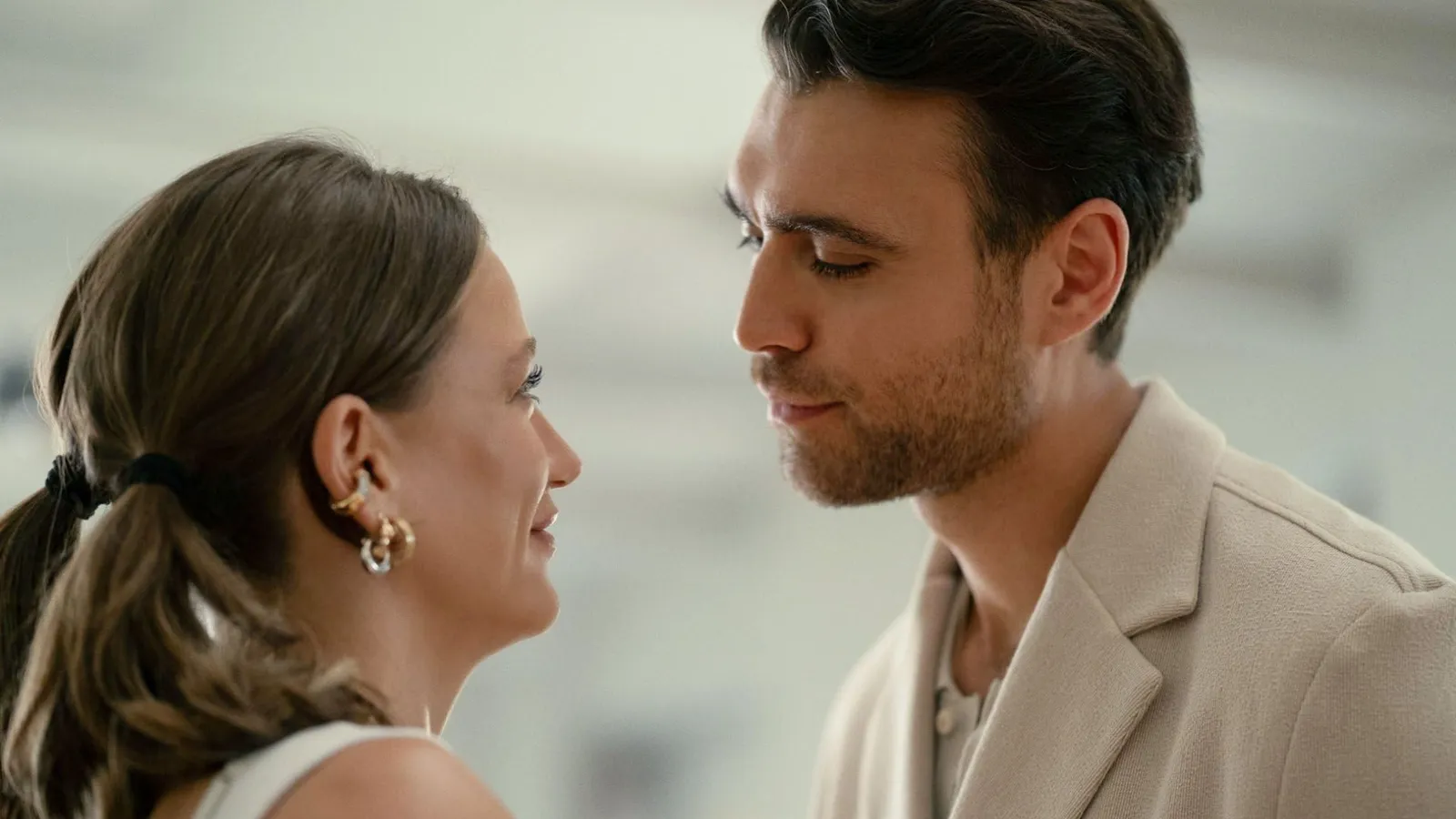
A pivotal storyline involves Ali, introduced as a potential new romantic interest whose chemistry with Leyla stands in sharp contrast to her previous entanglements. Where Cem brought manipulation, conflict, and psychological games, Ali offers genuine conversation and emotional stability. These quieter moments between the characters become the season’s most compelling scenes, demonstrating that Yörenç understands sometimes the most dramatic elements are the ones that happen silently.
The creative decision to avoid transforming Ali and Leyla’s relationship into a fairy tale resolution deserves particular praise. When career opportunities create distance between them, the narrative explores how loving someone sometimes means recognizing that life pulls people in incompatible directions. This mature perspective on relationships—acknowledging that love alone cannot overcome practical realities—elevates the material beyond typical romantic drama conventions.
Meanwhile, the Cem storyline evolves into something unexpectedly dark and layered. The ongoing investigation into his actions reveals disturbing truths about his family history and personal circumstances. What begins as a toxic relationship narrative transforms into a broader exploration of manipulation, secrets, and the legal entanglements that trap those caught in someone’s orbit. This narrative thread adds necessary tension and prevents the season from becoming too comfortably romantic.
Perhaps most impressively, the show captures the psychological complexity of remaining emotionally attached to someone who caused significant harm. Leyla’s internal conflict—understanding intellectually that Cem damaged her while feeling unable to let go emotionally—receives treatment that feels psychologically authentic rather than dramatically convenient.
Performances: A Masterclass in Nuanced Character Work
Serenay Sarikaya delivers what might be her most challenging performance to date, and she rises to the occasion magnificently. Playing Leyla requires navigating impossible contradictions: the character must be simultaneously frustrating in her choices and deeply sympathetic in her vulnerability. Sarikaya manages this balance with remarkable skill, creating a protagonist who feels like someone viewers might know personally rather than a idealized romantic lead. Her ability to convey internal conflict through subtle expressions and delivery patterns makes Leyla one of the most compelling female characters in contemporary Turkish television.
Fatih Artman’s portrayal of Ali represents a career-defining performance. In lesser hands, Ali risked becoming simply a “nice guy” archetype, but Artman infuses the character with enough depth and presence to feel like a genuine person rather than a narrative device. His portrayal carries quiet charisma—the kind that doesn’t demand attention but commands it nonetheless. The romantic scenes between Artman and Sarikaya crackle with authentic chemistry, particularly during moments of silence where dialogue would only diminish what’s being communicated through shared glances and physical proximity.
Hakan Kurtas continues to make Cem a fascinating study in charm and danger. His performance walks a careful line, allowing glimpses of genuine appeal beneath the manipulation while never letting viewers forget the harm Cem causes. This complexity makes Cem one of the more memorable antagonists in recent Turkish drama, avoiding the trap of making him either purely villainous or unnecessarily sympathetic.
The supporting ensemble maintains impressive consistency throughout, with each actor contributing substantially to the world-building even during scenes that don’t center their characters directly.
Behind the Lens: Directorial Vision and Production Values
Bertan Başaran’s direction this season demonstrates significant growth as a storyteller. His approach to pacing deserves particular acknowledgment—allowing emotional beats to breathe rather than rushing toward the next plot point creates space for viewers to genuinely connect with the material. The Istanbul locations feel less like pretty backdrops and more like extensions of Leyla’s psychological state, with the city’s energy reflecting her internal chaos.
The cinematography makes notable improvements in distinguishing between different relationship dynamics. Scenes featuring Ali and Leyla utilize softer lighting and warmer color palettes that visually communicate the emotional safety their connection represents. In contrast, sequences involving Cem favor harsher shadows and cooler tones that subconsciously prepare viewers for confrontation and tension.
The writing team, led by Yörenç, deserves credit for trusting audiences to appreciate subtlety. By resisting the temptation to over-explain emotional states through dialogue, the scripts allow actors’ performances to carry significant narrative weight. This restraint results in a more immersive viewing experience where attention is rewarded with deeper understanding of character motivations.
Final Verdict: A Season That Earns Its Emotional Demands
Thank You, Next Season 3 succeeds because it respects both its characters and its audience. Rather than offering easy answers or comfortable resolutions, the narrative commits to exploring how relationships reshape us in ways that persist long after they end. The themes of loneliness, uncertainty, emotional dependence, and the aftermath of breakup receive treatment that feels genuinely thoughtful rather than performatively dramatic.
Fans of Turkish romantic drama will find much to appreciate, while viewers new to the genre will discover an excellent entry point that doesn’t require deep familiarity with previous seasons to appreciate its achievements. The performances, particularly from Sarikaya and Artman, elevate source material that already showed considerable promise.
For anyone seeking sophisticated entertainment that treats emotional complexity with the gravity it deserves, this season delivers eight episodes of satisfying, thought-provoking television. It confirms that Thank You, Next represents one of the more impressive recent entries in the Turkish content explosion on global streaming platforms.