

Murder 101 is a three‑episode true‑crime docuseries that streams exclusively on Amazon Prime Video. It debuted on July 13, 2026, and offers a fresh spin on the cold‑case genre by placing a Tennessee high‑school classroom at the heart of the investigation.
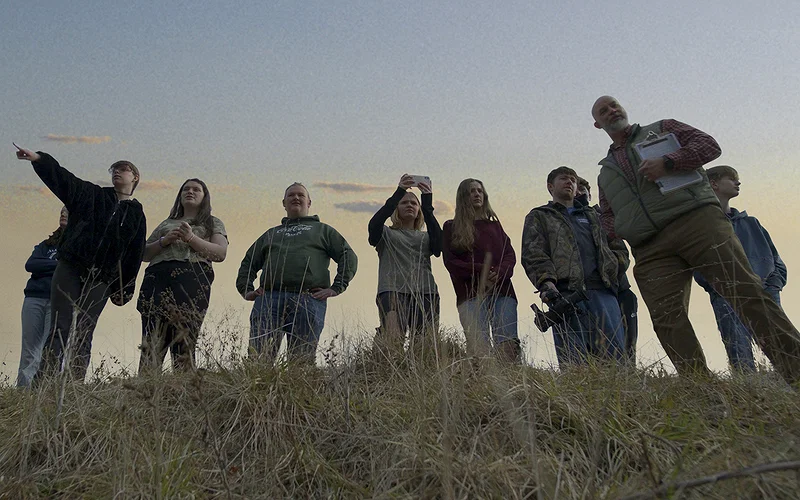
When a sociology teacher decides to turn his classroom into a detective hub, the result is part educational experiment, part emotional reckoning. Murder 101 chronicles how Alex Campbell, a teacher at Elizabethton High School, mobilises his students to revisit unsolved murders from the 1970s and 1980s. The series blends teen‑life narratives with genuine investigative work, creating a compelling watch that feels both intimate and urgent.
From Podcast to Classroom
The project originated from the podcast of the same name. After the first season of the podcast aired, Campbell launched a pilot class that encouraged pupils to research a cluster of linked homicides. The initial campaign succeeded in moving several “Jane Doe” victims from anonymity to identified individuals, giving families long‑awaited answers.
Several years later, Campbell reconvenes a new cohort of students. With fresh perspectives and modern tools, the class aims to unearth new evidence and locate witnesses that could finally break open the cases.
Alex Campbell’s Classroom Crusade
Campbell’s motivation goes beyond textbook sociology. He has spent over a decade assisting law‑enforcement agencies with cold‑case breakthroughs, and he brings that dedication into the classroom. While he is personally invested in the outcomes, his primary goal is to empower students to take control of the investigative process. The teacher pushes his pupils to think creatively, utilise emerging technology, and adopt an empathetic mindset—skills that extend far beyond the realm of true crime.
Student Voices and Personal Stories
One of the series’ strengths is its focus on the teenagers as real people, not just aspiring detectives. The documentary crew spends time with each student, revealing their everyday worries: upcoming prom, college applications, and family challenges.
- A senior grapples with the unresolved death of her mother, using the class as a way to process grief.
- Another student navigates the foster‑care system, moving between homes while dealing with the impact of substance abuse on her family.
These personal narratives ground the investigative work in humanity, showing how the students’ lived experiences shape their approach to the cases.
The Emotional Impact: From Jane Does to Named Victims
By the end of the series, several previously anonymous victims receive names—Tracy Walker, Lisa Nichols, Tina Farmer, Michelle Inman, and Espy Pilgrim. The process provides closure for the families and transforms “needles in a haystack” into stories with tangible stakes. The documentary emphasizes that naming the dead is a powerful act of respect, turning abstract crime statistics into real lives worthy of remembrance.
Balancing True Crime and Teen Life
Murder 101 walks a fine line between the gritty nature of cold‑case investigations and the lighthearted moments of high‑school life. In class, students present hypotheses, analyse DNA data, and debate theories—activities that would impress seasoned investigators. Outside the classroom, they worry about prom kings, extracurricular résumés, and future career paths, with one even expressing interest in pursuing filmmaking after being inspired by the crew.
This juxtaposition highlights how the series mirrors the hybrid style of State (the acclaimed documentary series by Amanda McBaine and Jesse Moss) while echoing the darker tone of I’ll Be Gone in the Dark. The result is a narrative that reminds viewers that anyone—whether a seasoned sleuth or a high‑schooler—can contribute meaningful breakthroughs to unsolved cases.
A Blend of Formats: State Meets I’ll Be Gone in the Dark
Critics have noted that Murder 101 feels like a crossover between the immersive, character‑driven approach of State and the haunting, personal storytelling of I’ll Be Gone in the Dark. The series does not shy away from the bleak realities of violence against women, yet it avoids an overly nihilistic perspective. Instead, it offers hopeful, humanist moments that celebrate empathy and collective action.
Final Verdict
At just three episodes (totalling roughly three hours), Murder 101 delivers a concise yet impactful experience. It avoids lingering too long on darkness, preferring to spotlight the transformative power of education and compassion. For viewers seeking a fresh take on the true‑crime genre—one that champions youth agency and emotional intelligence—the docuseries is a must‑watch.
Also Read:
Investigating the Unsolved: Everything You Need to Know About the True Crime Docuseries “Murder 101”