


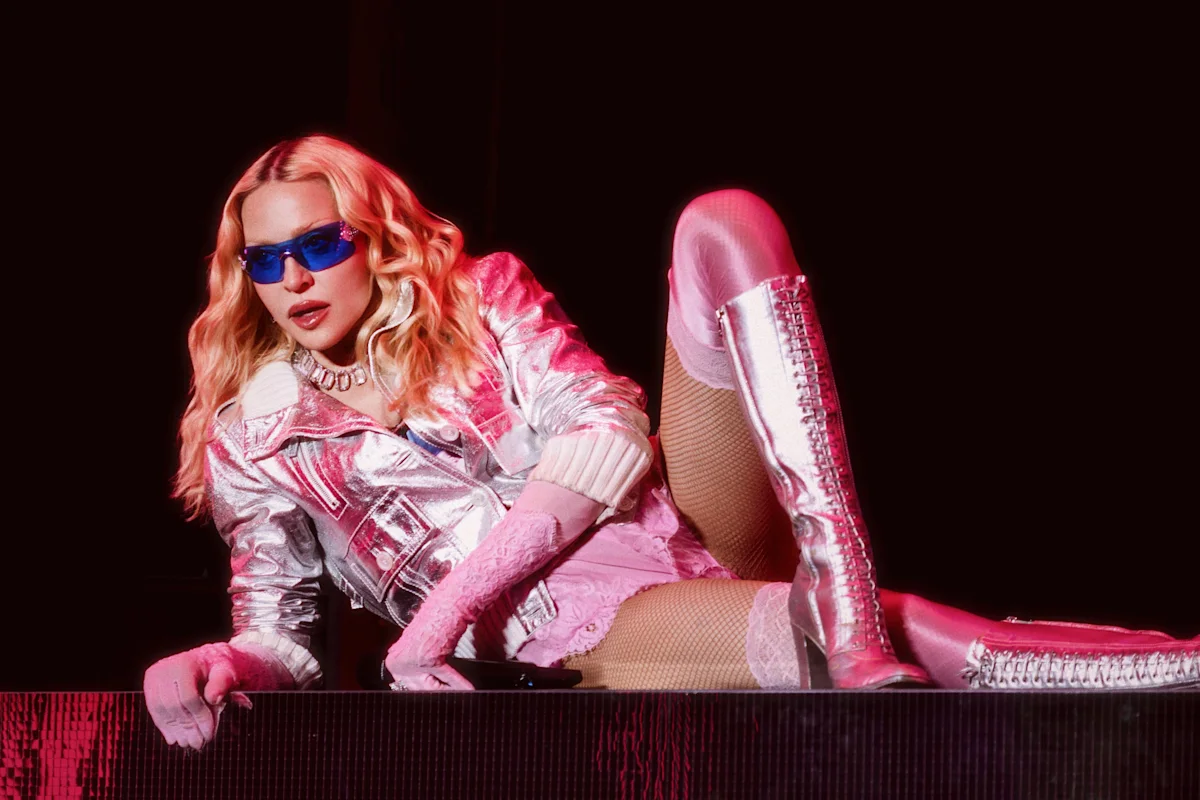
Madonna is no stranger to reinventing herself, but “Confessions II” feels less like a reinvention and more like a homecoming. After years of experimentation and mixed results, the icon returns to the sonic landscape that defined her legacy: the nightclub. This new record acts as a spiritual successor to the 2005 classic “Confessions on a Dance Floor,” yet it manages to feel entirely fresh and relevant to today’s musical climate.
The project reunites Madonna with renowned producer Stuart Price, a collaboration that has time and time again yielded some of pop’s most electrifying moments. The result is an album that effortlessly balances euphoric, floor-filling anthems with a surprising amount of emotional depth. It is a record that refuses to choose between the body and the soul, delivering bangers that make you move while quietly breaking your heart.
A Nostalgic Yet Fresh Sound
The album opens with “I Feel So Free,” a track that immediately sets the tone. It is an explosion of joy and optimism, a perfect entry point into an album that recaptures the magic of Madonna’s past while sounding undeniably current. The chemistry between Madonna and Price is palpable here, proving that their partnership is one of the most enduring and productive in modern pop music.
From the very first note, it is clear that this isn’t a nostalgia trip meant solely for aging fans. While it honors the disco and house roots of its predecessor, “Confessions II” incorporates modern production techniques that keep it from sounding dated. It is a bridge between the neon-lit clubs of the 80s and the sleek electronic festivals of today.
The Club Anthems
As the album progresses, it rarely lets up in terms of energy. “Good For The Soul” pairs driving electronic rhythms with layers of vocoder, creating a track that feels both retro and futuristic. It is a testament to Madonna’s ability to adapt to new sounds without losing her identity.
One of the standout collaborations comes in the form of “Bring Your Love,” featuring Sabrina Carpenter. This track is one of the album’s most irresistible pop moments. Carpenter matches Madonna’s energy perfectly, creating a duet that bridges the generational gap between the pop icon and the rising star without feeling forced or manufactured. It is a perfect example of how Madonna continues to influence and collaborate with the new guard of pop music.
Another highlight is “Danceteria,” a vibrant love letter to the downtown New York that helped shape Madonna’s artistic identity. Over pulsating disco rhythms, she celebrates the city’s creative underground, name-dropping icons like Keith Haring and Jean-Michel Basquiat. The track captures the essence of what made Madonna’s classic dance records so compelling: cultural awareness, catchy hooks, and an instinctive understanding of what makes people dance.
“Read My Lips,” featuring Colombian star Feid, folds Latin influences into sleek electronic production. This track demonstrates Madonna’s continued ability to collaborate across genres without sacrificing her own distinct sound. It is a bold, energetic fusion that adds another layer of diversity to the album’s sonic palette.
Intimate Songwriting and Personal Stories
Beneath the shiny, club-ready surface lies some of Madonna’s most personal songwriting in years. “Fragile,” inspired by her late brother Christopher Ciccone, is a moving meditation on family, memory, and forgiveness. It strips away the production gloss to reveal a raw, emotional core that resonates deeply.
“The Test” finds Madonna sharing the microphone with her daughter, Lourdes Leon. The track subtly references “Little Star” from the “Ray of Light” era, creating a beautiful mother-daughter moment that is one of the record’s most quietly affecting pieces. It is a tender reflection on legacy and lineage.
“Betrayal,” reportedly inspired by her complex relationship with her stepmother, takes a darker turn. Over a brooding trip-hop beat, Madonna revisits childhood wounds with remarkable candor. The line, “You’ll never take my mother’s place,” is delivered with visceral emotion, showing that even after four decades, Madonna is still willing to bare her soul to her audience.
The album closes with “L.E.S. Girl,” a wistful track that brings the record full circle. Set against a groovy backdrop, Madonna recalls a lost romance in New York, painting vivid snapshots of the city. It is a reflective finale that doesn’t surrender the album’s momentum but rather gives the listener a moment to catch their breath before the night ends.
A Resurgent Masterpiece
For listeners who found “Rebel Heart” and “Madame X” to be less immediate than her finest work, “Confessions II” feels like a genuine creative resurgence. It successfully balances euphoric dance music with autobiography, pairing floor-filling anthems with insightful lyrics that reveal the person behind the icon.
At a time when today’s biggest female stars continue to reshape popular music, “Confessions II” serves as a timely reminder that many of the paths they now travel were paved by Madonna. It is not just a victory for the Queen of Pop, but a testament to her enduring relevance in an industry that is constantly changing. This is Madonna at her most confident, most vulnerable, and most essential.
Watch the Confessions II – The Film here.