


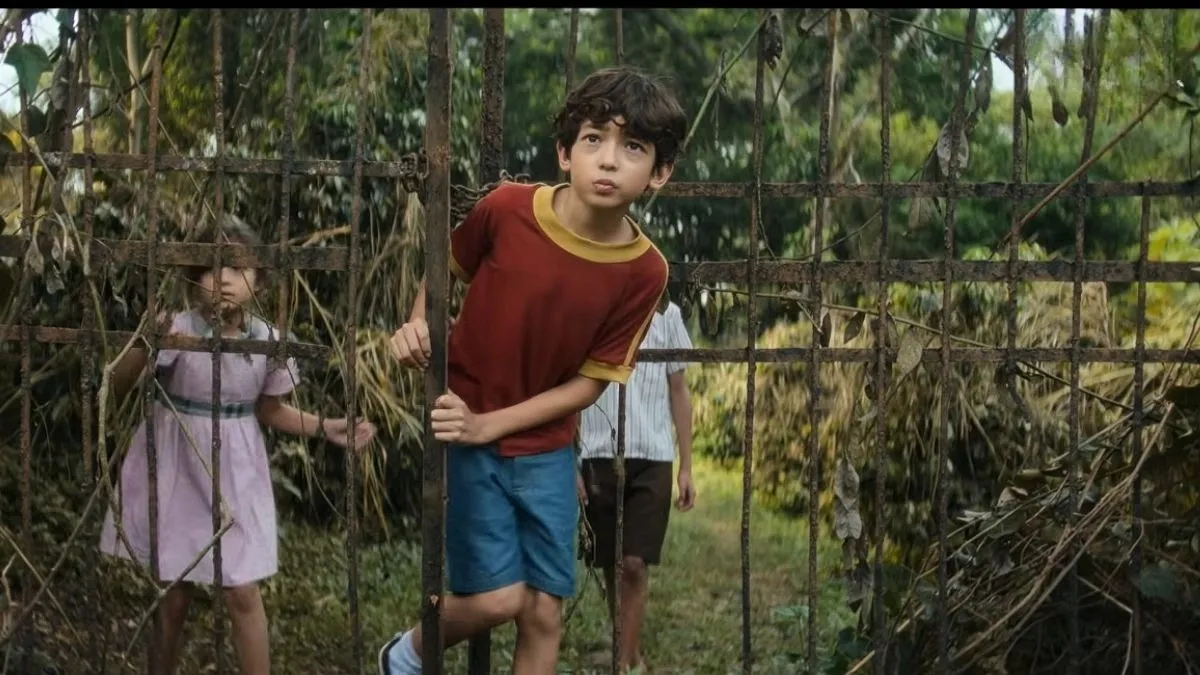
The Netflix limited series I’m Not Afraid premiered globally on July 8 2026, bringing a compact six‑episode thriller set against the backdrop of the 1986 FIFA World Cup. The show, adapted from Niccolò Ammaniti’s story and relocated to a rural Mexican village, follows ten‑year‑old Miguel, whose innocent world collides with the grim realities of adult desperation. By interweaving the festive buzz of a national football celebration with the stark economics of a coffee‑growing community, the series crafts a tense drama that feels both intimate and socially resonant.
Synopsis
In a humble Veracruz village where the 1986 World Cup dominates every household, ten‑year‑old Miguel spends his days playing football with friends and listening to local folklore about a witch who prowls the forest. When his friend Chuy disappears along with his family, Miguel’s routine investigation leads him to a hidden pit beneath an abandoned house, where he discovers a chained boy named Felipe. This harrowing find forces Miguel to navigate a world of adult secrets, financial strain, and quiet violence, all while the village watches the World Cup matches. The story unfolds through a non‑linear timeline that contrasts the community’s optimism in 1981—before a coffee leaf rust disease devastated the harvest—with the desperate circumstances of 1986, revealing how economic collapse fuels the crime at the series’ core.
Performances
Aldo Emiliano Navarro delivers a restrained yet compelling portrayal of Miguel, capturing the confusion and growing dread of a child thrust into an adult nightmare. Rather than relying on exaggerated expressions of fear, Navarro lets subtle facial cues—a tightening of the jaw, a fleeting glance—signal Miguel’s gradual comprehension of the danger surrounding him. His chemistry with Yago Andreu, who plays the captive Felipe, is especially poignant; their whispered football discussions become a secret language that bridges the gap between innocence and imprisonment. The supporting cast, including the adult villagers, effectively embodies the weight of financial pressure, portraying characters who are simultaneously sympathetic and implicated in the series’ moral ambiguity.
Behind the Lens
Director and writers re‑imagine Ammaniti’s narrative by anchoring the plot in the real socioeconomic struggles of rural Mexico. The visual design deliberately avoids treating poverty as mere aesthetic: cracked walls, dim lighting, and unpaid bills are replaced by the charred remnants of coffee fields, illustrating the community’s economic collapse. The 1981 flashbacks serve a dual purpose—they not only deepen the mystery but also expose the machinery behind the kidnapping, showing how a once‑vibrant coffee harvest was decimated by leaf rust, leaving families vulnerable to exploitation.
Cinematography emphasizes tight close‑ups during Miguel’s discoveries, contrasted with wide shots of empty houses and burnt orchards, underscoring how the landscape itself bears witness to the villagers’ desperation. The series’ pacing, while measured, mirrors a child’s perception of adult crises—fragmented, uncertain, and often delayed in revealing the full picture.
Final Verdict
I’m Not Afraid stands out in the streaming landscape by refusing to treat poverty as a backdrop for a crime thriller; instead, it integrates material hardship into the very cause and effect of its plot. The series’ slower pace may test the patience of viewers expecting rapid‑fire twists, but this restraint ultimately serves its central message: children are forced to bear the consequences of adult failures.
Navarro’s nuanced performance keeps Miguel’s loss of innocence painfully concrete, while the non‑linear structure continually reshapes the audience’s understanding of the village’s descent into crime. Though occasional stretches of family anxiety could be trimmed, the show’s strengths—strong performances, socially conscious storytelling, and evocative cinematography—make it a noteworthy addition to Netflix’s drama lineup. For those seeking a thoughtful thriller that links personal trauma to broader economic realities, I’m Not Afraid is a resonant, if sometimes challenging, watch.