

A Centennial Celebration That Rewrites Television History
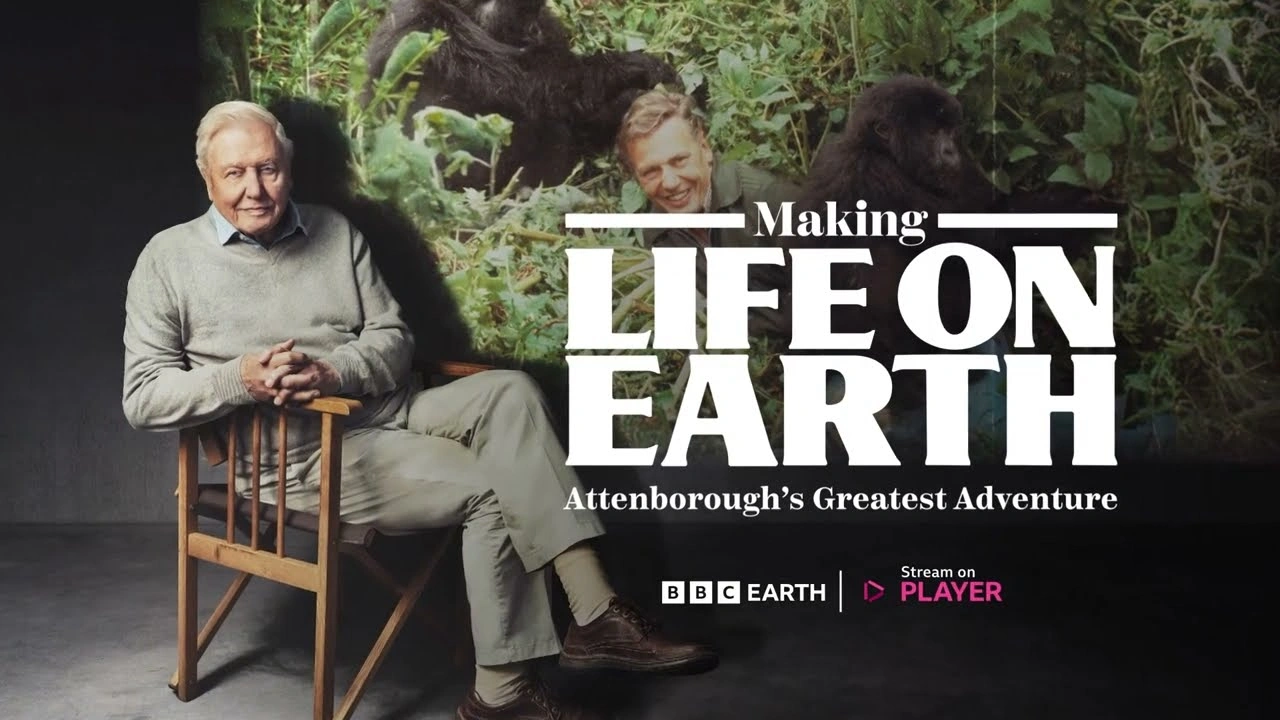
A newly released documentary arriving on screen this spring offers far more than a simple retrospective. Making Life on Earth: Attenborough’s Greatest Adventure premiered on PBS in the United States on May 6, 2026, with BBC One and iPlayer carrying the broadcast across the United Kingdom beginning May 8, 2026. This tribute arrives on the occasion of Sir David Attenborough’s hundredth birthday, commemorating five decades since he embarked on a project that would fundamentally transform how humanity visualizes and understands the natural world.
The documentary peels back the polished surface of the original 1979 landmark series to expose the extraordinary production journey undertaken across forty countries over three grueling years. Through carefully preserved archival material and fresh conversations with surviving members of the original crew, viewers gain unprecedented access to the technical obstacles, physical dangers, and organizational chaos that accompanied every breathtaking sequence. For audiences in North America, the documentary remains accessible through the PBS application, while United Kingdom viewers can experience the story via BBC iPlayer.
The Pivotal Choice That Shaped Television Forever
Beyond its celebration of a milestone birthday, the documentary illuminates one of the most consequential decisions in broadcasting history. At a crucial professional crossroads, Attenborough declined the trajectory toward institutional power—specifically, the pathway toward becoming BBC Director-General—and instead retreated to active field work. He traded the relative comfort of bureaucratic command for the unpredictable demands of direct engagement with the living world.
This single choice generated immeasurable cultural value. The BBC gained something far more enduring than administrative competence: a revolutionary visual vocabulary for representing nature on screen. Attenborough’s decision established a template that continues influencing how documentary filmmakers approach natural history content, prioritizing presence and observation over detached commentary.
Unscripted Moments Behind the Iconic Authority
The documentary maintains an engaging, conversational rhythm that deliberately softens Attenborough’s trademark authoritative presence without diminishing it. Candid footage and personal recollections reveal a figure considerably more playful and improvisational than the serious narrator most audiences know. The jocular personality emerging from these archives demonstrates remarkable tolerance for production disorder, offering viewers the opportunity to encounter the human being behind the iconic voice.
This approach serves a deeper purpose. By presenting Attenborough as a real person navigating real difficulties, the documentary humanizes a figure often perceived as omniscient and untouchable. The warmth and humor revealed here make the eventual achievements feel earned rather than inevitable.
Technical Revolution Meets Cultural Transformation
The production’s relocation to the Natural History Unit in Bristol marked the beginning of an ambitious undertaking spanning multiple continents and requiring unprecedented resource commitment. Several technological and cultural factors converged to make such an expansive project feasible at that specific historical moment.
Color television had finally become a mainstream household technology, transforming what audiences expected from visual content. Commercial aviation had progressed to a point where international film crews could reasonably transport equipment across vast distances. Most significantly, lightweight camera equipment liberated filmmakers from studio constraints, enabling genuine location work in environments previously inaccessible to television production.
These technological advances supplied the means, but the series required something more: ambition commensurate with the opportunity. The thirteen-episode structure attempted something extraordinarily difficult—a coherent narrative explaining the entire progression of life on Earth through a unified storytelling approach. This format deliberately challenged existing conventions for educational programming, which typically confined scientific content to limited, segmented presentations.
The financial and logistical stakes were enormous. The BBC committed substantial funding and assigned top personnel to an endeavor offering no guaranteed return on investment. The fundamental wager reflected a bold hypothesis: ordinary audiences might embrace rigorous educational content when presented with cinematic scale and visual sophistication.
The Template That Defined an Industry
That original bet now appears almost prophetic in its accuracy. The series established the conceptual framework subsequently adopted by countless nature documentary productions, particularly those dominating contemporary streaming platforms. It pioneered a shift from static observation to what might be termed planetary cinema—a style of factual entertainment competing through immersion, visual spectacle, and dramatic scope.
The series also reflected and accelerated broader shifts in Western media’s relationship with environmental content. The natural world transitioned from abstract concept to shared screen experience, rendered accessible to mass audiences through the combined forces of advancing technology, improved travel infrastructure, and institutional willingness to take creative risks.
Chaos Hidden Behind Serene Images
The tranquil sequences audiences remember concealed production realities frequently verging on catastrophe. During filming in the Grand Canyon, Attenborough suffered a severe allergic reaction to donkey hair, causing his eyes to swell shut during a critical shooting moment. The crew maintained professional composure, capturing footage from strategic distances that effectively disguised the medical emergency while preserving the intended content.
The Galápagos Islands presented their own distinctive challenges. Giant tortoises, meandering through the production campsite, periodically collapsed tent structures, disrupting careful preparations and requiring constant improvisation. These anecdotes perform valuable work by exposing field documentary production as fundamentally a discipline of patience, adaptability, and occasional humiliation. The ultimately polished images depended entirely on crews responding flexibly to landscapes, animal behavior, and weather patterns.
Political instability created complications equally demanding. When filming in the Comoros Islands, the crew found themselves present during an actual coup d’état. Attenborough’s fluency in French proved invaluable as he negotiated directly with officials to maintain necessary permissions and ensure the production’s continued safety.
In Iraq, during sequences seeking early writing artifacts, producer Mike Salisbury advanced ahead of the main team into genuinely dangerous territory, confronting the possibility of being taken hostage by the then-existing regime. Production logistics apparently calculated that losing Salisbury, while catastrophic, would represent a lesser disaster than losing the series’ central figure—a grim arithmetic revealing the unusual ethics governing dangerous location filmmaking.
The Patience of Biological Observation
Biological subjects demanded their own form of endurance from production personnel. One cameraman devoted fourteen consecutive days observing a single Darwin’s frog, waiting for the precise moment of birth worth capturing. Such dedication illustrates the enormous labor concealed behind the seamless broadcast image. The orderly, progressive, wonder-inspiring final program emerged from swollen eyes, collapsed tents, political danger, and extensive periods of passive waiting for natural subjects to cooperate according to their own schedules.
The mountain gorilla encounter in Rwanda remains the series’ most culturally significant sequence. Attenborough describes experiencing a profound connection with these animals during filming, and the resulting footage fundamentally altered public perception of humanity’s position within biological hierarchies. The sequence’s power derived from its intimacy—bringing viewers into sensory proximity with animals too often reduced to distant symbols, compelling recognition of their obvious intelligence and kinship with humans.
The aftermath of that shoot carried its own genuine danger. Military personnel detained the crew near an army compound in Kigali, creating genuine fear that the situation might end violently. One crew member’s quick thinking—relabeling gorilla film canisters—protected irreplaceable footage from potential confiscation or destruction. That decision preserved a foundational piece of television history, while simultaneously demonstrating how fragile landmark programming remains before achieving broadcast status. A sequence later perceived as inevitable survived through combination of composure and fortune.
A Cultural Phenomenon Measured in Audience
When the series eventually reached air, it commanded the attention of fifteen million viewers across its broadcast run. Popularity reached such intensity that establishments serving alcoholic beverages reportedly experienced significant declines in Tuesday night business as audiences stayed home rather than socializing. This detail carries an almost comic quality when viewed from contemporary perspective, given modern fragmented viewing habits. Yet the statistic speaks to the scale of cultural impact achieved—a demonstration that substantial audiences would prioritize substantive, educational content when storytelling provided sufficient visual power and emotional resonance.
Legacy Continues Through Digital Platforms
The series essentially invented the expensive production model subsequently adopted by every prominent natural history documentary. Its influence continues shaping how global narrative content appears across digital streaming platforms, where scale, access, and spectacular presentation remain primary selling points. The standard it established for visual storytelling retains its authority decades later, while Attenborough himself solidified his position as the essential intermediary between scientific knowledge and general public understanding.
Conclusion
The documentary succeeds by dismantling the polished exterior surrounding the original series to reveal the human, physical, and political labor embedded within. Attenborough’s pivotal choice of field over office remains a defining moment for both the BBC and public broadcasting generally. The film captures precisely the tensions and technical ambition that birthed an entirely new visual language for representing nature. It stands as essential documentation of a genuine cultural transformation—one that continues influencing how humanity perceives and relates to the natural world.
Also Read:
BBC’s Epic Tribute to Sir David Attenborough: A Week of Programming Celebrating 100 Years of Wonder