

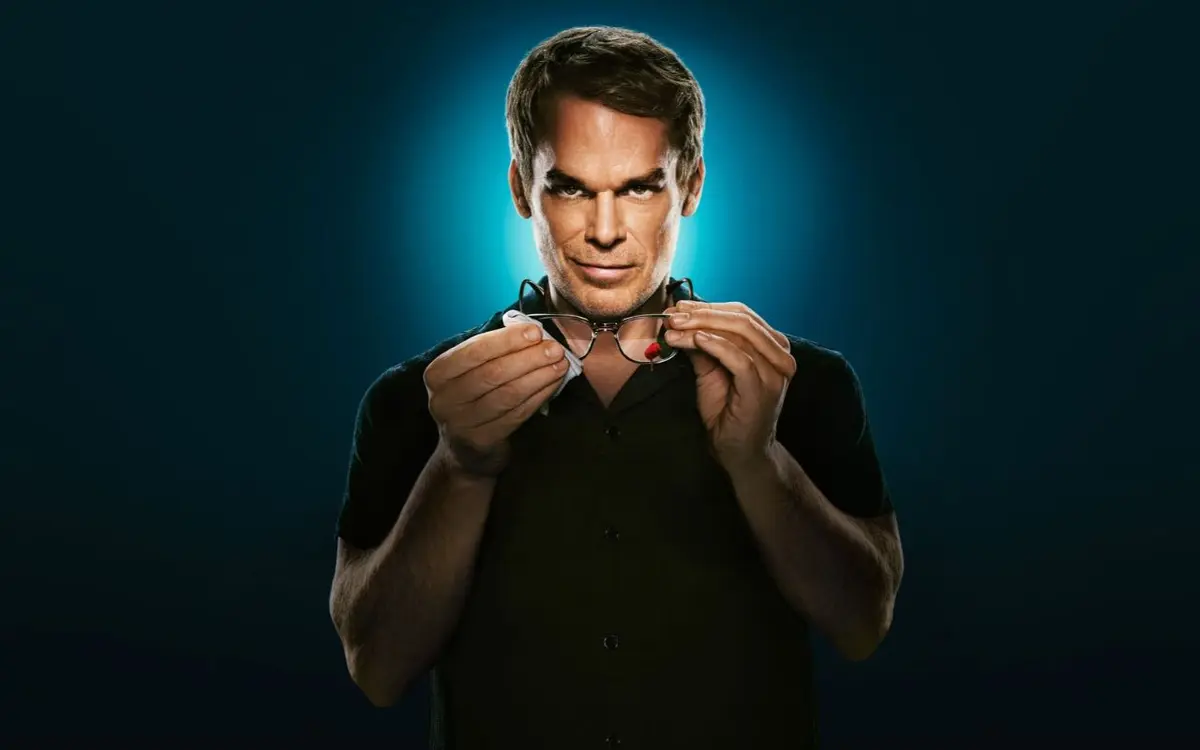
Paramount+ brings back Dexter: Resurrection for a sophomore run that lands on screens on October 30, 2026. Under the steady hand of creator Clyde Phillips, the series follows Dexter Morgan—now living under a new alias—to grapple with a full‑blown midlife crisis while striving to keep his homicidal instincts hidden. The opening episode drops viewers straight into a mundane yet telling moment: a bustling gym where strangers freeze over breaking news of a brutal killing, whereas Dexter stays glued to his treadmill routine. That stark juxtaposition sets the tone for a narrative that leans on dry wit, inner monologue, and a simmering yearning for external validation. As our antihero begins to crave applause beyond his internal soundtrack, the show pushes the familiar formula into riskier territory, balancing procedural beats with character‑driven tension.
Synopsis
Season 2 picks up after a sizable time jump that propels Harrison, Dexter’s son, into the NYPD fresh from the academy. While Dexter continues his rideshare gig and secretly follows the moral code instilled by his late mentor Harry, the world around him shifts: younger rivals emerge, old foes resurface, and personal loyalties clash. The central thrust revolves around Dexter’s desire for recognition—a longing that fuels both dark humor and uneasy introspection. Without giving away specific twists, the season weaves together police investigations, familial friction, and the ever‑present question of how long a man can compartmentalize his urges before the façade cracks.
Performances
Michael C. Hall returns with the same restrained precision that made his portrayal iconic. His deadpan narration continues to serve as the audience’s secret confidant, delivering sardonic observations that feel both intimate and unsettling. Hall’s physicality—subtle shifts in posture when Dexter’s composure wavers—adds layers to a character who is simultaneously calculating and vulnerable.
Jack Alcott steps into Harrison’s shoes with earnest conviction, portraying a young officer torn between filial duty and professional integrity. His scenes with Hall crackle with generational friction, hinting at a rivalry that could define the arc.
Supporting turns enrich the tableau: Desmond Harrington’s Joey Quinn arrives as a haunted former detective whose ambiguous motives keep Dexter guessing; Brian Cox lends gravitas to the spectral presence of Harry, offering paternal counsel that feels both comforting and manipulative; Uma Thurman’s Charley introduces a slick wildcard whose motives blur the line between ally and enabler. Each performance contributes to a mosaic where every interaction hints at deeper stakes without tipping into melodrama.
Behind the Lens
Clyde Phillips’ stewardship ensures continuity while allowing fresh stylistic experiments. The cinematography leans into cold, fluorescent lighting during gym and precinct sequences, amplifying the sense of isolation that permeates Dexter’s psyche. Conversely, night‑time drives through the city are bathed in neon, underscoring the duality of his public façade and nocturnal compulsions.
Editing employs judicious jumps—most notably the multi‑year leap that fast‑tracks Harrison’s career—keeping the narrative brisk yet purposeful. Sound design remains a silent narrator: the low hum of a treadmill, distant sirens, and the occasional crackle of Hall’s voiceover work together to reinforce the show’s tonal balance between procedural grit and dark comedy.
The writing team smartly revisits motifs from the original series—Harry’s advisory voice, the “code,” and Dexter’s relentless need for control—while threading in contemporary anxieties about aging relevance and legacy. The result feels both nostalgic and forward‑looking, a deliberate attempt to expand the mythos without retreading familiar ground.
Final Verdict
Dexter: Resurrection’s second season succeeds in delivering what fans crave—sharp dialogue, moral ambiguity, and that signature blend of horror and humor—while pushing the protagonist into emotionally uncharted waters. The midlife‑crisis angle adds a palpable urgency, transforming Dexter’s internal monologue from a mere comic device into a genuine plea for acknowledgment.
Performances remain uniformly strong, with Hall anchoring the chaos and newer cast members injecting fresh tension. Behind the camera, Phillips and his crew maintain a sleek, professional aesthetic that serves the story’s shifting tones.
Minor shortcomings appear in the pacing of several subplots; some intriguing threads—such as Quinn’s murky agenda or the looming threat of the Five Borough Killer—receive tantalizing hints but lack the runway to fully blossom. Nonetheless, the season’s strengths outweigh these hiccups, delivering an engaging watch that satisfies longtime devotees and invites newcomers to ponder the cost of seeking applause in a life built on secrecy.
Overall, Dexter: Resurrection Season 2 earns a solid recommendation for anyone craving a smart, character‑driven thriller that isn’t afraid to let its antihero stare into the mirror and ask, “Do I deserve a round of applause?”