

Netflix’s latest Korean offering, Dead‑End Job, blends office drudgery with uncanny terror to create a viewing experience that feels both familiar and unsettling. Directed by Kim Da‑min and crafted by writer Han Jun‑hee, the series follows a financially strained young man who accepts a seemingly lucrative gig—only to discover every shift hides a supernatural twist. Its mix of suspense, dry humor, and genuine sibling chemistry makes it stand out in a crowded genre, inviting viewers to question how far desperation can push ordinary people.
Synopsis
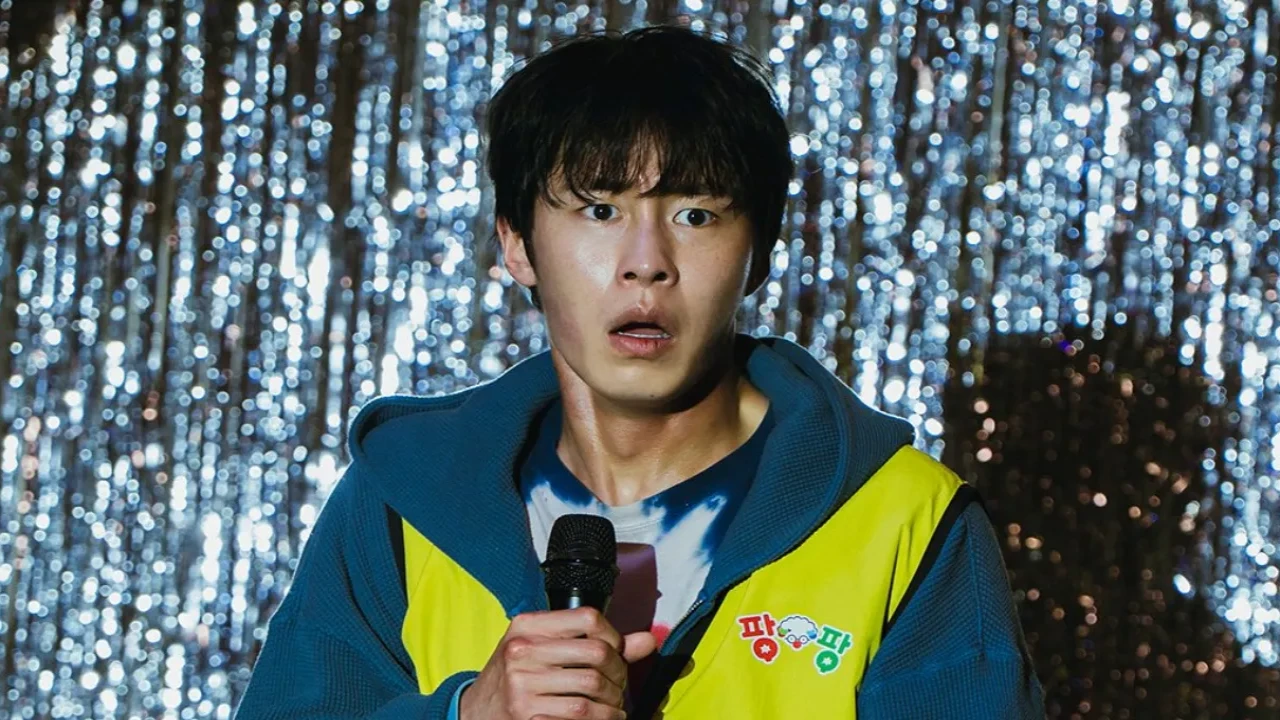
Byeon Hyeok‑jun (Lee Jae‑wook) loses his savings in a rental scam and spirals toward debt. An enigmatic advertisement for the Spider Staffing Agency promises astronomical pay for temporary work, prompting him to take a night‑shift position at a convenience store. What begins as a mundane job rapidly reveals itself as a portal to bizarre tasks governed by cryptic rules, each involving otherworldly entities. As Hyeok‑jun navigates these perilous assignments, his diligent sister Ji‑yon (Kim Min‑ha) and the tenacious investigator Yeon‑joo (Go Min‑si) launch their own probe into the agency’s true purpose, uncovering a pattern of missing persons linked to the strange labor market. The narrative escalates without resorting to cheap jump‑scares, instead letting everyday settings feel unnervingly alien.
Performances
Lee Jae‑wook anchors the series with a nuanced portrayal of Hyeok‑jun—his fear, frustration, and occasional dark humor feel authentic rather than heroic. Kim Min‑ha shines as Ji‑yon, delivering a calm, analytical counterpoint to her brother’s panic; her quiet determination adds emotional weight to the sibling bond. Go Min‑si’s Yeon‑joo is deliberately ambiguous, her motives shrouded in subtlety that keeps viewers guessing whether she is ally or antagonist. Lee Hee‑joon’s enigmatic manager exudes a chilling composure, making every line about “generous compensation” feel laced with ulterior intent. Even the cameo by Choi Hyun‑wook leaves a memorable impression, reinforcing the show’s knack for casting performers who elevate modest material into compelling storytelling.
Behind the Lens
Kim Da‑min’s direction leans into atmospheric tension, using tight framing and muted lighting to transform ordinary locales—convenience aisles, milk delivery routes, modest theater stages—into stages of unease. Han Jun‑hee’s script balances procedural mystery with moments of levity, allowing the horror to emerge from situational absurdity rather than gratuitous gore. The production design cleverly juxtaposes sterile corporate aesthetics with grotesque, otherworldly details, underscoring the series’ commentary on exploitative labor practices.
Cinematography employs shallow depth of field during supernatural encounters, heightening the sense that danger lurks just beyond the viewer’s peripheral vision. Sound design further amplifies unease, employing low drones and sporadic, distorted whispers that suggest unseen presences without over-relying on visual effects—a choice that, despite occasional CGI hiccups, largely sustains immersion.
Final Verdict
Dead‑End Job treats its premise with respect, letting character desperation drive the terror rather than relying on shock alone. The sibling dynamic grounds the supernatural chaos in relatable emotion, while the enigmatic supporting cast fuels ongoing intrigue. Although a few visual effects appear undercooked and some lore remains purposely vague, these minor flaws do not detract from the overall appeal. For audiences seeking a binge‑worthy blend of mystery, workplace satire, and heartfelt drama, this series offers ample spine‑tingling moments and thoughtful commentary on modern economic strain. In short, Dead‑End Job is a smart, engaging addition to Netflix’s K‑drama lineup—well worth the watch for anyone who enjoys horror that thinks as much as it frightens.