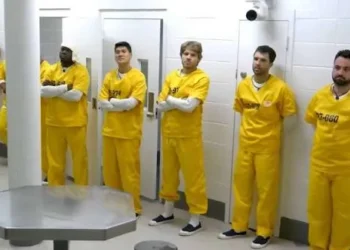



When a Bad Movie Crosses the Line
The latest release Citizen Vigilante is instantly recognizable as another low‑budget effort from director Uwe Boll, a filmmaker notorious for a string of critically panned titles. Yet this particular project diverges from Boll’s usual faux‑artistic failures: it actively embeds extremist ideology within its narrative, turning a sub‑par exploitation thriller into a public‑safety liability.
The Director’s Troubled History
Uwe Boll built his early reputation on a succession of abysmal video‑game adaptations financed through German tax shelters. After a brief retreat into the restaurant business in 2016, he resurfaced in 2022, now operating without the same fiscal loopholes. The result is a series of films that trade on sensationalism rather than craftsmanship. Citizen Vigilante exemplifies this shift, using sensational violence to mask a clear‑cut political agenda.
A Misguided Comeback for a Castaway Star
The film serves as a comeback vehicle for Armie Hammer, whose career in the United States stalled after multiple sexual‑misconduct accusations. In Citizen Vigilante, Hammer portrays “Sanders,” an expatriate American who decides that the only way to protect Western societies is to execute “criminal migrants” outside the law. The premise reads like a twisted grind‑house fantasy, yet it is presented without irony, effectively normalizing violent vigilantism.
Plot Overview (Without Spoilers)
Citizen Vigilante follows Sanders after his wife is murdered in a crime attributed to an immigrant. Fueled by grief and social‑media hype, he launches a murderous crusade against migrants and corrupt judges across an unnamed European setting. The film deliberately avoids naming a specific country, suggesting that the depicted chaos could erupt anywhere in Europe.
The Film’s Propaganda Mechanics
- Heroic Framing of Violence – Sanders is celebrated by influencers and ordinary citizens within the film, painting his extrajudicial killings as a necessary correction to a “failed justice system.”
- Demonization of Migrants – The storyline repeatedly links immigration with crime, reinforcing stereotypes without presenting any counter‑argument.
- Unchallenged Ideological Rhetoric – Dialogue about “contamination” by unchecked immigration and targeted criticism of Islam is delivered as fact, never subjected to debate.
- Financial Motive for Vigilantism – Sanders funds his campaign by extracting rent from inherited properties, a detail presented matter‑of‑factly, underscoring the film’s lack of self‑awareness.
These elements combine to transform what could have been a flimsy action vehicle into a thinly veiled recruitment tool for extremist sentiment.
Why Germany Blocked the Movie
Germany’s film‑rating authority (FSK) refused to assign any age classification to Citizen Vigilante, effectively barring public exhibition. Three legal grounds justified the decision:
- Prohibition of Vigilantism in Media – German law treats glorification of self‑justice as a punishable offense. The film’s hero is unequivocally portrayed as a justified vigilante.
- Incitement and Hate Speech – The narrative criminalizes a specific demographic—immigrants—mirroring the nation’s strict statutes against Volksverhetzung (incitement to hatred).
- Youth‑Protection Concerns – The graphic, unmediated violence and extremist messaging pose a risk of desensitization, prompting the FSK to invoke the Jugendschutzgesetz (Youth Protection Act).
The board’s decision underscores the distinction between artistic expression and content that threatens public order.
Critical Reception: Terrible Craft, Dangerous Message
Critics have already labeled Citizen Vigilante as “politically charged power fantasy” and “a hazardous piece of propaganda.” The film’s technical deficiencies—stilted dialogue, inconsistent editing, and amateurish special effects—are eclipsed by the ethical alarm it raises. Reviewers argue that the movie is not merely “bad”; it is actively harmful because it supplies a cinematic validation for extremist vigilante ideology.
The Wider Debate: Censorship vs. Free Speech
The controversy surrounding Citizen Vigilante has reignited discussions about European censorship. Director Uwe Boll claims the FSK’s rating refusal is a politically motivated stunt aimed at silencing debate on migration. Conversely, regulators stress their mandate to protect citizens from media that glorifies hate‑driven violence. The impasse highlights the delicate balance between safeguarding free expression and preventing the spread of extremist propaganda.
A Film That Should Remain Unseen
While Citizen Vigilante may attract viewers seeking cheap action, its underlying agenda transforms it into a public‑safety concern. The film’s deliberate glorification of extrajudicial murder, its unqualified vilification of migrants, and its misuse of a real‑world tragedy all point to a work that goes beyond poor filmmaking into the realm of dangerous incitement. The German rating board’s refusal to certify the movie appears justified, and the broader industry would do well to treat this case as a warning about the responsibilities that accompany cinematic storytelling.