


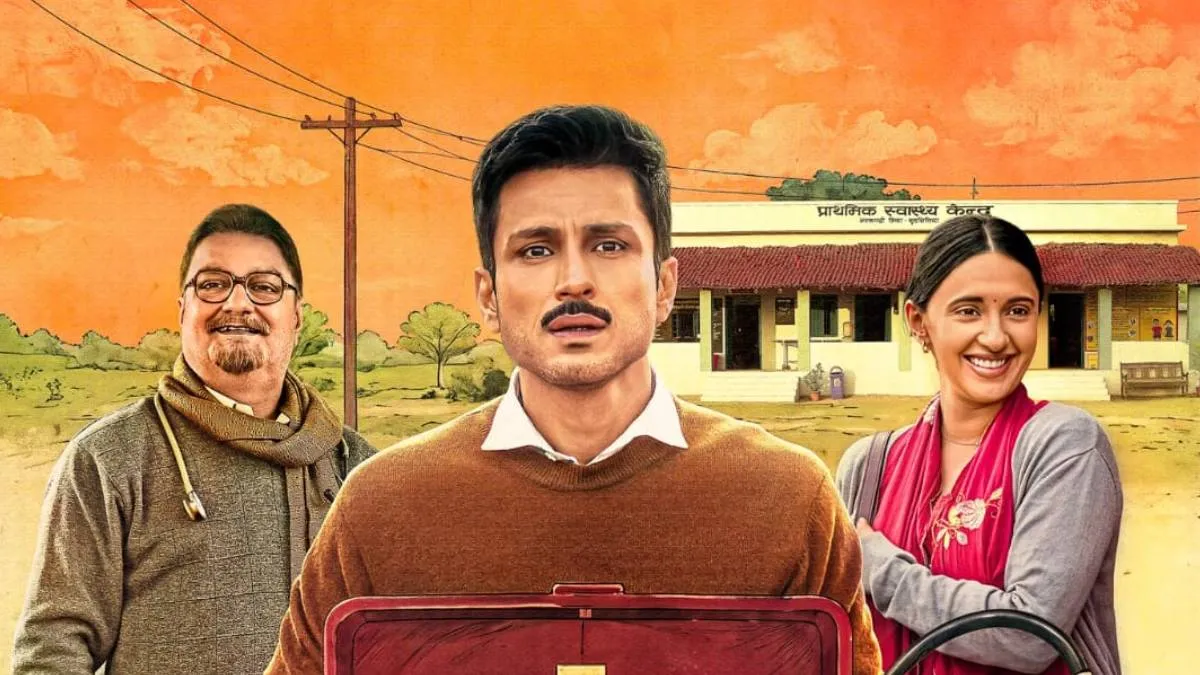
The rural healthcare landscape in India has rarely been depicted with such authenticity and warmth as in Gram Chikitsalay Season 2. This TVF production, streaming exclusively on Prime Video, returns to the picturesque village of Bhatkandi, where Dr. Prabhat Sinha continues his unwavering mission to transform a struggling Primary Health Centre into a beacon of hope for the community. Building upon the foundation laid by its predecessor, the second season delves deeper into the challenges faced by healthcare professionals in rural India, weaving together humor, heartfelt moments, and sharp social commentary.
The series strikes a delicate balance between entertaining storytelling and thought-provoking narratives, making it a standout addition to the Indian web series ecosystem. Whether you are a fan of the first season or new to this world, Season 2 offers a rewarding viewing experience that resonates on multiple emotional levels.
Synopsis
Gram Chikitsalay Season 2 picks up directly where the first installment left off, with the Bhatkandi PHC finally showing signs of progress. Patients are returning, trust is being gradually rebuilt, and Dr. Prabhat appears closer than ever to achieving his dream of transforming the neglected facility into a model healthcare centre. However, his journey remains fraught with obstacles that test both his professional skills and personal resolve.
As the narrative unfolds, Dr. Prabhat encounters a myriad of new challenges, including persistent medicine shortages, crippling bureaucratic red tape, the complex dynamics of village politics, and deeply ingrained societal beliefs that resist change. The story excels at highlighting the tension between urban idealism and the harsh realities of rural administrative systems. Rather than relying on dramatic twists or sensationalized plot points, the series focuses on everyday struggles and small victories, creating an authentic and relatable portrayal of healthcare in rural India.
The latter episodes deliver a particularly strong emotional payoff, adding warmth to the narrative and ensuring that the season remains as touching as it is entertaining. The storytelling approach emphasizes grounded realism, allowing viewers to connect deeply with the characters and their journeys.
Performances
Amol Parashar once again delivers a sincere and nuanced performance as Dr. Prabhat, anchoring the series with remarkable consistency. He masterfully portrays the character’s optimism, frustration, and determination, making Dr. Prabhat a character easy to root for throughout the season. His performance ensures that the emotional core of the series remains intact, providing a solid foundation upon which the entire narrative rests.
Vinay Pathak brings exceptional humor and satirical edge to the narrative, providing moments of levity that balance the series’ more serious themes. His comic timing remains impeccable, creating some of the most memorable scenes in the season. Anandeshwar Dwivedi continues to shine in his supporting role, delivering wit and charm in equal measure.
Akansha Ranjan Kapoor offers dependable support as Dr. Gargi, adding necessary balance to the ensemble cast. Dinesh Lal Yadav delivers a noteworthy performance, bringing depth and noticeable character growth over the course of the season. The ensemble work together seamlessly, creating a cohesive unit that feels authentic and believable.
Behind the Lens
One of the show’s most significant strengths lies in its exceptional writing quality. The dialogues are witty, natural, and deeply rooted in the rhythms of rural life. The humor never feels forced and often emerges organically from the characters and their situations, creating moments of genuine laughter that enhance rather than distract from the narrative.
Director Lalitam Tiwari adopts a restrained directorial approach that suits the material perfectly. He allows characters and their relationships to drive the narrative, resulting in numerous heartfelt and amusing moments. The comic exchanges involving key characters remain particularly enjoyable, adding depth to the overall viewing experience.
From a technical standpoint, the season maintains a grounded aesthetic that complements the storytelling. The cinematography captures the simplicity and charm of village life with warmth and authenticity. Bhatkandi feels lived-in and believable, helping immerse viewers completely in the story. The production design effectively captures the reality of a rural health centre, while the sound design enriches the atmosphere with subtle ambient sounds that transport viewers to the location.
Some minor flaws exist, including certain scenes that linger longer than necessary, and the possibility that a stronger overarching narrative thread could have enhanced the overall impact. However, these shortcomings do not significantly diminish the viewing experience.
Final Verdict
Gram Chikitsalay Season 2 successfully builds upon the strengths of its predecessor, delivering a charming, thoughtful, and thoroughly enjoyable viewing experience. While not flawless, this season stands as a testament to the power of heartfelt storytelling in Indian television.
Supported by strong performances, sharp humor, and meaningful social commentary, this series portrays the reality of the rural healthcare system with honesty and sincerity. It addresses serious issues including healthcare accessibility, corruption, misinformation, and social stigma without becoming overly preachy or didactic. For viewers seeking a drama that is both lighthearted and socially conscious, this season offers rich thematic depth, genuine warmth, and a sense of hope that resonates long after the credits roll.
The series comes highly recommended for anyone interested in authentic Indian storytelling that tackles important social issues while remaining entertaining and emotionally engaging.