

When Chapter 51 premiered at New York City’s Lincoln Square in April 2025, it arrived with a buzz built on novelty rather than narrative depth. The indie thriller‑mockumentary, distributed worldwide by Cineverse, rolled out theatrically and across premium video‑on‑demand platforms on June 23, 2026. The story purports to uncover the dark workings behind a fictional $500 million tentpole titled Dissident, where a series of gruesome on‑set murders of actresses sparks a chilling post‑production investigation into Hollywood’s obsession, madness, and excess.
Yet, for all its ambition, Chapter 51 fails to transcend its gimmick. The film masquerades as a daring B‑movie while, in fact offering little more than a series of superficial jokes and over‑inflated superlatives. This review dissects the production, acting, and behind‑the‑scenes decisions to determine whether the picture merits attention or merely a passing chuckle.
Synopsis
The faux‑documentary follows an FBI agent who sifts through behind‑the‑scenes footage of the ill‑fated blockbuster Dissident. The central mystery revolves around multiple actresses who each portrayed the same character—only to meet brutal ends during production. As the agent digs deeper, the narrative spirals into a critique of studio greed, director ego, and the absurdly exaggerated world of modern Hollywood. The plot serves as a vehicle to lampoon the industry’s obsession with superlatives, casting the film’s fictional director, agents, and stars as caricatures of excess.
Performances
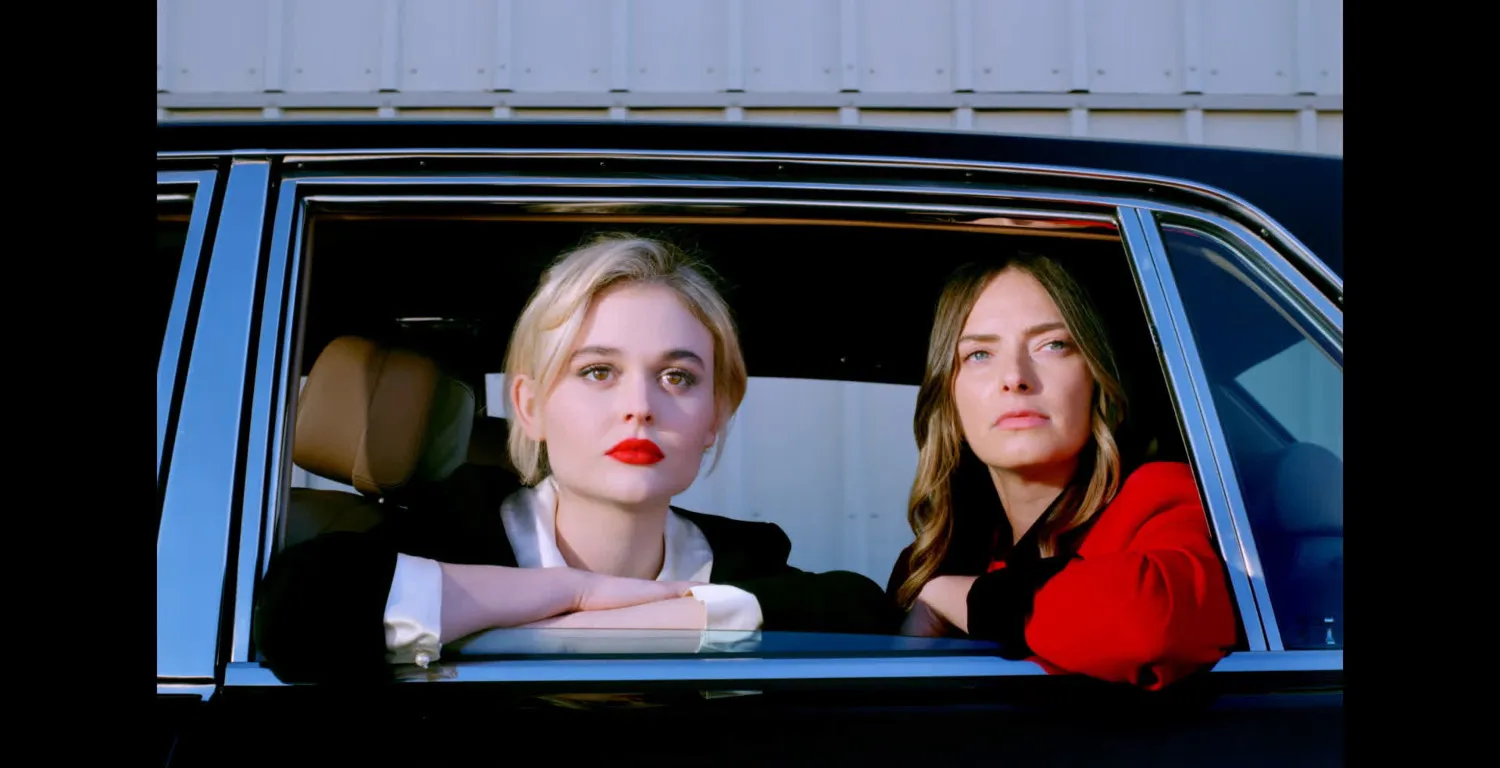
The cast—including Abigail Breslin, Allie Marie Evans, and a brief but wasted appearance by Colman Domingo—delivers performances that feel more like sketches than fully realized characters. Each actor is assigned a single, often obnoxious trait: arrogance, depravity, or cloying vanity. The result is a parade of one‑dimensional figures that never allows the audience to form any emotional connection.
The lack of depth is especially glaring when the film attempts to blend comedy with a darker murder mystery. The FBI agent, ostensibly the narrative’s anchor, is relegated to a narration role that offers little insight beyond expository recaps. Meanwhile, the actresses’ portrayals are reduced to fleeting glimpses of terror, leaving the viewer to wonder if the performers were constrained by a script that values style over substance.
Even seasoned actors such as Domingo are given hardly any room to showcase their talent, a missed opportunity that underscores the film’s overall shallowness. The wooden acting thus becomes a symptom of a broader problem: a screenplay that prioritizes punchy one‑liners over genuine character development.
Behind the Lens
Director Tyler Shields leans heavily on a technical gimmick to compensate for narrative voids. Chapter 51 was shot across a medley of film formats—8mm, 16mm, 35mm, and 65mm—each chosen to create a distinct visual texture. While the intention is to evoke the raw authenticity of a documentary, the final product feels more like a marketing stunt than an artistic statement.
The film’s marketing itself centers on this multiformat approach, mirroring the strategy employed by In a Violent Nature, which also rewrote genre conventions by adopting a killer’s‑eye perspective. However, where In a Violent Nature used its unique viewpoint to deepen suspense, Chapter 51 uses its format mix merely as a visual veneer. The result is a picture that constantly reminds viewers of its premise—the greatest film ever made, starring the greatest actresses, directed by the greatest director—but never delivers on the promise of a compelling story.
Shields’s direction also leans into exaggerated caricature. The fictional director of Dissident is portrayed as a brute whose on‑screen cruelty becomes the central joke. This over‑the‑top characterization reads as a thinly veiled critique of Hollywood power brokers, yet the satire feels forced and didactic. The film’s runtime, stretching to two hours, becomes a marathon of repetitive jokes and exposition, each scene echoing the previous one’s lack of subtlety.
Final Verdict
Chapter 51 ultimately falls into the same traps that plague amateur student projects: it masquerades as a grand artistic endeavor while relying on artsy shots and contrived plot devices to justify its existence. The narrative is drowned in an avalanche of expository dialogue, making each scene feel like a social‑media clip with a robotic narrator summarizing the story.
The film’s attempt to marry comedy with a murder mystery collapses under the weight of its own superficiality. Without meaningful subtext or character depth, the thriller elements fail to engage true‑crime enthusiasts or fans of investigative drama. The overuse of definitive language—“the greatest,” “the best”—becomes a parody of Hollywood’s own self‑aggrandizing rhetoric, but the joke loses its punch after the first fifteen minutes.
While the multiformat cinematography offers occasional visual intrigue, it cannot salvage a story that lacks substance. The performances, though not entirely devoid of effort, are stunted by a script that reduces actors to caricatures. The brief cameo by Colman Domingo, despite his stature, feels like a token gesture rather than a meaningful addition.
In sum, Chapter 51 is a gimmick‑driven, faux‑documentary misfire that trades genuine mystery and character depth for obnoxious stereotypes and a contrived plot. It never manages to transcend its own marketing hook, leaving viewers with a film that is, at best, an interesting experiment in format—and, at worst, a forgettable footnote in the annals of indie thrillers.