

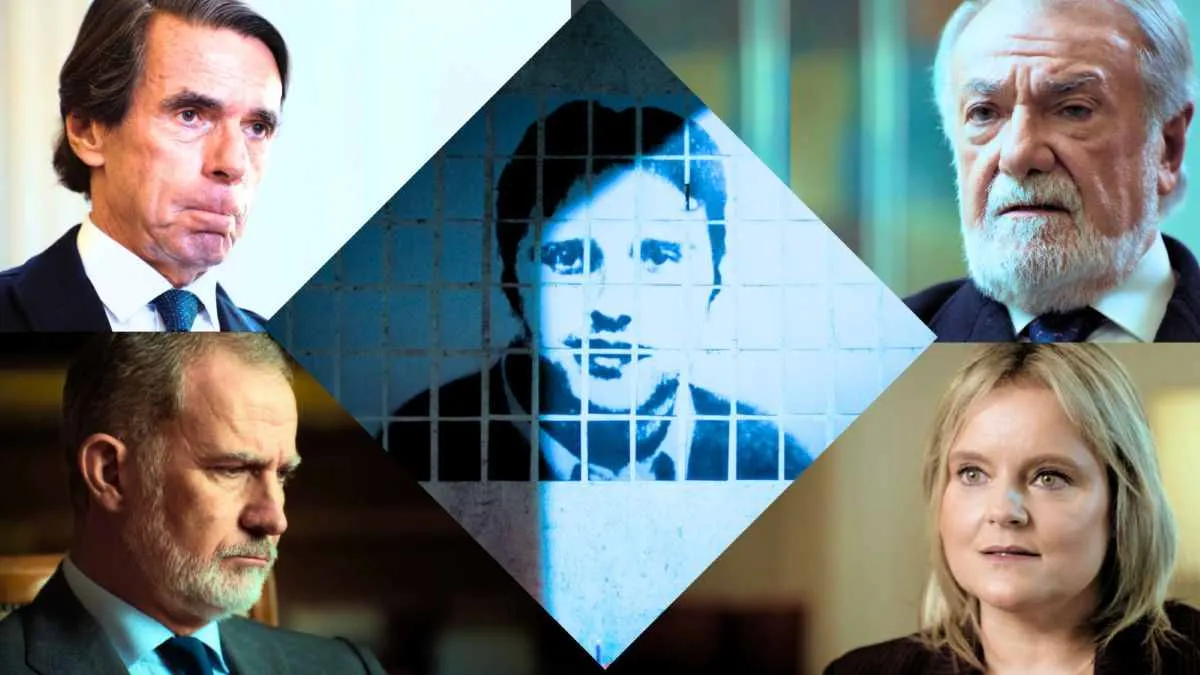
The landscape of modern Spanish history is scarred by the events of July 1997, a period defined by the abduction and subsequent murder of a young municipal councilor. The documentary Miguel Ángel Blanco: The 48 Hours that Changed Spain, helmed by directors Juanjo Lopez and Jon Sistiaga, offers a somber, meticulously crafted look at this watershed moment. Available on Netflix, the film serves as both a historical record and a deeply human archive of a tragedy that forever altered the soul of a nation.
Beyond the Political Narrative
For those unfamiliar with the complexities of Basque separatism and the dark history of the militant group involved, the documentary is an accessible entry point. It avoids the pitfall of assuming prior knowledge, opting instead to build the historical context brick by brick. Crucially, the filmmakers prioritize the humanity of the victim over the political turmoil. We see Miguel not merely as a piece in a geopolitical stalemate, but as a drummer, a devoted brother, and an ambitious professional. By grounding the narrative in his personal life, the film ensures that his eventual murder feels like a devastating loss of a human being rather than just another entry in a history textbook.
A Countdown to Tragedy
The structure of the documentary is excruciating. Following the release of another hostage held by the same organization, the kidnappers issued a brutal ultimatum: if the state did not relocate all imprisoned militants to the Basque region within two days, Miguel would be executed. Because history has already written the ending, there is no false suspense. Instead, the tension is derived from the frantic, desperate efforts of those watching the clock tick down. Even with the outcome known, the documentary captures the agonizing helplessness of a country paralyzed by an impossible demand.
Voices from the Frontlines
The strength of this production lies in its exhaustive collection of testimonies. By weaving together the recollections of journalists, police investigators, politicians, and family members, the film creates a multi-dimensional mosaic of the period. The inclusion of individuals who secretly attempted to reach out to the kidnappers to broker a deal—a narrative previously shrouded in speculation—adds a layer of untold history that deepens our understanding of those two days. The raw, unfiltered emotion of his family, nearly three decades later, provides a sense of dignity and resilience that scripted narration simply could not replicate.
A Catalyst for Unity
Perhaps the most haunting yet moving sequences are the archival clips of the aftermath. After the news of his death broke, the reality of the terror finally hit home, triggering an unprecedented wave of public outcry. Millions of citizens took to the streets, effectively ending the silence or complacency that had previously allowed the group to operate in the shadows. The documentary illustrates that Miguel’s passing became the spark that ignited a collective refusal to accept violence, ultimately marking the beginning of the end for his captors.
A Legacy of Remembrance
The film concludes by tracking the path to justice, documenting the eventual conviction of the perpetrators. Yet, it wisely avoids a “happy ending,” acknowledging that no legal outcome can compensate for the stolen life of a young man. Miguel Ángel Blanco: The 48 Hours that Changed Spain stands as a poignant reminder that terrorism is not just a political concept—it is a devastating individual reality. It is a respectful, profound, and deeply moving piece of cinema that demands to be seen.