

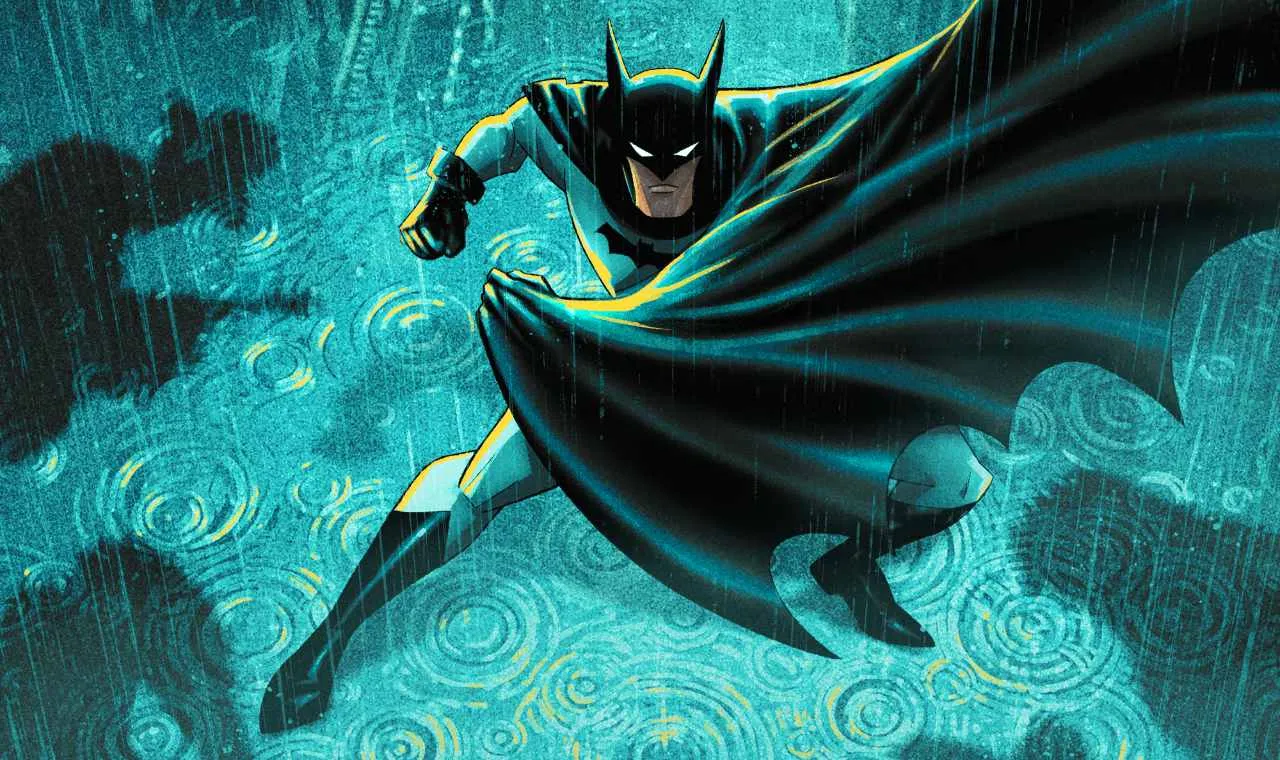
The animated reinterpretation of Gotham’s dark knight returns with a second installment that pushes the franchise into fresh thematic territory. Premiered exclusively on Amazon Prime Video on July 31, 2026, Batman: Caped Crusader Season 2 leans harder into a retro‑1940s aesthetic while interrogating the city’s systemic rot. This review breaks down the season’s narrative thrust, character work, production choices, and overall impact, offering a professional take for general readers who want to know whether the new chapters are worth their time.
Synopsis
Set against a stylized, rain‑slicked Gotham that feels lifted from a pulp magazine, the season follows the Caped Crusader as he confronts a new wave of criminal enterprises that are less about flamboyant villains and more about corrupted institutions. Media manipulation, bureaucratic negligence, and economic desperation fuel the chaos, forcing Batman to reconsider the efficacy of solitary vigilantism.
Familiar faces appear in reimagined roles—Barbara Gordon as a formidable attorney, Harleen Quinzel as a sharp strategist, and a restrained Joker whose silence amplifies his menace—while the series weaves gangster drama, sci‑fi flourishes, procedural tension, and horror motifs into an episodic anthology feel. The core question remains: can a lone hero effect lasting change when the city itself is rigged against him?
Characters
Voice work continues to be a strong suit of the series. The titular Batman, voiced with a measured gravitas, retains the stoic resolve fans expect, though the writing deliberately keeps his interiority subdued to highlight the surrounding world. Supporting cast members shine in their reconceived parts: the actress portraying Barbara Gordon delivers a commanding courtroom presence that underscores her newfound legal authority; the performer behind Harleen Quinzel brings a cool, calculating edge that redefines the character as an institutional player rather than a chaotic sidekick.
The Joker, voiced with minimal dialogue, relies on subtle inflection and pauses to convey an unsettling omnipotence, proving that restraint can be more terrifying than manic laughter. Even secondary figures—Alfred, Commissioner Gordon, and Detective Montoya—receive nuanced turns that reinforce the season’s theme of collective resistance.
Behind the Lens
Visually, the show stays true to the angular, silhouette‑driven style associated with Bruce Timm’s earlier work, yet it experiments with texture and depth. Narrow interrogation rooms, sprawling train yards, neon‑lit news studios, and rain‑slick alleys serve as mutable backdrops that allow each episode to slip between gangster noir, pulp sci‑fi, procedural, and horror without losing its period anchor. Title cards mimic vintage pulp magazines, reinforcing the anthology vibe.
Animation quality, however, shows occasional inconsistencies. Characters sometimes appear to glide over textured backgrounds rather than inhabit them, and certain computer‑generated vehicles lack the tactile weight of hand‑drawn counterparts—most evident in the Roxy Rocket chase sequence, where the motion feels borrowed from a different pipeline. These moments breakages are noticeable but do not derail the overall aesthetic cohesion.
Frederik Wiedmann’s orchestral score supplies suspense and nocturnal unease, echoing the series’ darker turns. While effective, it rarely reaches the melodic distinctiveness of Shirley Walker’s iconic Batman: The Animated Series soundtrack, a comparison that feels inevitable given the visual homage to that classic. The music supports the mood but does not become a memorable character in its own right.
Final Verdict
Batman: Caped Crusader Season 2 succeeds in redefining Gotham as a contested civic landscape where crime is a symptom of institutional failure rather than the product of isolated madmen. By reshaping familiar allies into empowered professionals and presenting a Joker whose silence amplifies dread, the series adds layers of social commentary that elevate it beyond a simple superhero romp. The visual ambition is laudable, and the genre‑blending episodic structure keeps the viewing experience fresh.
Nonetheless, the show stumbles in its central protagonist. Batman remains comparatively static, his arc limited to reluctant acknowledgment of the need for alliance—a choice that feels like a missed opportunity to deepen the mythos. Animation hiccups and a score that lacks a signature theme further prevent the season from reaching the pinnacle of its potential.
Overall, the season is an ambitious, uneven but compelling addition to the franchise. It rewards viewers who appreciate world‑building and thematic depth, even if the Dark Knight himself stays somewhat in the shadows. For fans of noir‑tinged animation and socially aware storytelling, Batman: Caped Crusader Season 2 is worth a watch on Amazon Prime Video.