

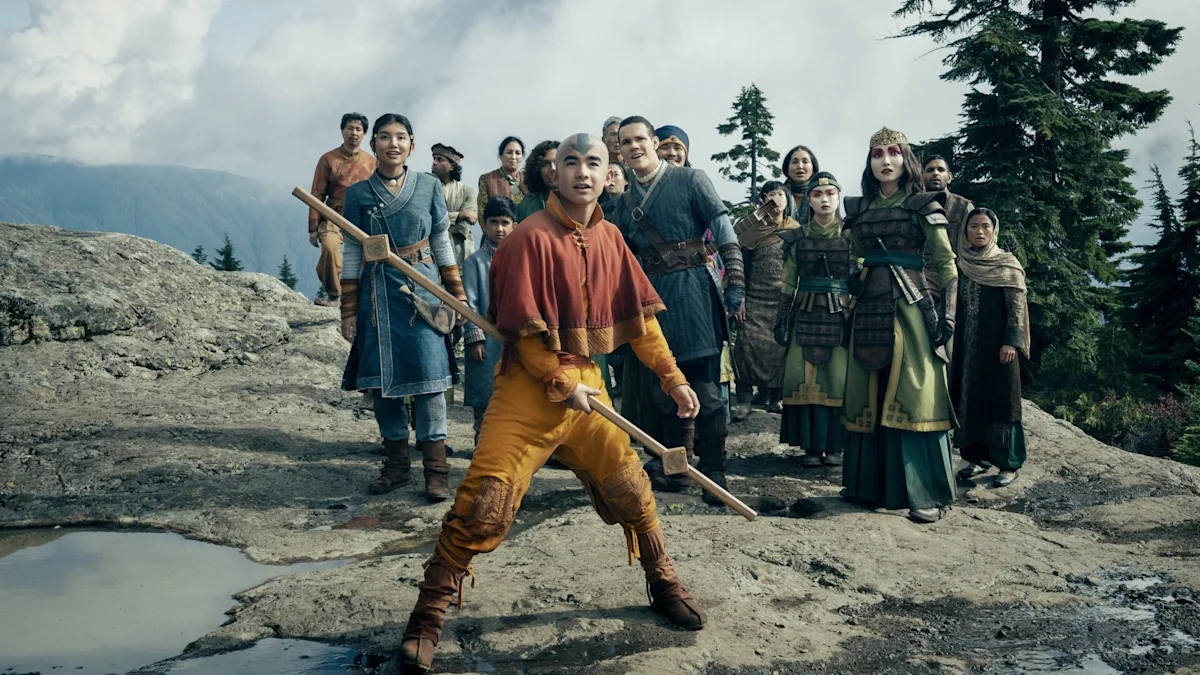
The Netflix adaptation of Avatar: The Last Airbender entered its second season amid a storm of behind‑the‑scenes upheaval. The original creators Michael Dante DiMartino and Bryan Konietzko, who shaped the animated classic and its sequel The Legend of Korra, stepped away from the project in 2020, citing creative differences that surfaced before a single frame was shot. Their departure left a vacuum that Albert Kim filled as showrunner for the first season, only to step down himself before season two production commenced. Executive producers Jabbar Raisani and Christine Boylan then took over the helm, navigating a landscape complicated further by the network’s decision to trim the episode order from eight to seven instalments.
This turnover at the top, combined with a condensed episode count, sets the stage for a season that strives to honour the source material while wrestling with the practical constraints of a live‑action format. The result is a mixed bag: ambitious visual world‑building and strong musical cues clash with narrative shortcuts and a feeling that the story is being compressed beyond its natural limits.
Synopsis
Avatar: The Last Airbender Season 2 resumes moments after the hard‑won victory in the Northern Water Tribe. Avatar Aang, alongside loyal allies Katara and Sokka, embarks on a new quest to rally the Earth Kingdom’s ruler to the fight against Fire Lord Ozai. Along the way, Aang encounters Toph, a defiant earthbending prodigy who agrees to train him in the art of stone, expanding his elemental repertoire. Meanwhile, Prince Zuko continues his relentless pursuit of the Avatar, but his internal conflict deepens as he questions his loyalty to his father’s tyranny. The arrival of his cunning sister, Princess Azula, adds a new layer of danger, forcing Team Avatar to confront not only powerful foes but also fractured family dynamics.
The season weaves together familiar arcs from the animated series’ Book Two while tightening the timeline, merging several key locations into a single setting to accommodate the reduced episode count. New viewers receive a streamlined introduction to the world’s politics and magic, while longtime fans notice the omission of some beloved subplots and the introduction of filler‑style scenes that feel unnecessary given the overall brevity.
Performances
The cast delivers a mix of standout moments and uneven notes. Gordon Cormier, now visibly older than his character Aang, brings a earnest intensity to the role, yet his physical maturation occasionally clashes with the script’s desire to keep the Avatar portrayed as a youthful, carefree child. The actor’s growth is evident, and while his performance captures Aang’s moral core, the lack of the original whimsical energy can be distracting.
Miya Cech’s portrayal of Toph is a highlight. She captures the blind earthbending master’s swagger, distinct voice, and adaptive costume with remarkable fidelity to the animated prototype, delivering a performance that feels both fresh and reverent. Kiawentiio and Ian Ousley, portraying Katara and Sokka respectively, deepen their characters’ emotional arcs, offering more nuanced interactions that echo the series’ heartfelt moments. Their chemistry with Cech’s Toph helps anchor the ensemble despite the narrative’s hurried pacing.
Behind the Lens
Visually, the production shines. Grand set pieces, elaborate costumes, and a rich color palette bring the elemental nations to life, while the CGI and VFX teams successfully blend practical environments with magical phenomena, making the bending sequences feel grounded and immersive. The reduced episode count placed added pressure on the crew, yet they maintained a high standard of craftsmanship, particularly in the design of the Fire Nation’s citadels and the Earth Kingdom’s sprawling capitals.
Composer Takeshi Furukawa expands on his Season 1 score, introducing more orchestral swells and subtle leitmotifs that heighten dramatic tension and emotional resonance. His rendition of familiar themes offers nostalgic callbacks for fans, while new motifs accompany the season’s expanded character moments. The music acts as a reliable narrative pillar, often compensating for the story’s occasional structural gaps.
However, the season suffers from editorial decisions that truncate character development. The condensing of plot points, especially the merger of distinct story beats into a single location, shrinks the world’s breadth and makes the journey feel rushed. The loss of an episode, combined with the shift in showrunners, appears to have forced the writers to sacrifice depth for brevity, resulting in a narrative that feels overly streamlined.
Final Verdict
Avatar: The Last Airbender Season 2 offers a visually impressive and musically rich follow‑up that retains the spirit of its animated predecessor, yet the series stumbles under the weight of production turbulence and narrative compression. Strong performances from Miya Cech and the returning cast elevate key moments, while the artistic direction and score provide lasting appeal. However, the accelerated storytelling and the absence of several hallmark arcs may leave both newcomers and devoted fans wanting more depth and fidelity to the original material.
Season 3 will need to re‑balance the scaling of its world, restore the full episode order, and allow the characters the room to breathe and evolve naturally. If the production team can learn from these growing pains, the adaptation still holds the potential to fully realize the mythic universe that has captivated audiences for years.
Also Read:
Netflix Unveils Epic Season 2 Trailer for “Avatar: The Last Airbender”