

A Nightmare That Feels Disturbingly Familiar
Have you ever found yourself wondering: Am I losing my grip on reality, or has everyone else gone completely mad? This is one of those primal fears that lurks beneath the surface of our daily lives—that sinking sensation when the people around you refuse to see what seems painfully obvious, when you feel completely misunderstood, and when you sense undeniable danger closing in while everyone else appears blissfully unaware. The upcoming Apple TV+ adaptation of Cape Fear transforms this collective anxiety into a ten-episode psychological horror experience that will leave you questioning everything.
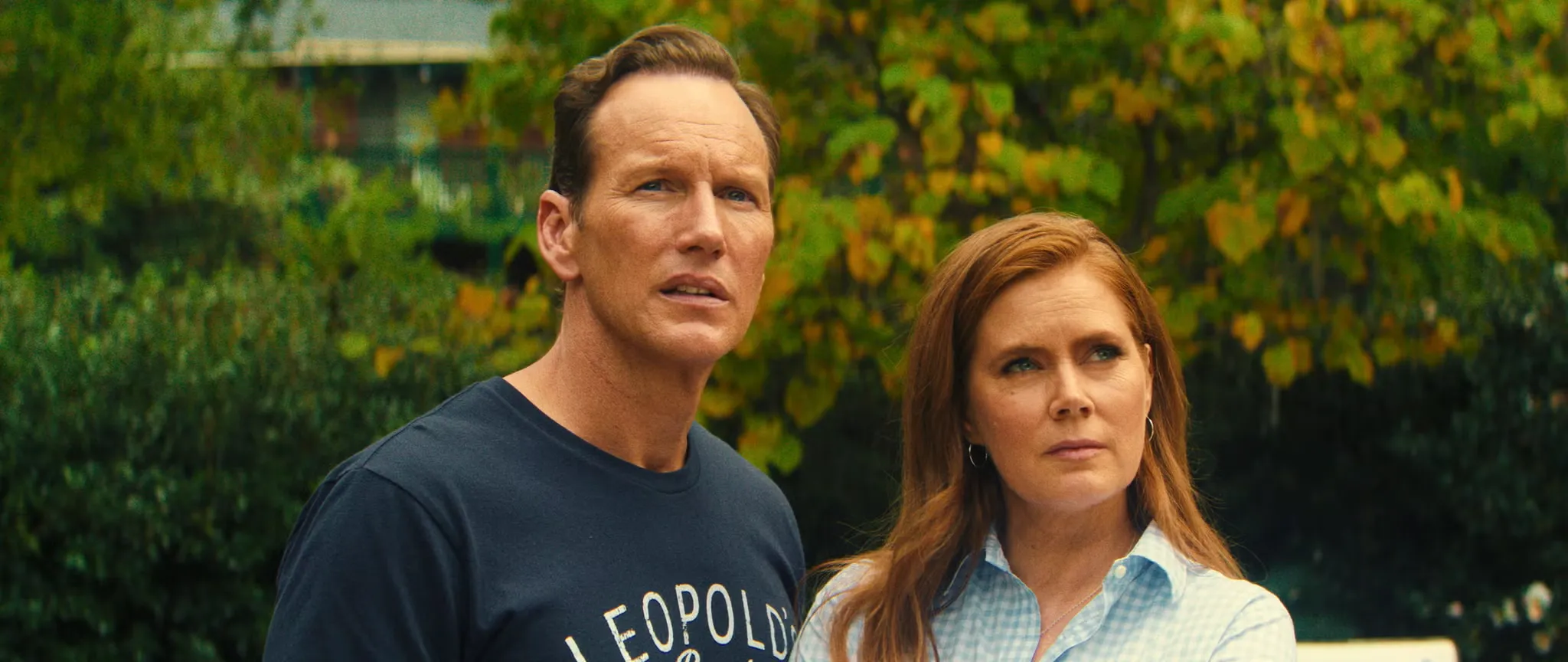
Premiering on June 5, this reimagining takes the classic stalking thriller into terrifying new territory. Gaslighting becomes an all-consuming scorched-earth vendetta that engulfs an ordinary family, headlined by Amy Adams and Patrick Wilson. While the story draws inspiration from a novel published nearly seven decades ago, every contemporary source of modern dread has been woven into this update: artificial intelligence deception, social media manipulation, wrongful accusations, public shaming, and pervasive psychological warfare. The genuine horror lies in the relentless uncertainty of not knowing what new catastrophe might emerge next.
Why This Story Feels Uncomfortably Relevant
Nick Antosca, the showrunner and executive producer who has built a career crafting mind-bending narratives of dread, explains that capturing this atmosphere of uncertainty was the primary motivation for revisiting Cape Fear. The original story has stood for decades as a quintessential example of terrible things happening to seemingly good people.
“For a significant portion of this narrative, there exists genuine uncertainty about the nature of the threat, and we intentionally shift perspectives back and forth,” Antosca shared in an exclusive conversation with Esquire. “That mirrors the atmosphere in which we currently exist. It’s essentially asking: What constitutes truth? What can I authentically believe? I might feel threatened, but am I justified in feeling that way? In various manifestations, we find ourselves grappling with these questions with increasing frequency in modern life.”
The Charismatic Villain Who Mesmerizes Everyone
The central question haunts viewers throughout the series: How do people find this man remotely appealing? He’s unambiguously sleazy—a malignant narcissist, a self-aggrandizing grandstander, a master of manufactured victimhood. Even his attempts at humor cut with malicious intent. Yet people laugh. People seem genuinely drawn to him. This iteration of Max Cady commands a devoted following that refuses to diminish.
The series shares this fundamental DNA with every previous adaptation of Cape Fear: Cady’s calculated charm offensive serves as the cornerstone of his twisted revenge strategy. In this version, his vengeance targets Anna and Tom Bowden, the attorneys he holds responsible for nearly two decades of imprisonment. Newly liberated through newly discovered evidence regarding the violent crime that incarcerated him, Cady is absolutely determined to dismantle the lives of the Bowdens—parents who remained utterly convinced of his guilt. Despite the legal technicality that secured his freedom, the ex-convict represents pure trouble. The family recognizes it. The audience recognizes it. What proves genuinely unsettling is how everyone else within their social orbit appears utterly captivated by Cady’s narrative of wrongful accusation and heroic vindication.
Hollywood Legends Weigh In on Timeless Terror
Steven Spielberg, who guided one of the previous adaptations to the screen, offers his perspective on why this story continues resonating across generations. “The narrative possesses an evergreen quality because guilt and vengeance never transition out of fashion,” he explained. His observation underscores how the fundamental human emotions driving Cape Fear transcend any particular era.
Martin Scorsese, whose own connection to the material includes sharing the final collaboration with composer Bernard Herrmann before that legendary musician’s death, provides insight into crafting atmospheric dread. “It’s titled Cape Fear, so establishing a constant undercurrent of fear was essential—a mounting threat that gradually overwhelms the family’s protective bubble until they find themselves completely immersed in danger,” Scorsese explained. “We dedicated considerable effort toward developing that ominous atmosphere, cultivating moods of incrementally building paranoia on every possible level.”
Scorsese also championed preserving the iconic score that defined earlier versions. “As the series developed, I strongly encouraged them to lean heavily into Bernard Herrmann’s original compositions from the first film version—music I also incorporated into my own work,” he revealed. “I advised them to utilize it extensively throughout the series, allowing it to become a major narrative character in its own right.”
Leading Performances That Challenge Expectations
Amy Adams, navigating the psychological labyrinth alongside Patrick Wilson, offers perspective on what distinguishes this iteration from its predecessors. “It’s remarkably different from what came before,” she notes. “One aspect we carefully honored was the suspenseful tone, the fundamental questions about identifying the genuinely guilty party. In the original, the audience more readily perceived Max as simply unhinged. Scorsese introduced the concept of a flawed protagonist—a Nick Nolte character carrying his own burden of guilt—and we continue exploring that territory.”
Adams articulates a disturbing truth that permeates the series: “How easily people become… how should I phrase this? When honesty breaks down, how readily someone can weaponize fragments of truth to manipulate entire situations.” Her observation captures the essence of why this Cape Fear resonates so powerfully in an age of misinformation and social media manipulation.