

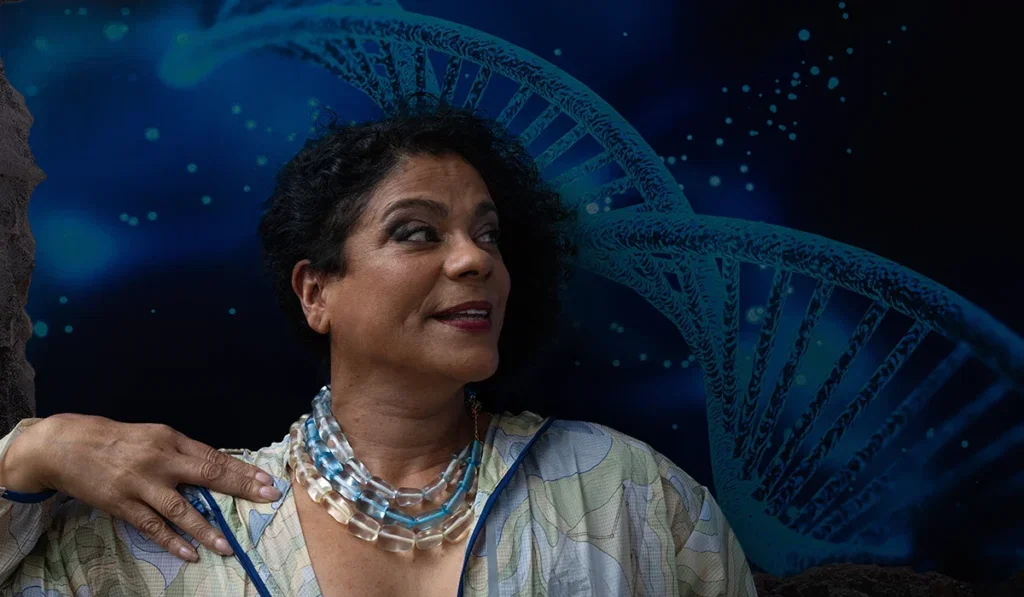
Ruth Rothwell has spent decades shaping the music industry behind the scenes, working with renowned artists and guiding record labels to success. Now, she steps into the spotlight as Empire Child, delivering a debut album that transcends mere entertainment to become a profound exploration of identity, healing, and personal growth. “The Empire Child” emerges not just as a collection of songs, but as an invitation to listeners to examine their own histories while being swept away by meticulously crafted melodies.
The Weight of History and the Promise of Tomorrow
Unless you have lived completely isolated from modern civilization, the forces of colonialism and imperialism have in some way shaped your family’s story. Even those whose ancestors resisted external influences often find their contemporary lives indirectly affected by historical events spanning centuries. Empire Child’s music does not lecture listeners about these connections, however. Instead, it celebrates them through sound, creating an experience that feels less like education and more like transformation.
The album carries listeners through varied emotional landscapes, offering moments of pure joy alongside reflective pauses. Each track builds upon the last, creating a narrative arc that takes audiences on a journey of self-examination without ever feeling heavy-handed or preachy. The joy comes wrapped in sophisticated musical arrangements that draw from multiple genres while remaining distinctly cohesive.
A Voice That Bridges Worlds
Ruth Rothwell’s vocal performance on this album deserves particular attention. Her instrument moves with remarkable flexibility, beginning with the silky smoothness reminiscent of classic soul singers before revealing depths of emotional range that call to mind jazz legends. The comparison to certain iconic female vocalists feels apt, though Rothwell ultimately carves her own distinct space within this musical tradition.
The production, handled in collaboration with Madrid-based keyboardist and producer Mariano Díaz, creates sonic landscapes that support rather than overshadow the vocals. Díaz, known for his work with prominent Spanish artists, brings a sophistication to the arrangements that elevates every track. The partnership between these two musicians result in recordings where each element, from subtle percussion to sweeping strings, serves the larger emotional purpose of the songs.
Track-by-Track Exploration
The album opens with “Mind Be Free,” a composition that demonstrates the creative partnership between Rothwell and Díaz immediately. The restrained instrumentation, featuring careful piano work supported by subtle bass and drums, creates space for Rothwell’s voice to occupy the foreground. The lyrics, however, reveal unexpected depth beneath their apparently simple message. While encouraging listeners to liberate their minds, the song simultaneously emphasizes personal accountability. Freedom, as this track suggests, requires not abandonment of responsibility but rather embrace of it.
“Right Place” continues in the jazz-inflected vein established by the opener, with lyrics exploring themes of fate and natural flow. Rothwell’s vocal delivery maintains the steady confidence of an artist who knows precisely where each phrase should land, creating a sense of musical inevitability that draws listeners deeper into the album’s atmosphere.
“Cut Those Ties” represents a stylistic departure, embracing 1960s pop sensibilities with strummed guitar leading a fuller band arrangement. The sunny musical foundation contrasts productively with lyrics addressing difficult decisions about relationships and patterns that no longer serve growth. The song acknowledges that such separations, while sometimes painful, remain necessary for authentic personal development. As Rothwell herself explains, some connections enrich our lives while others create limitations that stunt our potential.
Moving forward, “Negativity Be Gone” maintains the optimistic energy while incorporating elements of contemporary electronic production. The message here proves clear: after releasing harmful connections, listeners should actively cultivate new relationships with positive influences. Rothwell sings directly about finding supportive individuals who nurture rather than diminish the spirit.
Healing and Introspection
The album’s middle section addresses emotional challenges with remarkable honesty. “Feeling of Healing” represents perhaps the most vulnerable moment on the record, with Rothwell acknowledging that sadness and depression affect everyone regardless of appearance or circumstance. The arrangement itself mirrors this emotional terrain, featuring repetitive piano figures accompanied by gliding strings without percussion to create an almost hypnotic quality. The lyrics offer encouragement while remaining grounded in realistic acknowledgment of difficulty.
“Step Up Step On” continues this meditative thread, with musical elements inspired by jazz traditions to support lyrics about incremental progress toward goals. Rothwell emphasizes that movement itself, even small steps, initiates transformative processes. The song serves as reminder that waiting for perfect conditions often means waiting forever.
“Trace the Race,” positioned as the album’s single, invites multiple interpretations. Rothwell describes it as examination of identity through physical features and cultural inheritance. The lyrics question how external appearances and internal sensibilities develop across generations. Musically, the track incorporates electronic textures that will appeal to fans of influential alternative acts from previous decades.
Celebration and Conclusion
“By Boat” shifts the album’s mood considerably, introducing reggae rhythms and celebratory energy. The song acknowledges the complex histories that brought various populations to different regions worldwide. For Rothwell specifically, the track addresses her Indo-Jamaican heritage, celebrating ancestors who migrated from India to Jamaica seeking improved circumstances. The use of dialect in certain phrases feels natural rather than performative, adding authenticity to the narrative.
“I Am the Knight” presents disco-influenced rhythms that seem destined for sophisticated dance floors. The track’s upbeat energy combines with what Rothwell describes as a rallying cry for women, particularly those navigating male-dominated industries. The musical references to classic disco-era recordings will satisfy listeners who appreciate contemporary artists honoring musical predecessors.
The album concludes with “Peacefully Does It,” a closing statement that lives up to its tranquil name. Rothwell’s reflections on the song address how economic pressures and material anxieties often prevent people from processing emotions healthfully. Her hope, expressed through both lyrics and musical arrangement, suggests that creating space for introspection represents essential work that deserves prioritization.
Final Thoughts
The debut from Empire Child succeeds on multiple levels simultaneously. Listeners can engage with the album purely for aesthetic pleasure, appreciating sophisticated arrangements and Rothwell’s remarkable vocals. Alternatively, those seeking deeper meaning will find rich material addressing identity, healing, and growth. The album proves that commercial accessibility and artistic substance need not exist in opposition.
Ruth Rothwell has transformed personal and inherited histories into something genuinely transcendent. By choosing to realize her creative vision, she offers audiences both beautiful songs and forward-moving energy that resonates long after final notes fade. Empire Child has arrived, and music listeners everywhere have much to gain from this meaningful artistic statement.