


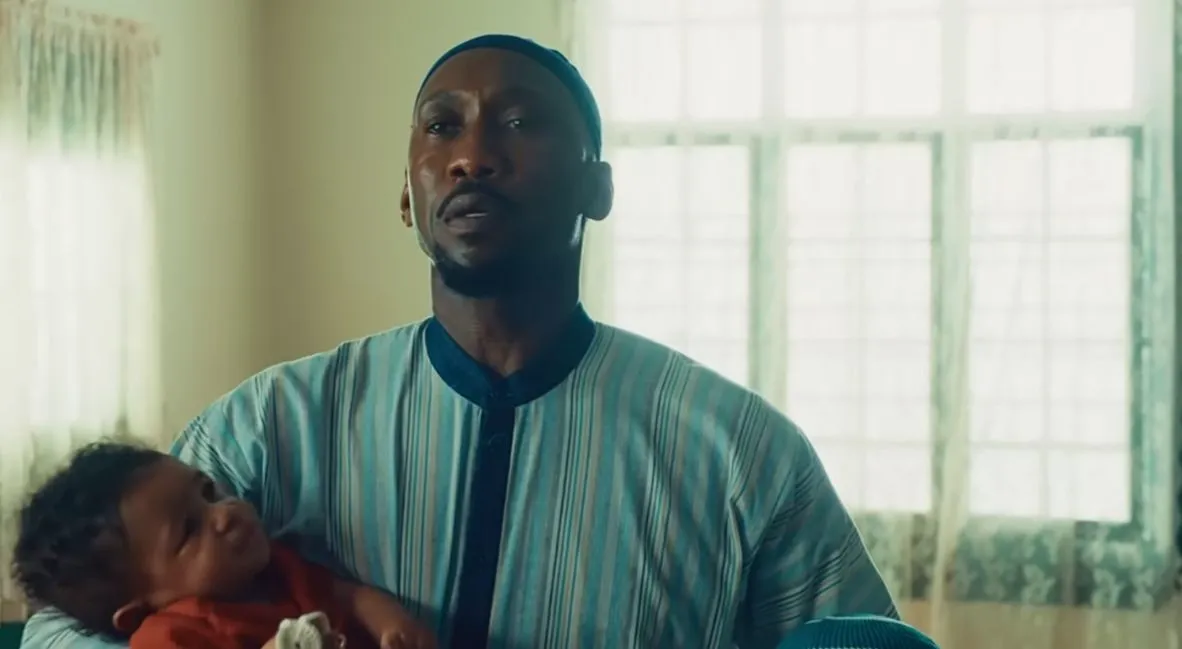
The cancellation of Marvel’s Blade adaptation left many fans wondering what could have been with director Bassam Tariq and star Mahershala Ali at the helm. Their latest collaboration, Your Mother Your Mother Your Mother, premiered at the 2026 Toronto International Film Festival and offers a compelling answer. Set against a backdrop of razor‑sharp blades and internal turmoil, the film explores how a lethal enforcer copes with loss, faith and the desperate need to protect his family.
Plot Overview
The story opens with a stark juxtaposition: a hadith flashes across the screen as Latif (Mahershala Ali) dispatches a target in a brutal, balletic sequence. Moments later, a phone call shatters his composure—his wife has died, and he was absent when she needed him most. This inciting incident propels Latif into a spiral of grief, forcing him to reconsider the violent career that has defined him.
As he attempts to step away from his illegal trade, Latif faces pressure from his boss, Mike (Laith Nakli), and an overzealous Christian pastor, Kwan (John Cho), who both see value in his skill set. Meanwhile, his children act out, his infant daughter requires breastmilk, and the community’s support can only go so far. The narrative tightens when Latif’s nephew becomes entangled in a “haram” business venture, pulling the protagonist back into a world he hoped to leave behind.
Themes and Performances
At its core, Your Mother Your Mother Your Mother is a meditation on grief and the crisis of faith that follows a personal tragedy. Latif’s journey mirrors the internal conflict of a man whose purpose has always been action, now left adrift without the anchor of his spouse. The film treats his sorrow not as a backdrop but as a driving force that shapes every decision, from contemplating retirement to confronting enemies.
Mahershala Ali delivers a magnetic performance, channeling the same physical precision that would have served him well as Blade. His fight scenes are swift and economical, yet his quieter moments reveal a slowly eroding resolve. The actor’s silent strength gradually frays, visible in his gaze and posture, offering a nuanced portrait of a man trying to rebuild himself.
Supporting turns add depth to the central conflict. Laith Nakli’s Mike embodies a controlling mentor whose loyalty feels like a sword of Damocles over Latif. John Cho’s Pastor Kwan flaunts gaudy wealth and gold teeth, turning religious fervor into a charismatic, almost caricatured presence. While Cho occasionally pushes the character toward exaggeration, the tension between his aura‑driven following and Latif’s stoic realism creates a fascinating dynamic worth further exploration.
The younger cast—Adia and Jahleel Kamara as Latif’s eldest daughter and son, and Abubakr Ali as the mischievous nephew—ground the story in familial stakes. Adia, in particular, carries the weight of a parentified role, conveying her own crisis of faith through subtle expression rather than dialogue. Abubakr Ali injects levity with sharp comedic timing, providing moments of relief that prevent the film from becoming overly grim.
Strengths and Weaknesses
The film’s greatest asset lies in its seamless blend of high‑octane action and intimate character study. Cinematographer Katelin Arizmendi captures both the claustrophobic intensity of close‑quarter combat and the opulent, yet awkward, mansion setting of the climax with equal skill. The action sequences feel purposeful, each blade swing reflecting Latif’s internal struggle.
However, the final battle and resolution occasionally rely on convenient plot turns that diminish the hard‑earned tension built earlier. Certain decisions involving Pastor Kwan feel rushed, pulling some of the wind from the film’s sails. Despite these missteps, the overall impact remains strong, chiefly because the emotional core—grief, loss, and the search for meaning—is handled with sincerity.
Verdict
Your Mother Your Mother Your Mother proves that Bassam Tariq and Mahershala Ali are a formidable pair. The movie offers a tantalizing glimpse of what a Tariq‑directed Blade might have looked like, while standing on its own as a powerful drama about a man trying to reconcile his violent past with a fragile present. For audiences seeking a film that marries brutal set pieces with heartfelt introspection, this TIFF 2026 entry delivers a memorable, if imperfect, experience.