

Netflix’s latest true‑crime entry, Worst Neighbor Ever, premiering globally on July 1 2026, turns the mundane proximity of suburban life into a catalogue of horror. The four‑episode freshman season is now available for streaming to subscribers, presenting real‑world stories where ordinary domestic friction morphs into fraud, arson, and lethal vengeance.
Overview
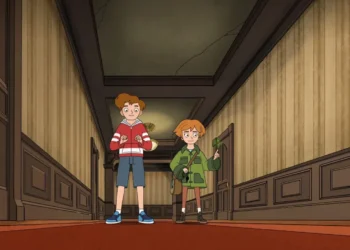
The series follows a formula that Netflix has cultivated with earlier entries such as Worst Roommate Ever and Worst Ex Ever: each installment tracks a case of neighbourly conflict that escalates beyond the front lawn. By weaving together interviews, 911 recordings, police documents, text logs, and stylized animation, the show avoids the pitfalls of cheap reenactments—no badly‑wigged actors or suspiciously pristine kitchens. Instead, it offers a clean visual rhythm that keeps viewers engaged while hinting at deeper societal fractures.
Premise and Format
Each episode centers on a scenario where everyday disputes—property lines, noise complaints, or simple misunderstandings—devolve into intimidation, fraud, or murder. The documentary structure is deliberately brutal: it presents the timeline, the legal maneuvering, and the human cost without melodrama. The use of animation serves a dual purpose: it preserves the dignity of real‑life participants and it keeps the production budget lean. The result is a watchable, if somewhat superficial, true‑crime experience.
Episode Breakdown
“She Finally Snapped”
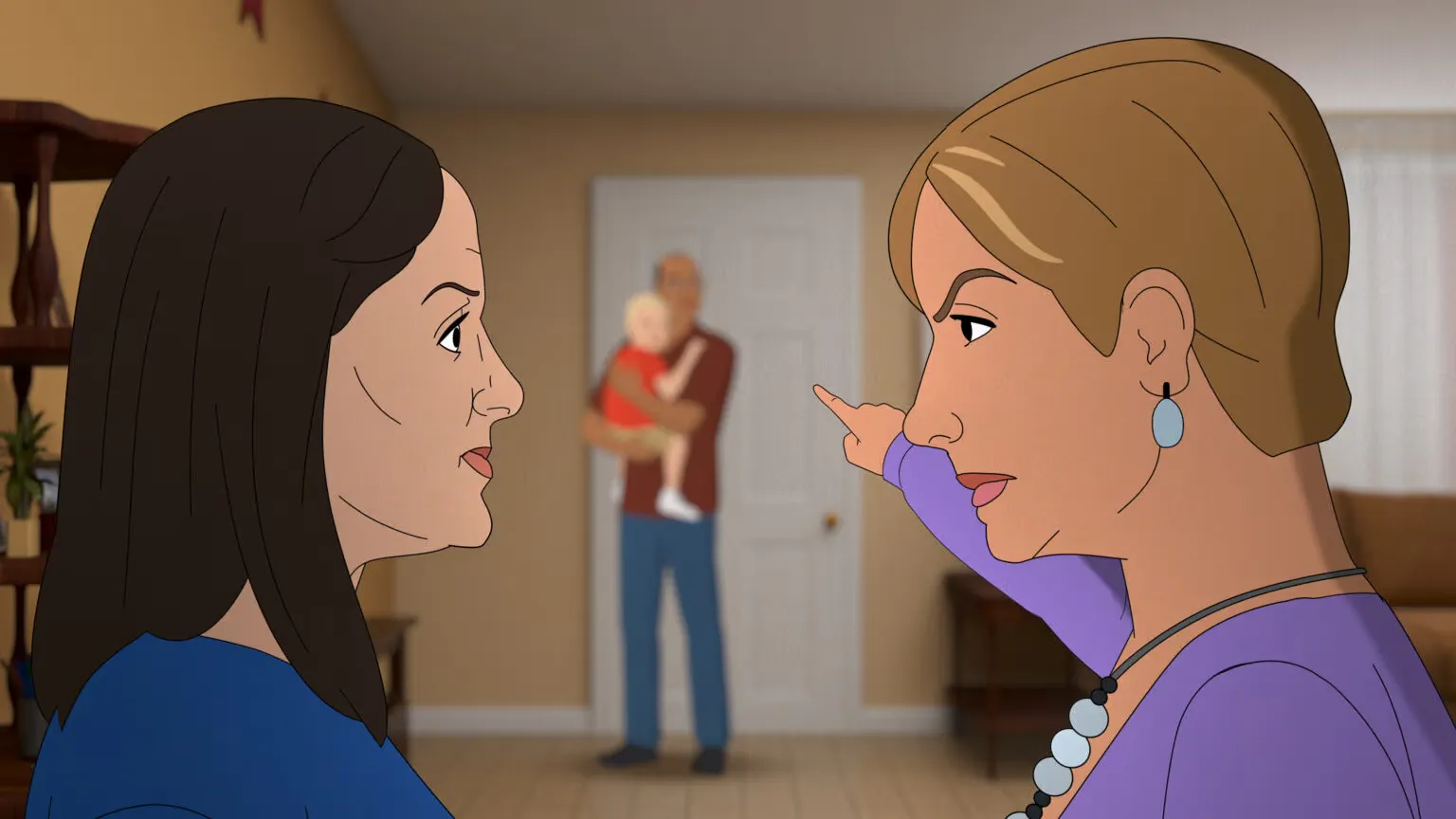
The opening episode is the season’s most unsettling hour. It traces the descent of Frances Zaayer from a family acquaintance seeking shelter during a divorce to a neighbour who weaponized every legal avenue. The Scotts—Shawna, her husband David (a Black deputy jailer), and their grandson—allowed Frances to stay in their home. Warning signs emerged early: Frances dictated television choices, objected to early‑morning chores, and grew controlling over the household routine.
When Frances relocated across the street, the conflict intensified. A trivial property‑line dispute escalated into a relentless campaign of harassment. Frances repeatedly called law enforcement, falsely accused Shawna of assault, and exploited a court‑ordered restriction to provoke Shawna from a distance. The episode highlights the absurd cruelty of a situation where a homeowner is barred from parts of her own property while the harasser performs outrage publicly.
Racial abuse directed at David adds a grim layer. Frances hurled racist epithets and twisted David’s job into a narrative of institutional conspiracy. The climax occurs on May 26 2018, when Frances entered the Scotts’ residence, shot Shawna in the face, and killed David with a bullet to the heart. She later pleaded guilty to second‑degree murder, assault, and wanton endangerment, receiving a 35‑year sentence. The horror is not an isolated burst; it is the product of months of escalating intimidation.
“Midwest Meltdown”
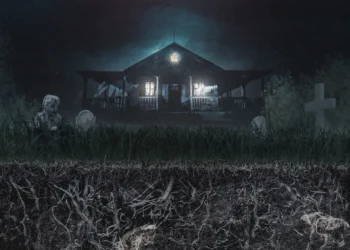
The second installment shifts focus to Monserrate “Moncy” Shirley and Mark Leonard, whose personal vendetta culminates in the Richmond Hill explosion. The blast kills Dion and Jennifer Longworth, injures dozens, and obliterates more than thirty homes. While the episode’s diagrams and timelines successfully convey the scale of destruction—both physical and legal—its pacing often feels like a build‑up to the next revelation rather than a deep exploration of causation.
“Fear Thy Neighbor”
The third case follows Miles and Melina Armstead, who relocate to Oakland’s Eastmont Hills only to encounter Jamal “JT” Thomas after his family’s eviction. The narrative builds a sickening rhythm of smashed windows, threats, and forced relocation. The Armsteads comply with the conventional advice given to victims: they leave. Yet the story takes a tragic turn when Miles is shot while preparing the house for sale. The episode hints at potential police bias, especially regarding race, but retreats before a thorough examination of institutional neglect.
“The Executor”
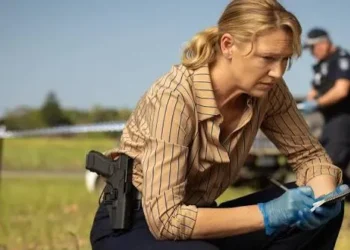
The final episode offers a procedural twist. Detective Mark O’Donnell investigates the suspected death of Charles Wilding and the alleged management of his estate by Caroline Herrling. Instead of another feud spiraling into violence, the hour becomes an inquiry into absence, financial paperwork, and the authority a confident liar can amass. While less viscerally frightening than the Zaayer case, it delivers cleaner television by focusing on investigation rather than spectacle.
Production Quality and Ethical Considerations
The series excels technically: editing is snappy, reenactments are clear, and interviewees often convey unbearable experiences with dignity. A haunting 911 call from a neighbour in the Zaayer episode cuts through the polished assembly, reminding viewers of a community that watched danger grow for years. The show knows how to sustain momentum and keep audiences watching.
However, the documentary’s ethical imagination falls short. While the Zaayer episode exposes racism, legal loopholes, and the failure of police response, the series repeatedly uncovers systemic failures only to edit around them, preserving a formulaic narrative. The Armstead episode hints at institutional neglect but shies away from a full critique. The Richmond Hill case reveals greed destabilizing an entire community, yet the analysis remains superficial. The result is a series that feels comfortable offering shock value over substantive commentary.
Verdict
Worst Neighbor Ever is at its most powerful when survivors and investigators map the transformation of domestic friction into danger—most notably in the Zaayer and Wilding storylines. The franchise’s production efficiency, combined with animation, call recordings, and timelines, makes each case accessible. Yet the series’ reluctance to fully engage with the political and social realities underlying neighbourly violence makes its restraint feel more like avoidance than discipline. For viewers seeking a quick, well‑crafted true‑crime fix, the show delivers; for those hoping for a deeper exploration of community vulnerability, it leaves a lingering sense of untapped potential.