

While many music fans today recognize “Delta Dawn” as a staple of karaoke nights and nostalgic radio programmed for long drives, the origins of this country-pop masterpiece are rooted in a deeply personal tragedy. The song, which eventually became a career-defining milestone for Helen Reddy, emerged from a place of profound grief and a songwriter’s attempt to reconcile with a haunting past.
A Vision Born from Personal Tragedy
The narrative of “Delta Dawn” was penned by the skilled Nashville songwriter Alex Harvey, with assistance from Larry Collins. For Harvey, the composition was far more than a commercial endeavor; it served as a tribute to his mother, Emily Jeanette Harvey. In the late 1950s, Emily passed away following a catastrophic single-car accident. The weight of her loss remained with Harvey for years, manifesting as a mix of sorrow and unresolved guilt.
The creative spark for the song arrived during an evening gathering when Harvey experienced a vivid, almost supernatural moment. Looking up while surrounded by friends, he felt the distinct presence of his late mother in the room. He recalled seeing her clearly, seated in a rocking chair and laughing. This ethereal vision directly influenced the famous lyrics describing a woman in Brownsville whose father still regards her as a child despite the passage of time. Through these words, Harvey sought to provide an apology and a sense of peace to the memory of his mother.
The Ascent of the Queen of 1970s Pop
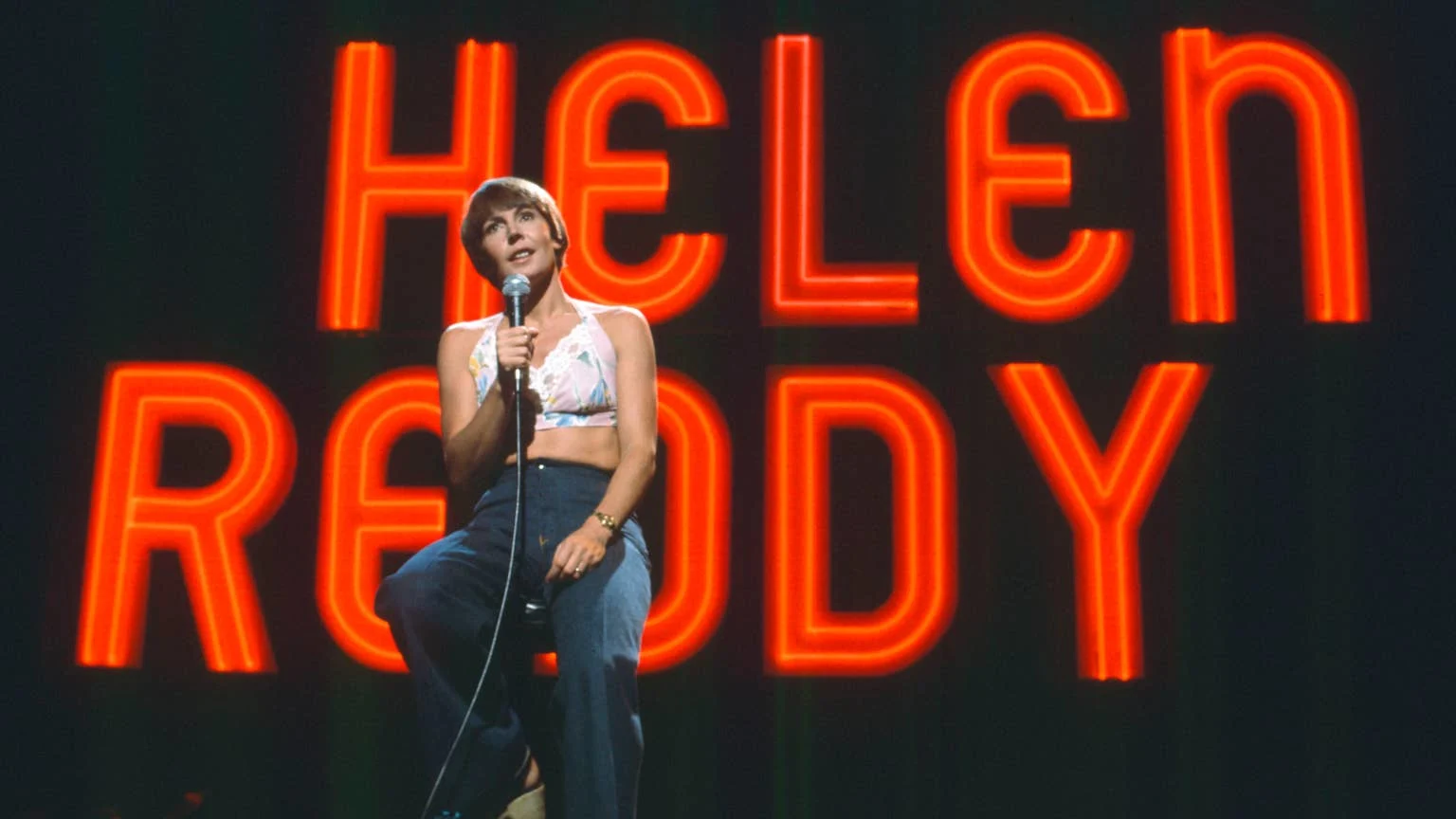
Though several artists approached the material, it was the 1973 rendition by Helen Reddy that truly captured the global imagination. Emerging shortly after her feminist anthem “I Am Woman,” the track “Delta Dawn” secured Helen Reddy’s position at the summit of the music world. The single dominated the airwaves, reaching the number one spot on the Billboard Hot 100. Furthermore, it proved its staying power by holding the top position on the Billboard Adult Contemporary chart for six straight weeks.
This immense commercial success led critics and fans alike to crown Helen Reddy as the Queen of 1970s Pop. Her ability to blend country sensibilities with mainstream pop appeal made her one of the most successful female vocalists of the era. This peak in her career was officially recognized at the 1974 American Music Awards, where she was honored as the Favorite Pop/Rock Female Artist.
A Shared Musical Heritage
While Helen Reddy made the song a global phenomenon, she was not the first to bring Alex Harvey’s words to life. The songwriter himself initially recorded the track with Dianne Davidson. However, the first major commercial breakthrough for the song actually came via a young Tanya Tucker. At just thirteen years old, Tanya Tucker released her version in 1972, serving as her debut single and establishing her as a rising star in the country music scene.
An Enduring Legacy
The influence of Helen Reddy extended far beyond a single decade. Her contributions to the industry remained celebrated until her passing on September 29, 2020. At the age of 78, she passed away in Los Angeles after facing health challenges including Addison’s disease and dementia. Today, “Delta Dawn” remains a testament to the power of turning personal pain into universal art, ensuring that the legacy of both the songwriter and the performer lives on.