


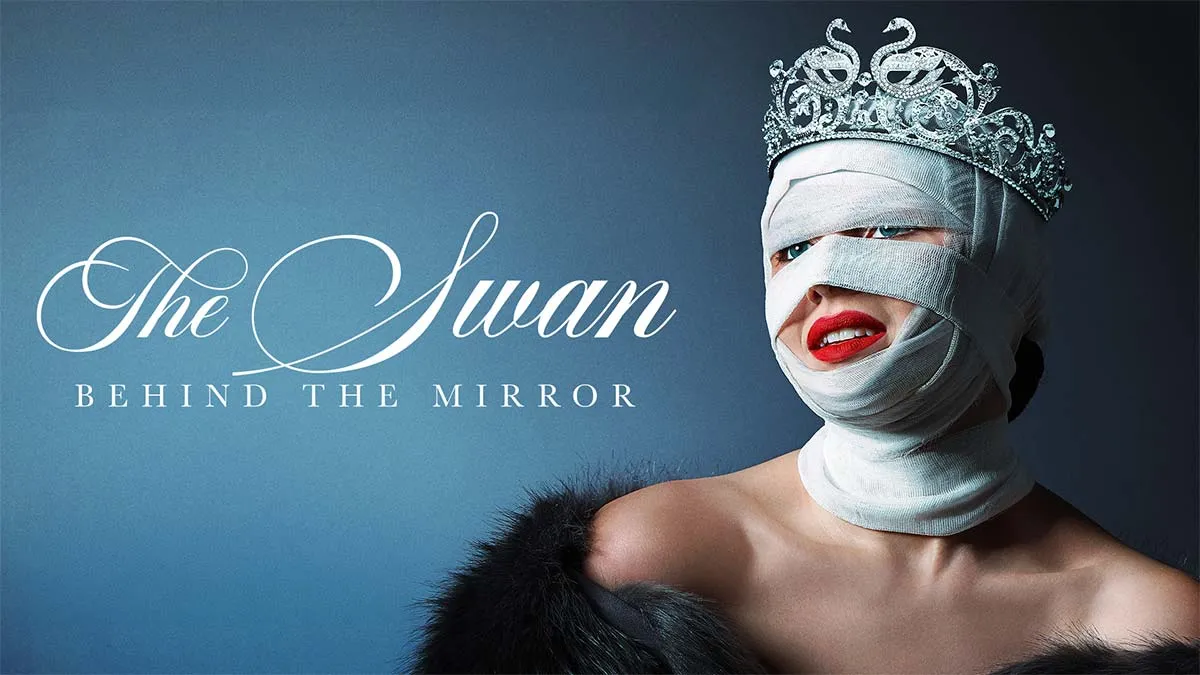
Hulu’s latest non‑fiction offering, The Swan: Behind the Mirror, directed by Erin Lee Carr, revisits a shock‑laden chapter of reality television that promised extreme makeovers but delivered lasting psychological scars. The documentary situates the Fox series The Swan within a broader conversation about exploitative reality formats, drawing parallels to Netflix’s Fit for TV: The Reality of The Biggest Loser. By foregrounding the voices of the women who underwent the program’s transformative regimen, Carr crafts a sobering exposé that asks whether television should ever again sanction such overtly grotesque self‑improvement spectacles.
Premise and Production
Originally airing in 2004–2005, The Swan was conceived by Telemundo executive Nely Galán as a two‑season competition that recruited women deemed “physically flawed.” Participants were promised a holistic makeover—plastic surgery, rigorous exercise regimens, nutrition plans, styling sessions, and therapeutic counseling—culminating in a beauty‑pageant showdown. The show’s marketing leaned heavily on the ugly‑duckling‑to‑swan metaphor, framing bodily alteration as a journey toward self‑worth.
Carr’s documentary reveals that, behind the glossy promise, production pressures intensified the competitive stakes. What began as an extreme‑makeover showcase morphed into a pageant where contestants were pitted against one another for a crown, a twist many interviewees describe as unexpected and demoralizing.
Participants’ Stories
Several alumnae from the inaugural season return for Behind the Mirror to recount the procedures they endured and the emotional toll of surrendering bodily autonomy to a TV crew. Their testimonies reveal a pattern: initial excitement gave way to anxiety as surgeries multiplied, recovery periods stretched, and the constant surveillance of cameras eroded self‑esteem.
Season 2 escalated the formula, targeting women who supposedly required even more dramatic interventions. Participants recount a widening chasm between the show’s advertised psychological support and the reality of sparse, often perfunctory counseling sessions. Nely Galán, who also positioned herself as a “life coach,” faces particular scrutiny as the film questions the depth of emotional care provided once filming commenced.
Dr. Randal Haworth, one of the program’s plastic surgeons, offers candid recollections that appear strikingly nonchalant given the lasting physical and mental consequences described by the women. His commentary underscores the disconnection between those orchestrating the transformations and those living with their aftermath.
Aftermath and Impact
When the cameras stopped rolling, most contestants attempted to resume ordinary lives, only to find that the show’s imprint lingered. The documentary details how participation fractured relationships, triggered divorce proceedings, and precipitated housing instability for some. These personal upheavals amplify the grotesque nature of a format that prioritized outward alteration over inner well‑being.
Carr argues that The Swan was a product of its time—a period when reality television relentlessly pushed boundaries in pursuit of spectacle. Yet the film contends that historical context does not excuse the cruelty embedded in its design. By normalizing invasive procedures as pathways to self‑improvement, the series contributed to a television culture that still grapples with the ethics of body‑centric entertainment.
Documentary Approach
The Swan: Behind the Mirror adopts the familiar visual grammar of contemporary streaming documentaries: archival footage, talking‑head interviews, behind‑the‑scenes insights, and present‑day reflection. While its structure remains conventional—comparable to Carr’s earlier work Britney vs Spears and the Netflix series Fit for TV: The Reality of The Biggest Loser—its power lies in where it directs attention.
Rather than allowing producers, surgeons, or network executives to reclaim the narrative, Carr and her editorial team continually return to the women whose bodies served as the show’s raw material. Their nuanced, sometimes contradictory recollections lend the film emotional weight and prevent it from devolving into mere nostalgic pastiche. The result is a piece that feels both investigative and deeply human.
Verdict
More than two decades after its original broadcast, The Swan: Behind the Mirror finally affords its subjects the opportunity to reflect on their experiences on their own terms. The documentary concludes with a resonant warning: television should never again need a show that packages humiliation, surgery, and insecurity as self‑improvement.
For readers interested in the evolution of reality TV, the ethics of participant treatment, and the lasting impact of media‑driven body ideals, Carr’s film offers a compelling, essential watch.