

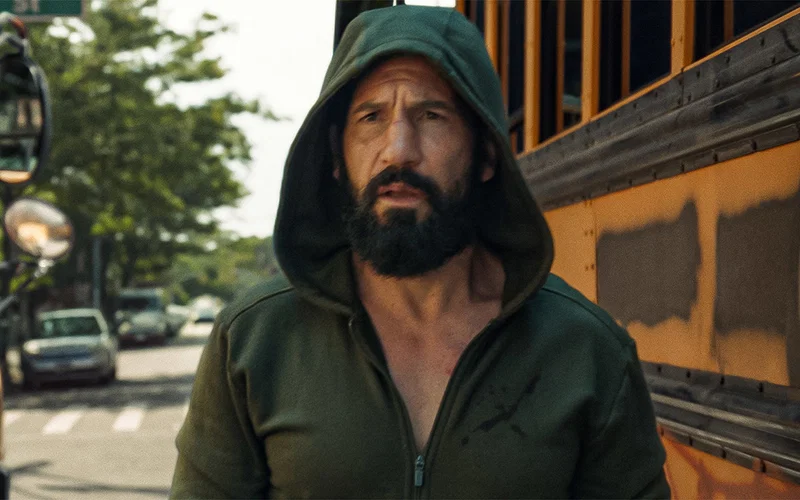
Jon Bernthal has spent the last decade perfecting the role of Frank Castle, and in The Punisher: One Last Kill, the acclaimed Marvel Television Special Presentation, audiences finally see that dedication translate into creative control. This Disney+ offering picks up where the beloved Netflix series left off, delivering everything fans have come to expect from the darkest corner of Marvel’s television universe: relentless violence, morally ambiguous storytelling, and Bernthal at his most ferocious. Yet despite its undeniable intensity and raw emotional power, the special struggles against its own abbreviated runtime, leaving viewers with a glimpse of greatness that never quite reaches its full potential.
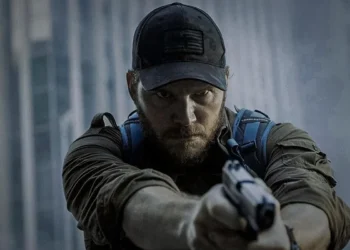
The transition from Netflix to Disney+ promised that mature Marvel characters would retain their edge, and The Punisher: One Last Kill absolutely delivers on that assurance. From the opening sequence, viewers are thrust into a world of graphic brutality that few mainstream superhero productions would dare attempt. Frank Castle remains a one-man army, waging an unrelenting war against the criminal underworld threatening Manhattan’s streets. The difference now lies in Frank’s internal struggle: he’s wrestling with the possibility of ending his violent crusade, fate has other plans. An encounter more horrifying than anything previously encountered forces the vigilante back into the fray, raising questions about redemption, closure, and whether some warriors can ever truly hang up their weapons.
Story
The narrative framework of The Punisher: One Last Kill embraces simplicity, focusing tightly on Frank Castle’s psychological unraveling rather than weaving complex plot threads. While this approach allows for deeper character exploration, it simultaneously exposes the special’s most significant limitation: runtime. At just forty-eight minutes, the story rushes through its emotional beats with an urgency that undermines the impact Bernthal and his creative collaborators clearly intended. A forced conflict emerges, bloody confrontation ensues, and resolution arrives so quickly that viewers have no opportunity to fully absorb the deeper thematic resonances being teased throughout.
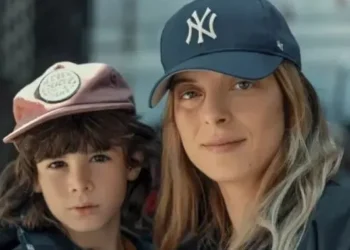
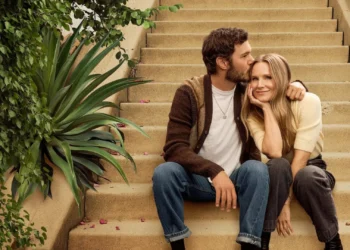
The setup introduces an iconic antagonist from Marvel’s comic book mythology, generating genuine excitement for what could have developed into an event-level narrative. Frank’s journey toward peace gets interrupted, setting him on a collision course with threats that demand the return of his merciless persona. The emotional core revolves around a man attempting to reconcile with trauma, family loss, and purpose, yet the abbreviated format prevents these elements from receiving the development they deserve. Comparisons become inevitable: other productions have demonstrated that brevity need not preclude excellence, but One Last Kill struggles to find that balance within its constrained timeframe.
Performances
Jon Bernthal’s portrayal of Frank Castle has always been his defining achievement as an actor, and here he reaches new heights of physical and emotional commitment. His first writing credit on the project reflects a decade of immersion in this role, resulting in a performance that feels more authentic and lived-in than ever before. Bernthal brings an animalistic intensity that previous adaptations never achieved, channeling grunts, roars, and primal fury into every confrontation. Whether he’s swinging blood-soaked blades through enemies, launching himself blind through shattered windows, or bursting through drywall with terrifying determination, Bernthal makes the violence feel dangerously real.
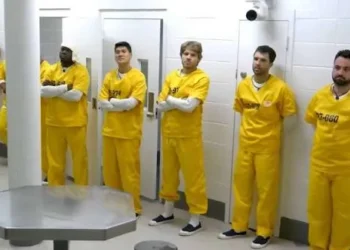
Where Bernthal truly distinguishes himself, however, lies in his depiction of Frank’s shattered psyche. The character exists as two beings coexisting uncomfortably: a remorseless engine of destruction and a grieving family man crushed by post-traumatic stress. Bernthal navigates these contrasting dimensions with remarkable skill, and its his expressions of profound emotional suffering that resonate most deeply. Supporting performances bolster the lead, with Andre Royo delivering a memorable turn that provides crucial moments of human connection amidst the carnage. The actor physically embodies every ounce of pain, rage, and desperation, making Frank Castle one of the most compelling antiheroes in modern television.
Behind the Lens
Director Reinaldo Marcus Green and cinematographer Robert Elswit form the creative engine powering The Punisher: One Last Kill, and their collaboration produces genuinely stunning results that elevate source material beyond its narrative limitations. Green, previously working with Bernthal on the acclaimed HBO miniseries We Own This City, brings an intimate understanding of how trauma manifests physically and psychologically. The claustrophobic visual approach places viewers inside Frank’s nightmarish consciousness, using hazy, dreamlike filters when exploring memories and handheld immediacy during action sequences.
Elswit’s cinematography deserves particular praise for transforming what could have been standard superhero spectacle into something genuinely artistry. Iconic “oner” tracking shots place audiences directly alongside Frank as he navigates hallways, stairwells, and streets littered with victims-in-waiting. The technical craft transforms violence into something visceral and participatory rather than merely observational. When Frank confronts ghosts from his past captured through ethereal camera work, the visual language reinforces the emotional weight of his internal struggle. Few superhero productions have achieved this level of visual sophistication paired with such unflinching brutality.
Final Verdict
The Punisher: One Last Kill represents a paradoxical experience: simultaneously triumphant and frustrating, visceral yet incomplete. Bernthal delivers arguably his finest performance in the role, backed by technical achievements that rank among the best in Marvel’s television catalogue. The action sequences satisfy the darkest impulses of the character’s passionate fanbase, delivering exactly the sort of callous, grotesque brutality that defines the Punisher’s appeal. Green and Elswit’s collaborative vision achieves a cinematic scope rarely seen in limited streaming special presentations.
Yet the production cannot escape two inescapable truths. The runtime constraint proves genuinely fatal to the storytelling ambitions, preventing the emotional journey from receiving proper development. Additionally, Marvel Cinematic Universe obligations demand Frank Castle remain packaged for future appearances, undermining whatever introspective ending the narrative clearly desired. The result feels like a compelling story told in fragments, promising profundities that never fully materialize. Fans will certainly appreciate the ride for what it accomplishes, and Bernthal’s dedication remains worthy of admiration. Viewers should approach The Punisher: One Last Kill as an intense, if abbreviated, character study—satisfying enough for dedicated followers, but never reaching the definitive statement this character deserves.
The Punisher: One Last Kill is streaming on JioHotstar in India.