

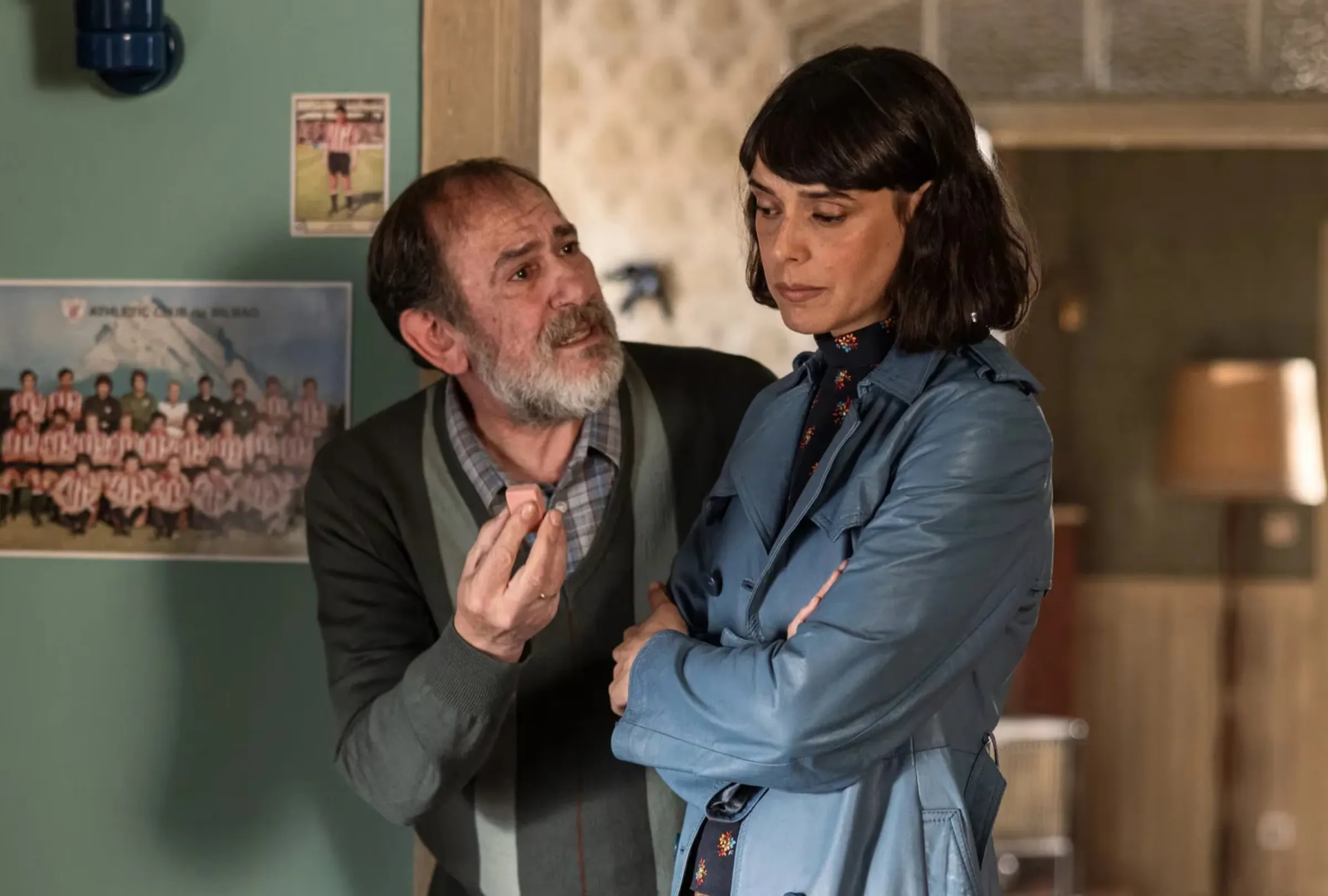
Some stories linger in your mind long after the credits roll, not because of explosive action sequences or dramatic twists, but because they capture the raw, unfiltered essence of human suffering. The Child, a Spanish drama now streaming on Netflix, achieves exactly that. Inspired by the devastating 1980 Ortuella gas explosion in the Basque Country, this deeply affecting film shifts its gaze away from the catastrophe itself and toward the shattered lives left in its wake.
Directed by Mariano Barroso and adapted from Fernando Aramburu’s novel, The Child is not your typical disaster movie. Instead, it offers a meditative, deeply human portrait of grief that examines how different generations within the same family process unimaginable loss. With a runtime that demands patience, this quiet powerhouse of a film rewards viewers with an emotionally resonant experience that feels both intimate and universal.
Synopsis
Set in October 1980, the narrative centers on Mariaje and her father Nicasio, who are grappling with the tragic death of a young child in a school gas explosion that rocks their Basque community. As the town reels from the collective trauma, these two family members must navigate their shared sorrow while struggling with their conflicting approaches to mourning. The story delicately explores how a single catastrophic event can fracture and simultaneously bind a family together, as both characters attempt to reconstruct some semblance of normalcy in a world that will never feel quite the same again.
Performances
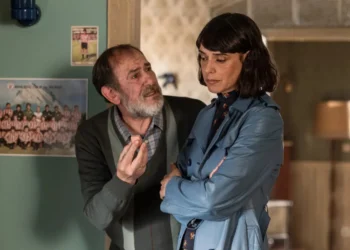
Belén Cuesta, recognized globally for her work in Money Heist, delivers a career-defining performance as Mariaje. She portrays a mother consumed by grief with remarkable restraint, allowing her pain to surface through subtle facial expressions and measured silences rather than theatrical outbursts. Her portrayal captures the exhausting reality of carrying loss while trying to maintain daily routines.
Alongside her, Karra Elejalde, known for his roles in Spanish Affair and Whilst at War, brings a weathered authenticity to Nicasio. His performance embodies the stoic, traditional approach to grieving—a man who struggles to articulate his pain but feels it just as deeply. The generational contrast between these two performers creates a compelling dynamic that anchors the entire production.
Supporting performances from Pep Ambròs, Raquel Ferri, Joan Solé, and Álex Infantes round out the ensemble, creating a believable community context that enhances the central narrative without overshadowing it.
Behind the Lens
Barroso, who also penned the screenplay, demonstrates considerable skill in handling such sensitive material. The Child joins his impressive filmography alongside Todas las mujeres and La Línea Invisible, cementing his reputation for crafting emotionally complex Spanish cinema.
The director faces a unique challenge: adapting a fictional story rooted in real tragedy while maintaining respect for the historical events. He navigates this delicate balance admirably, avoiding exploitation or excessive sentimentality. Instead, the film remains grounded through its authentic dialogue and naturalistic performances, allowing the emotional weight to emerge organically.
The pacing is deliberately measured, perhaps frustratingly slow for some viewers. Yet this unhurried approach mirrors the reality of grief itself—there are no quick fixes, no neat resolutions, only the gradual, painful process of learning to exist alongside loss.
Final Verdict
The Child succeeds as a profound meditation on memory, resilience, and the complicated ways families cope with tragedy. It refuses to offer easy answers or tidy conclusions, instead embracing the messy, contradictory nature of human emotion. The film correctly suggests that our imperfections and our varied approaches to healing are what ultimately define our humanity.
While the deliberate pacing may test impatient viewers, those who appreciate authentic, hard-hitting narratives will find much to admire here. This is cinema that gets under your skin, reminding us of life’s cruel unpredictability while celebrating the quiet strength we find in one another.
For audiences seeking something beyond conventional entertainment—a film that asks questions rather than providing answers—The Child offers a haunting, beautiful, and ultimately hopeful experience about finding a way forward when the path seems impossible. It comes highly recommended for those ready to sit with discomfort and emerge with a deeper understanding of the human heart.