

Series Overview
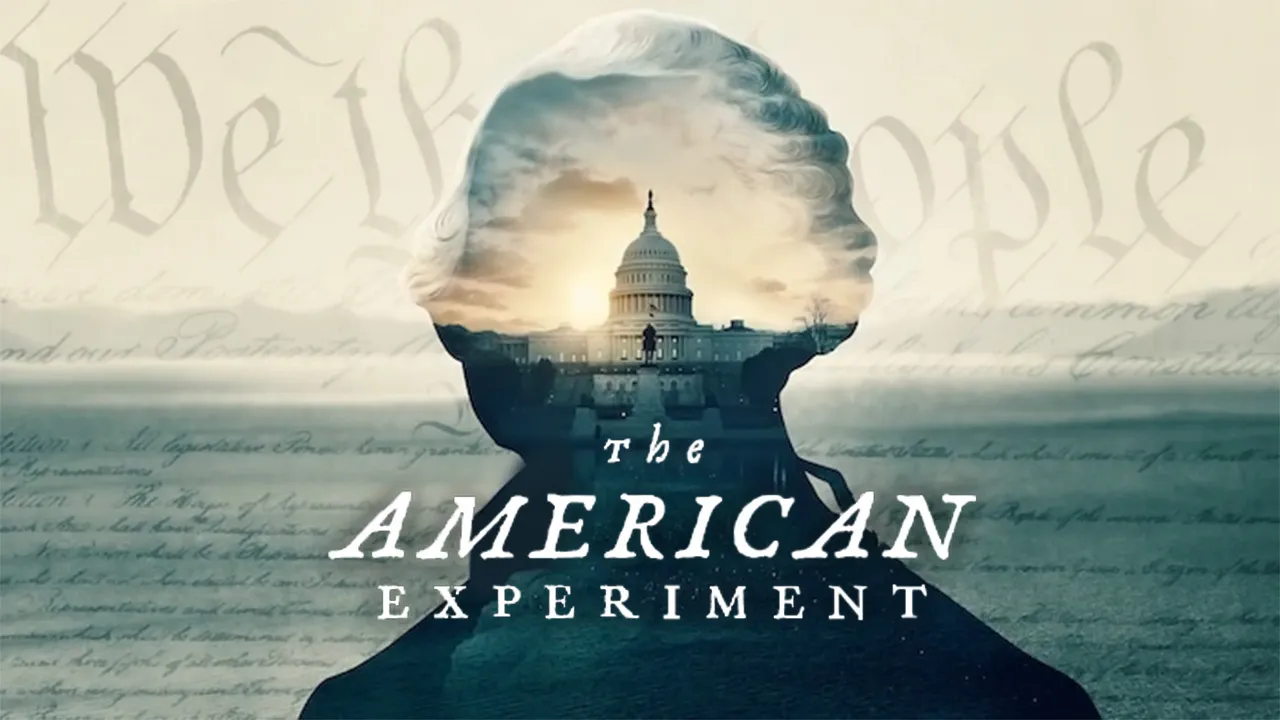
Executive produced by Tom Hanks and streaming on Netflix, The American Experiment is a five‑part, densely packed docuseries that traces the emergence of the United States from colonial unrest to the early years of the new republic. Each episode runs longer than an hour, giving the series ample room to explore the military, diplomatic, and political currents that shaped a fledgling nation.
The narrative begins with the colonies groaning under British tax burdens and a young George Washington sharpening his military credentials, then moves through the drafting of the Declaration of Independence, the precarious battlefield moments, and finally the delicate process of turning a collection of states into a functional government.
Early Colonial Unrest and Military Roots
The first hour lays the groundwork: British taxation policies stir discontent, while Washington’s early command experiences set the tone for the revolutionary struggle. The episode highlights the growing friction between the colonies and the Crown, establishing the personal and political stakes that will drive the story forward.
The Road to Independence
Episode two shifts to the push for independence. Thomas Jefferson’s pen gives shape to the Declaration, while Washington and the Continental Army suffer a string of defeats that test the resolve of the American cause. The third episode expands the scope, emphasizing how the lack of a navy and Britain’s superior forces made the war appear almost hopeless. Here, Benjamin Franklin’s diplomatic overtures to France become a pivotal turning point, and battles such as Bunker Hill and Saratoga shift momentum in favor of the colonists.
Nation‑Building After War
The final two episodes address what happens once the fighting stops. Episode four—aptly titled “We the People”—delves into the creation of a new governmental system, exploring the debates over federalism, representation, and the fragile balance of power. The concluding chapter, “Washington’s Warning,” follows Washington’s inauguration as the First President and traces the emerging ideological split between Jefferson and Hamilton. This segment draws explicit parallels to today’s political climate, touching on echo chambers, partisan division, and the durability of democratic institutions.
Visual Presentation and Cinematography
One of the series’ strongest assets is its production value. Battle reenactments are surprisingly vivid, intercut with striking portraits of Washington, Jefferson, and Franklin, giving a cinematic feel without slipping into melodrama. The use of maps is particularly effective; they dynamically illustrate troop movements and strategic shifts, turning abstract historical maneuvers into clear visual narratives.
The documentary also treats its archival images and paintings like a curated art exhibit. A clean, cream‑colored backdrop lets the camera glide smoothly from one artifact to the next, creating a rhythmic visual flow. A late‑scene reflection on the paintings inside the Capitol adds an emotional layer, reinforcing the notion that the founding era remains a living part of American identity.
Historian Commentary and Insights
The series benefits from a roster of scholars. Jill Lepore, noted for her works These Truths and We the People, provides nuanced historical context. Military historian Robert Donald offers detailed explanations of the Continental Army’s challenges, giving viewers a concrete sense of the logistical hardships Washington faced. When the documentary weaves these voices together, the storytelling reaches its most compelling height.
Modern Political Framing: Strengths and Pitfalls
While The American Experiment excels when it lets history speak for itself, the inclusion of contemporary political figures—such as Kamala Harris, Ted Cruz, Mike Pence, and Hillary Clinton—creates a mixed result. The series argues that the nation’s foundational tensions echo in today’s partisan environment, and it does include voices from both sides of the aisle. However, the modern‑day segments—footage of the Capitol breach, protest signs, and news clips—often feel heavy‑handed, pulling focus away from the core historical narrative.
The documentary’s strongest moments arise when the parallels between past and present emerge organically from the historical record, rather than being explicitly voiced by current politicians. By relying less on contemporary commentary and more on the rich contradictions already present in the founding era, the series could achieve a more balanced tone.
Final Verdict
The American Experiment remains a solid, highly watchable docuseries that offers a broad, glossy overview of America’s formative years. Its production quality, visual storytelling, and scholarly commentary are its biggest strengths. The modern political scaffolding, while intended to highlight the relevance of historical lessons, occasionally overshadows the very history it seeks to celebrate.
When the series trusts the past to convey its own warnings, it shines brightest. For viewers seeking an engaging, cinematically rich introduction to the birth of the United States—without the need for constant contemporary nudging—this Netflix offering is well worth a watch.