

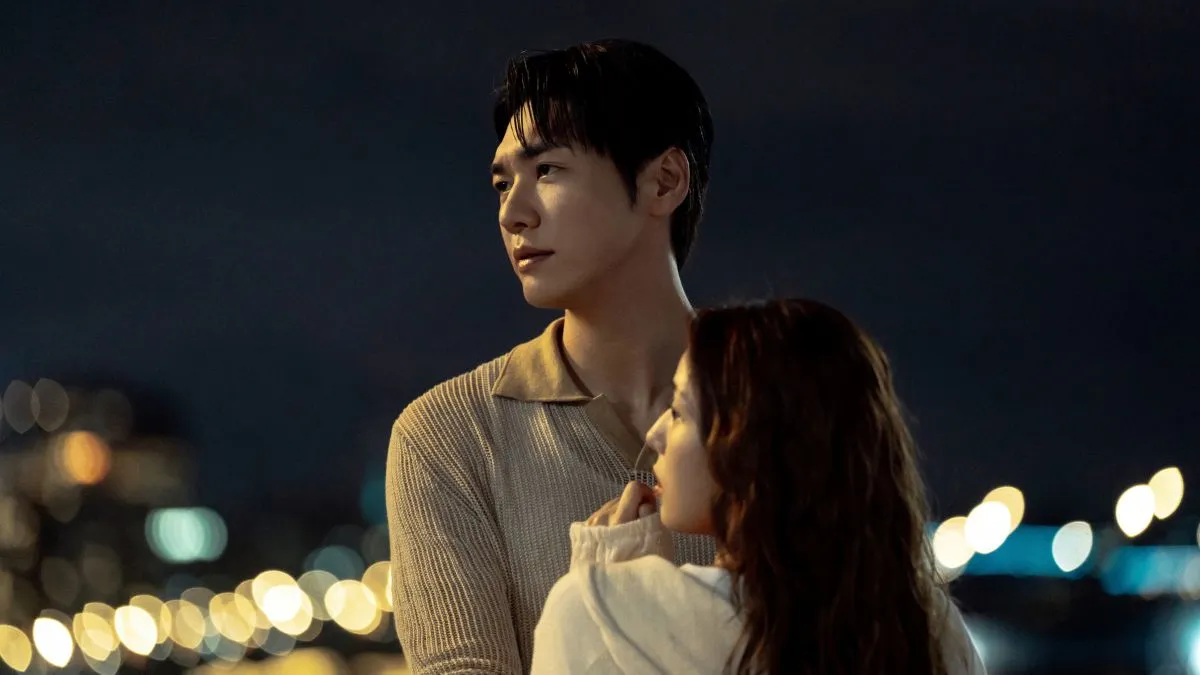
When a lightning‑charged scriptwriter meets a billionaire with an artificial heart, sparks are inevitable—literally. Take Charge of My Heart (the Netflix Korean romantic comedy series) turns this quirky premise into a breezy, laugh‑filled romp that never pretends to reinvent the genre but delivers exactly what it promises: charm, comedy, and a surprising amount of heart. Directed by Park Soo‑won and adapted from Hae Beon’s web novel Charge Me Up, the show packs ten 60‑minute episodes into a binge‑worthy experience that leans heavily on the chemistry of its leads, Kim Young‑kwang and Chae Soo‑bin. Below, we break down what makes the series work, where it stumbles, and why it’s still a worthwhile watch for anyone seeking a feel‑good K‑drama.
Synopsis
Na Bo‑bae is a talented drama scriptwriter whose childhood encounter with lightning left her able to generate electricity through her skin—an ability that makes casual touching a hazardous affair. Baek Ho‑rang, a wealthy TS Group executive, relies on a battery‑powered artificial heart that constantly runs low on charge. When Ho‑rang discovers that Bo‑bae’s bio‑electricity can recharge his device, he proposes a pragmatic arrangement: she charges his heart, and he offers financial compensation. What begins as a transactional deal slowly evolves into something far more personal, as both characters confront their fears, ambitions, and the unexpected joy of genuine connection. The series navigates their growing bond while sprinkling in corporate intrigue, familial expectations, and a few side‑characters who add texture without stealing the spotlight.
Performances
Kim Young‑kwang steps into Ho‑rang’s polished shoes with a deft balance of arrogance and vulnerability. His portrayal of a control‑obsessed CEO who learns to loosen his grip feels authentic, especially as his stoic façade cracks under Bo‑bae’s unpredictable energy. Chae Soo‑bin shines as Bo‑bae, capturing the character’s clumsy charm, imaginative daydreams, and the quiet yearning to experience the romance she writes about. Her physical comedy—especially the moments where an accidental zap sends Ho‑rang jumping—provides many of the show’s biggest laughs.
The supporting cast does more than fill background space. Cha Woo‑min’s Ji Eun‑ho offers a nostalgic echo of Bo‑bae’s past, serving as both a confidant and a subtle love‑triangle catalyst. Jung Jae‑kwang’s Choi Do‑yon and Shin Do‑hyun’s Han Seol‑hui enrich the corporate and familial subplots, while Heo Dong‑won’s Yun Jae‑ho and the occasional appearances of Kim Mi‑kyung, Yang Hyun‑min, Kim Ah‑young, and Choi Min‑ho round out the ensemble with competent, if understated, performances. Overall, the cast’s chemistry is the series’ strongest asset, making even the most contrived scenarios feel endearing.
Behind the Lens
Director Park Soo‑won maintains a light‑toned visual style that matches the show’s comedic rhythm. The cinematography leans on bright, saturated palettes during the rom‑com moments and shifts to cooler tones when the series touches on Ho‑rang’s medical stakes—a subtle visual cue that underscores the contrast between his clinical world and Bo‑bae’s whimsical imagination.
The adaptation stays faithful to Hae Beon’s original web novel while trimming excess lore to fit a ten‑episode format. Writer‑room decisions prioritize humor over melodrama, allowing the central premise—electricity as a metaphor for connection—to shine without becoming a gimmick. Production values are solid: set design captures the sleekness of TS Group’s headquarters alongside the modest, lived‑in feel of Bo‑bae’s apartment, and the costume department effectively signals Ho‑rang’s high‑status aesthetic versus Bo‑bae’s more relaxed, creative wardrobe.
The series’ soundtrack, though not overtly memorable, supports the tonal shifts, using upbeat tracks for comedic beats and softer melodies during introspective scenes. Editing keeps the pacing brisk; each episode resolves a small narrative beat while nudging the overarching romance forward, ensuring viewers remain engaged without feeling rushed.
Final Verdict
Take Charge of My Heart does not aim to break new ground in storytelling; its plot beats are familiar, and its conflicts often follow expected trajectories. Yet the show’s strength lies in its self‑awareness and commitment to delivering pure, unpretentious entertainment. The central romance thrives because the leads embrace both the absurdity and sincerity of their situation, turning what could have been a one‑note joke into a genuinely affectionate partnership.
If you’re searching for a deep dive into corporate intrigue or a groundbreaking narrative twist, this series may leave you wanting more. However, for viewers craving a light‑hearted, laugh‑laden K‑drama with a sprinkle of romance and a dash of sci‑fi whimsy, Take Charge of My Heart hits the mark. Its humor, anchored by standout performances from Kim Young‑kwang and Chae Soo‑bin, makes it an easy recommendation for a weekend binge or a casual weekday escape.
Also Read:
“Take Charge of My Heart” – Netflix’s Fresh Supernatural Romance Set to Electrify K‑Drama Fans