


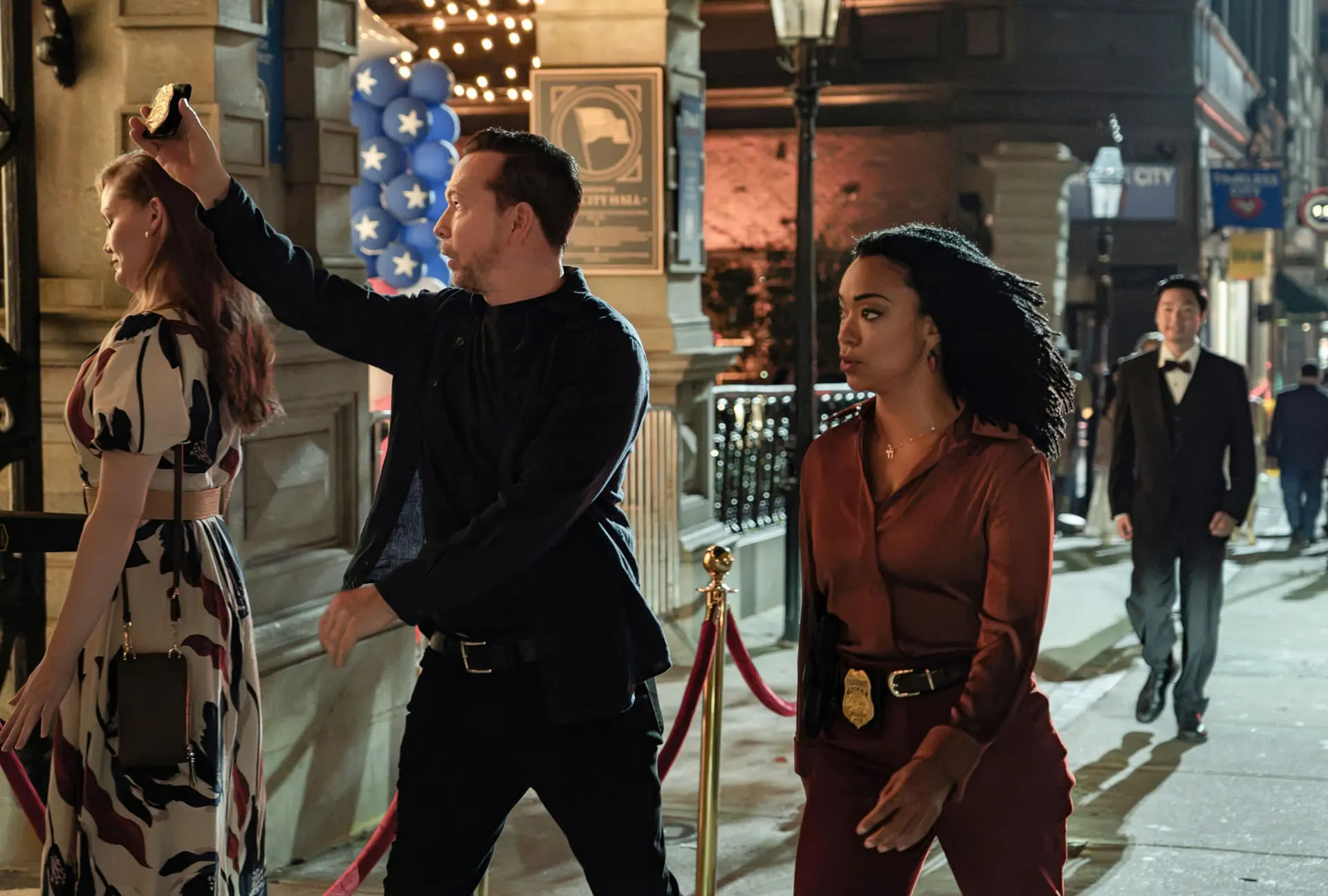
When Boston Blue returned on October 9th, it carried the weight of a legacy that many thought had run its course. The original Blue Bloods proved that a Friday‑night police drama could thrive for fourteen seasons, turning a seemingly doomed time slot into a ratings juggernaut. The spinoff inherits that pedigree, swapping the Reagan dynasty for a Boston‑based precinct while keeping the core ingredient that made the predecessor work: the sense of home that gathers around a dinner table. This review explores whether the second season manages to honor that tradition while injecting enough newness to feel relevant in today’s television landscape.
Synopsis
Detective Danny Reagan (Donnie Wahlberg) settles into his second year with the Boston Police Department, having moved closer to his youngest son, Sean. The season follows Danny as he balances fresh cases with evolving personal dynamics—his rekindled romance with former partner Baez, the integration of her family into his household, and the expanding Reagan‑Silver network that now includes Jonah, the son of District Attorney Mae Silver. Throughout, the show maintains its hallmark blend of procedural rigor and intimate family moments, presenting a mosaic of perspectives that reflects a modern, multicultural America without losing the emotional anchor of shared meals.
Performances
Donnie Wahlberg continues to anchor the series with a portrayal that is both rugged and surprisingly nuanced. He navigates Danny’s moral complexities with a steady hand, delivering moments of levity that feel earned rather than forced. Marisa Ramirez shines as Baez, offering a blend of toughness and vulnerability that makes her partnership with Danny compelling.
The supporting cast—Mika Amonsen as Sean, Marcus Scribner as Jonah, and Gloria Reuben as Mae Silver—each bring distinct energies that enrich the ensemble. Veteran Len Cariou’s return as Henry Reagan provides a warm, sage presence, while newcomer Will Estes revitalizes the younger Reagan brother role. Guest appearances from Bridget Moynahan, Will Hochman, and Maggie Lawson add familiar faces that reward long‑time fans while welcoming newcomers.
Behind the Lens
Showrunners Brandon Sonnier (The Blacklist) and Brandon Margolis (L.A.’s Finest) opt for evolution over revolution. They retain the successful procedural skeleton—case‑of‑the‑week investigations intertwined with long‑running character arcs—but broaden the lens to incorporate varied cultural viewpoints and contemporary social themes. The writing staff balances courtroom‑level tension with heartfelt dinner‑table scenes, ensuring that the procedural never overshadows the familial core. Cinematography leans into Boston’s gritty streets and precinct interiors, using muted palettes that shift to warmer tones during household gatherings, visually reinforcing the show’s thematic contrast between external danger and internal sanctuary. The score, subtle yet evocative, underscores both the suspense of investigations and the tenderness of family moments.
Final Verdict
Boston Blue season 2 succeeds in proving that a time‑tested formula can feel revitalized when handled with respect for its roots and an eye toward inclusivity. The series retains the comforting rhythm of Sunday‑style reunions while allowing its characters to grow, love, and clash in ways that mirror today’s diverse society.
Donnie Wahlberg’s magnetic lead performance, bolstered by a strong, varied cast, keeps the procedural engaging, and the showrunners’ thoughtful tweaks prevent the narrative from feeling stale. For fans of the original Blue Bloods and newcomers alike, this season offers a satisfying blend of crime‑solving gravitas and heartfelt family drama—proof that the secret ingredient of home remains as potent as ever.