

When One Hundred Years of Solitude finally arrived on Netflix, expectations were sky‑high. Transforming Gabriel García Márquez’s Pulitzer‑winning novel into a two‑part, 16‑episode saga felt like a cinematic Everest—particularly because the source material is famed for its intricate magical realism and sprawling family saga. The first part paved the way, but it is the second installment that truly tests whether ambition can coexist with fidelity. Released on August 5, the new episodes thrust a modernizing Macondo into the vortex of foreign exploitation, political upheaval, and internal decay, all while preserving the lyrical heart of the original work.
Synopsis
Part 2 follows the Buendía lineage as Macondo opens its doors to the outside world. The arrival of a railway, a booming banana company, and a wave of new personalities reshapes the town’s destiny. Central figures—twin brothers Aureliano Segundo and José Arcadio Segundo, along with Aureliano’s austere wife Fernanda—navigate love, ambition, and the clash between tradition and progress. Their choices ripple through the family, igniting betrayals, alliances, and a haunting sense that the very act of modernization may be a conduit for exploitation. The narrative weaves personal tragedy with national history, suggesting that the fate of one family mirrors the fate of a nation in transition.
Performances
Laura Mora, Natalia Santa, and Camila Brugés spearhead the ensemble, delivering performances that oscillate between lyrical repose and visceral intensity.
- Aureliano Segundo (played by Camilo Rojas) embodies the seductive allure of excess, his charisma balanced by an undercurrent of inevitable self‑destruction.
- José Arcadio Segundo (Luis Mendoza) portrays a quiet, brooding energy, his stoic demeanor belying a deep internal conflict.
- Fernanda del Carpio (María Gómez) brings a rigid propriety that feels both foreign and painfully familiar, turning her into the family’s moral compass and, paradoxically, its greatest source of tension.
Supporting actors—particularly the veteran cast returning as the aging patriarchs—add layers of gravitas, reinforcing the cyclical nature of the Buendía saga. While some secondary characters occasionally drift into melodramatic territory, the core trio anchors the story with authenticity and emotional depth.
Behind the Lens
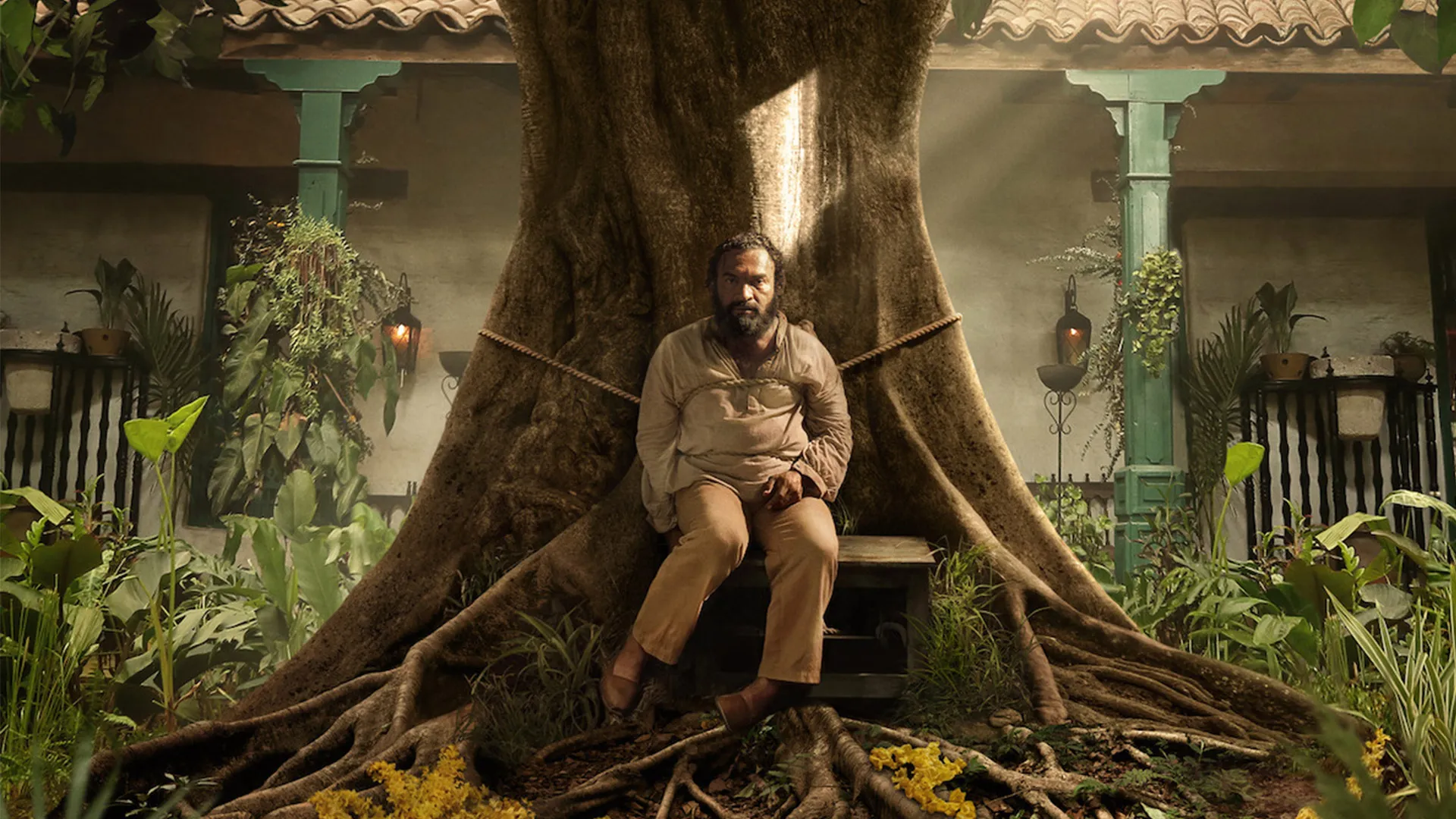
Director Laura Mora also serves as lead showrunner, guiding the adaptation with a clear visual grammar that respects the novel’s mythic quality while embracing contemporary cinematic language. The production design captures Macondo’s lush tropical vibe—open‑door mansions, tangled vines, and bustling market squares—without resorting to cliché. Cinematographer Diego López employs a warm, saturated palette that evokes the golden haze of memory, while the occasional desaturated frames signal the encroaching industrial coldness brought by the railroad and the banana conglomerate.
Musically, composer Andrés Vega blends traditional Colombian folk motifs with subtle electronic textures, echoing the tension between heritage and modernity. The soundscape, especially the recurring train whistle, functions as an auditory leitmotif, signaling the inevitable march of change.
The series’ most daring choice is its treatment of magical realism. Rather than treating the supernatural as a visual spectacle, the show integrates it seamlessly into everyday life—rain that lasts four years, ghosts that whisper from the kitchen, and characters who age in inexplicable ways. This restrained approach preserves the novel’s philosophical ambiguity and prevents the spectacle from overwhelming the human drama.
Final Verdict
One Hundred Years of Solitude Part 2 succeeds where many literary adaptations falter: it honors the source material’s thematic core while delivering a narrative that feels both epic and intimate. The season’s pacing improves on its predecessor, offering clearer arcs and a more disciplined structure that allows the political commentary—particularly the critique of foreign banana enterprises—to shine without drowning the personal stories.
Admittedly, the series occasionally leans on familiar tropes, and certain storylines feel stretched to fill episode length. Nonetheless, these flaws are outweighed by the ambitious scope, the strong central performances, and the visual poetry that mirrors García Márquez’s prose. For fans of the novel, the show provides a respectful homage; for newcomers, it offers a compelling entry point into a world where everyday life and the fantastical coexist.
In the crowded arena of streaming adaptations, Netflix’s rendition of One Hundred Years of Solitude stands as a bold experiment that, despite imperfections, proves that even the most “unfilmable” literature can find a home on the screen.