


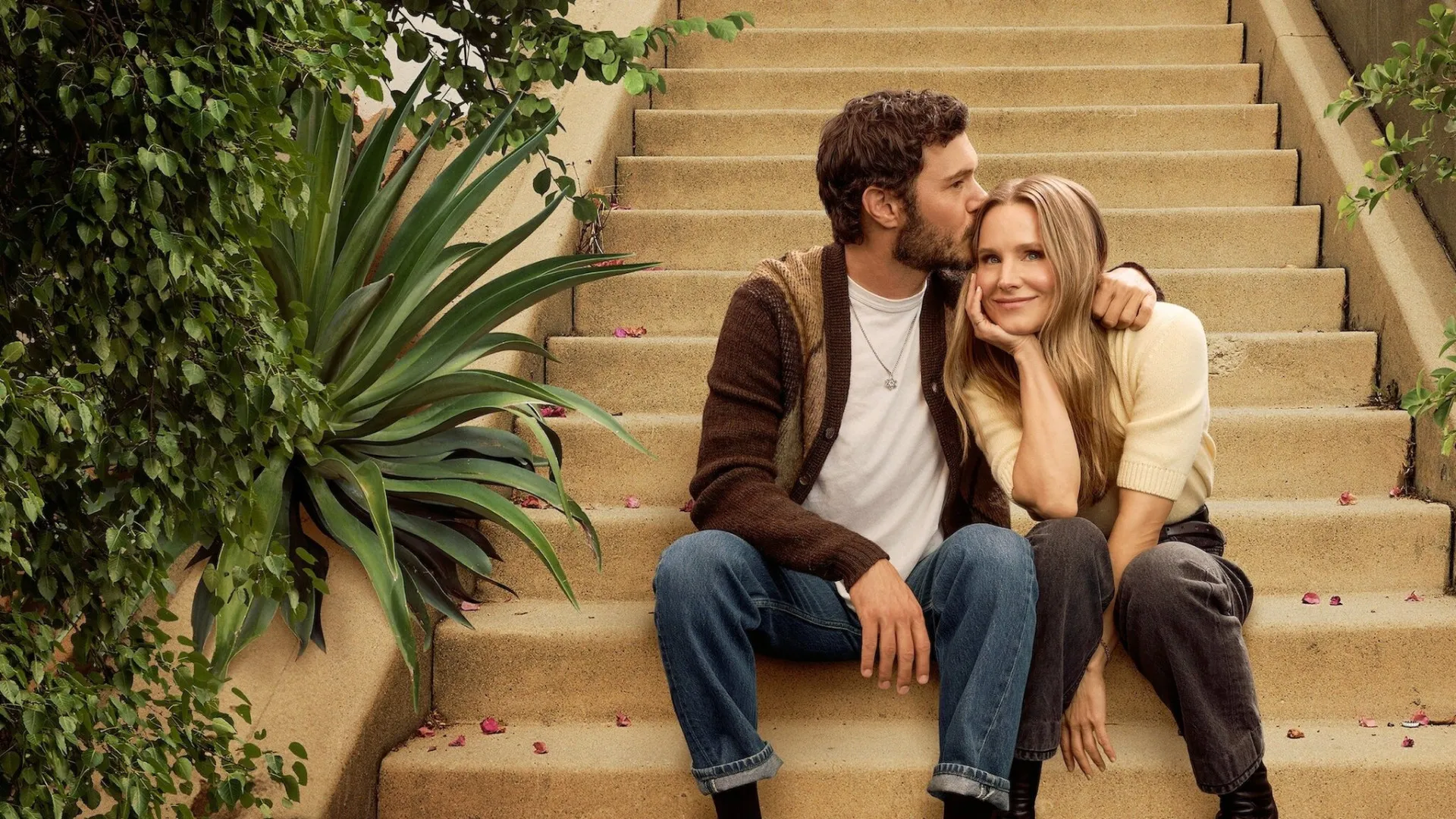
The third season of Nobody Wants This delves deeper into the quietly revolutionary act of building a life together, transforming domestic bliss into a rich exploration of compromise, identity, and the subtle negotiations that define modern love. Noah (Adam Brody) and Joanne (Kristen Bell) navigate the exhilarating, often messy reality of cohabitation, where morning routines become battlegrounds for understanding and shared silence speaks louder than grand gestures. Moving beyond mere romance, the season examines how love adapts when faced with cultural shifts, family expectations, and the enduring complexity of long-term connection—all while maintaining the show’s signature warmth and sharp observational humor. This isn’t just about whether they’ll make it; it’s about how they make it work, one imperfect moment at a time.
Synopsis
After deciding to merge their lives, Noah—a rabbi-in-training—and Joanne—a relationship podcaster—discover that happiness isn’t a static state but a daily practice forged through contrasting rhythms. Noah craves peaceful dawn walks; Joanne thrives on caffeine and celebrity news. Their journey reveals how love requires not just tolerance of differences, but active curiosity about why those differences matter. As they adjust shared spaces (and schedules), external pressures arise: Joanne’s exploration of Judaism introduces new dynamics with Noah’s family and community, while lingering ties to past relationships test their foundational trust. The season focuses on the quiet courage it takes to build something lasting when the path forward isn’t always clear—or equally lit for both partners.
Performances
Kristen Bell and Adam Brody deliver performances that anchor the season’s emotional authenticity. Bell portrays Joanne with a rare blend of vulnerability and steely determination—her character’s journey toward religious exploration feels earned, never performative, especially in scenes where she grapples with belonging versus conviction. Brody’s Noah is a masterclass in restrained earnestness; his eagerness to please never tips into caricature, instead revealing a man learning that true accommodation sometimes means sitting with discomfort rather than fixing it. Their chemistry thrives in unspoken moments—the way Joanne steals Noah’s coffee spoon, or how he silently adjusts her pillow—which conveys years of history far more effectively than dialogue ever could.
The supporting cast shines too: Tovah Feldshuh brings layered warmth and tension as Noah’s mother Bina, while Justine Lupe and Timothy Simons inject vital, hilarious energy as Morgan and Sasha, proving that the show’s heart expands beautifully beyond the central couple.
Behind the Lens
Where Nobody Wants This Season 3 truly excels is in transforming the mundane into the meaningful. The writers treat domestic details—not as filler, but as narrative currency: a crowded dishwasher rack symbolizes unequal labor; shared closet space becomes a metaphor for blurred boundaries; the simple act of waking a partner to celebrate “we live together” reframes cohabitation as an ongoing choice.
The season’s strength lies in its refusal to rush major themes. Joanne’s conversion arc, while consequential, avoids becoming a checklist item—instead, it’s woven through everyday friction (like navigating holiday traditions) that makes her internal struggle palpable. However, the show occasionally stumbles when broader implications outpace personal reflection; Joanne’s late-season speech on purpose lands powerfully, yet it highlights how infrequently we witness her sit with the weight of her choice amid the whirlwind of others’ reactions. Similarly, Esther’s post-divorce journey feels underdeveloped compared to Morgan’s vibrant new confidence, leaving her arc slightly unresolved despite strong work from Jackie Tohn. These gaps don’t derail the season but hint at where deeper exploration could elevate an already thoughtful narrative.
Final Verdict
Nobody Wants This Season 3 succeeds because it understands that love’s greatest adventures happen in kitchen socks and mismatched mugs—not just altar steps or vacation vistas. By grounding profound questions about faith, family, and self-discovery in the texture of shared mornings and silent understandings, it delivers a refreshingly honest portrait of partnership. Bell and Brody’s nuanced performances elevate familiar tropes into something tender and true, while the ensemble cast ensures the world feels lived-in and expansive. Though certain threads (particularly Esther’s spiritual reckoning and the full depth of Joanne’s internal shift) could have been given more room to breathe, the season’s core triumph remains undeniable: it finds extraordinary resonance in the ordinary act of choosing each other, again and again, amidst life’s beautiful, necessary clutter.
For viewers seeking humor with heart and insight without pretension, this is essential viewing—a reminder that happiness isn’t found in perfection, but in the willingness to negotiate the house rules together.
Also Read:
Selena Gomez Returns with Retro-Pop Glow on “In The Dark” for “Nobody Wants This” Season 2