


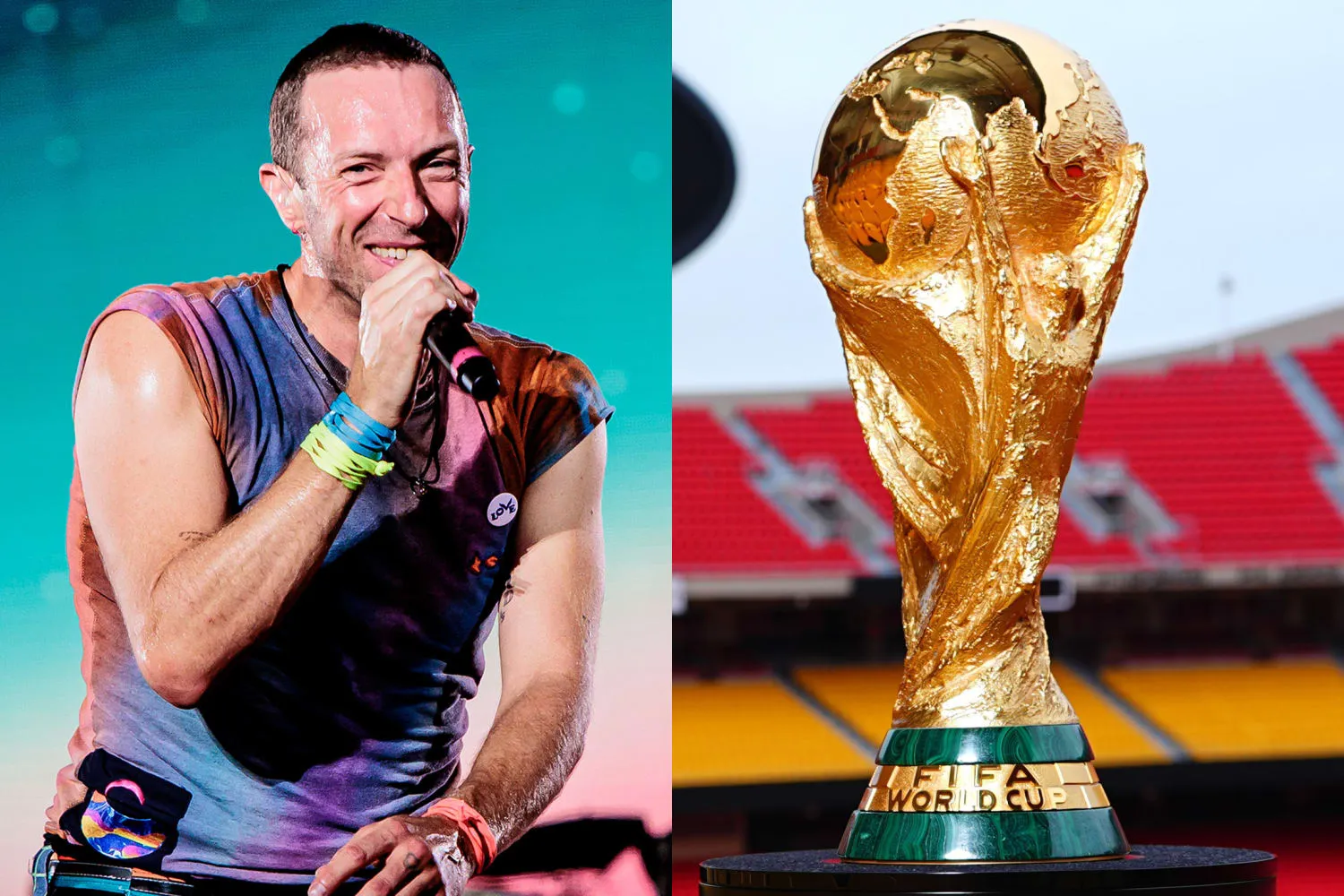
The landscape of international football is preparing for a monumental transformation as FIFA announces a massive shift in how the 2026 World Cup final will be presented. For the first time in the history of the tournament, the governing body will implement an extended entertainment interval, drawing inspiration from the high-production broadcasts seen in American sports. Set to take place on July 19 at MetLife Stadium, the final match will features a grand-scale halftime performance headlined by the iconic band Coldplay.
A New Era for International Football
Gianni Infantino, the president of FIFA, has officially confirmed that the upcoming final will break away from the traditional 15-minute resting period that fans have known for decades. Instead, the break will be stretched to 25 minutes to allow for a comprehensive musical production. This decision follows a successful trial of a similar entertainment-focused format during the 2025 Club World Cup final. That event showcased how sports can successfully merge with mainstream pop culture, featuring sets from artists such as J Balvin, Doja Cat, Tems, and Coldplay.
Chris Martin at the Creative Helm
While the performance will be headlined by Coldplay, the creative vision for the entire event will be overseen by the band’s frontman, Chris Martin. Rather than acting as a solo performer, Martin will serve as a creative director for the segment, helping to curate a diverse assembly of global talent. The goal is to create what Infantino calls the biggest show in history, blending some of the most influential names in the music industry with the prestige of world-class football. Reports suggest the extended time is necessary to facilitate the complex logistics of building and dismantling massive stages on the pitch, a move very similar to the production of the Super Bowl Halftime Show.
Strategic Hydration and Gameplay Adjustments
The shift in timing is not limited to the halftime break. FIFA is also set to introduce formal hydration breaks during the match itself. These three-minute pauses will occur roughly at the 22-minute mark of each half. While these breaks are intended to ensure player welfare, they represent another significant departure from the continuous flow that defines association football. Between the extended halftime and the scheduled cooling breaks, the total time of play-stoppage will be significantly higher than any previous world championship.
Global Reaction to the Entertainment Shift
The move has generated a polarizing response within the global football community. On one hand, the prospect of seeing the world’s biggest musicians on the pitch adds a new layer of commercial appeal and entertainment value to the event. On the other hand, many fans and purists have voiced concern on social media, arguing that these interruptions might destroy the natural rhythm and intensity of the game. The worry is that the focus is shifting away from the athletes and toward a commercial spectacle. Despite these criticisms, it is clear that FIFA is committed to rebranding the World Cup final as a hybrid entertainment event, ensuring it reaches the widest possible global audience through a blend of elite sport and massive musical productions.