

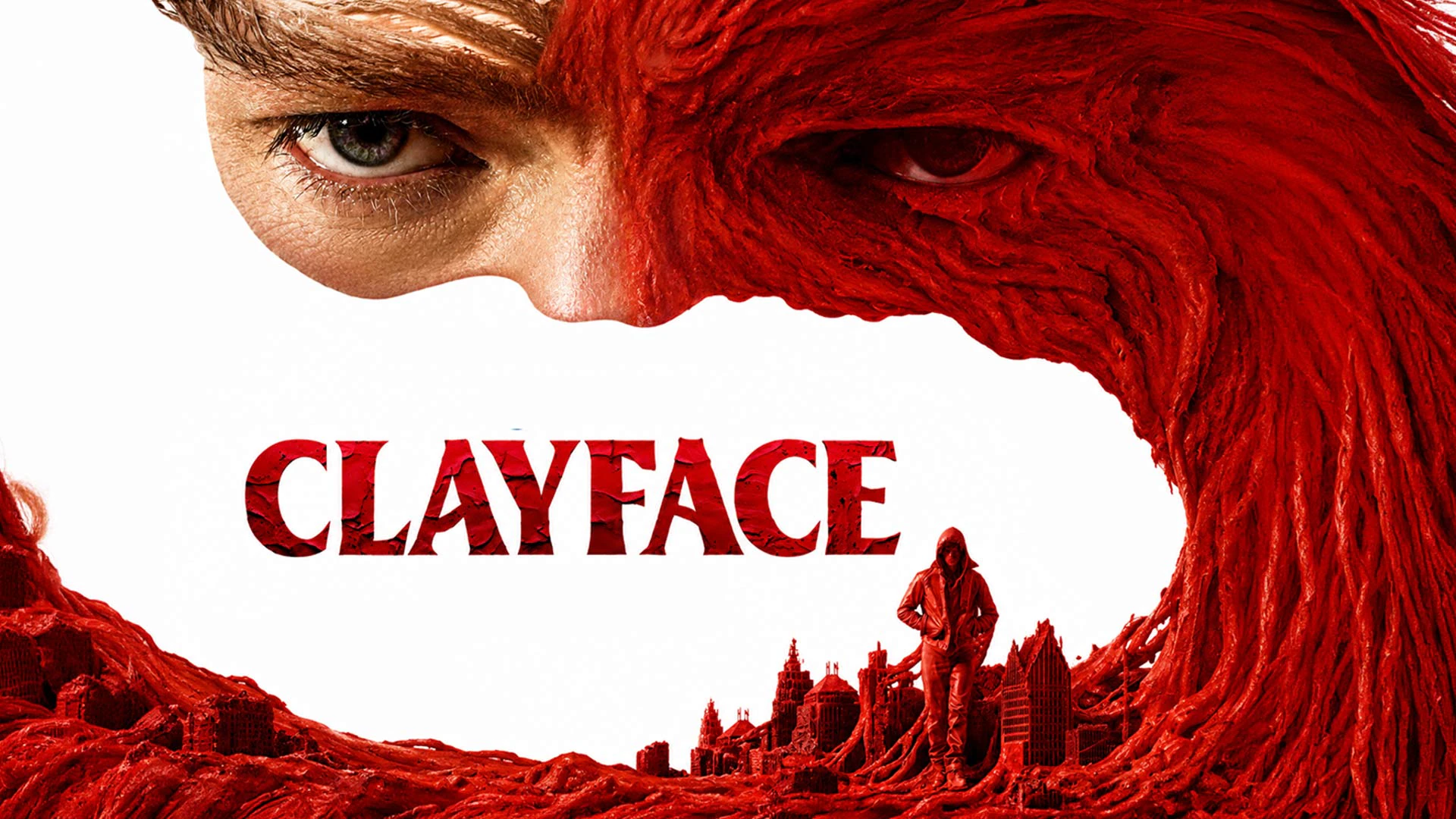
When Clayface hit theatres worldwide on October 23, 2026, it arrived as more than just a superhero‑adjacent spectacle. Produced by Warner Bros. Pictures and DC Studios, the film blends James Watkins’ tight direction with a script co‑crafted by Mike Flanagan and Hossein Amini. Starring Tom Rhys Harries as Matt Hagen—an Oscar‑nominated actor whose face is violently stripped away—and featuring standout turns from Naomi Ackie and Max Minghella, the picture promises a body‑horror thriller that interrogates Hollywood’s obsession with image. This review unpacks the film’s strengths and shortcomings, guiding general readers through its narrative core, performances, behind‑the‑scenes craft, and ultimate impact.
Synopsis
Matt Hagen enjoys a meteoric rise in film until a fateful night in Gotham leaves his visage mutilated by crime boss Markos Szabo. Stripped of the very feature that launched his career, Matt undergoes an experimental tissue‑repair procedure spearheaded by Dr. Caitlyn Corr (Naomi Ackie). The treatment restores his appearance but triggers uncontrolled, shape‑shifting growths that force him to confront both external betrayals and an internal metamorphosis. As Matt seeks vengeance against those who abandoned him, the line between survival and monstrosity blurs, driving a tense cat‑and‑mouse chase that pits his desperate need for recognition against a newly acquired ability to become anyone else.
Performances
Tom Rhys Harries carries the emotional weight of Matt Hagen with a restrained intensity that evolves from vulnerable victim to uneasy avenger. His portrayal captures the terror of losing one’s identity and the unsettling allure of regaining it through grotesque means. Naomi Ackie shines as Dr. Caitlyn Corr, delivering a nuanced performance that balances scientific ambition with genuine empathy; her chemistry with Harries feels both authentic and fraught with ethical tension. Max Minghella provides a grounded counterpoint as Detective John, whose personal ties to Caitlyn add layers of intrigue without overshadowing the central horror. Supporting turns—particularly the fleeting yet memorable appearance of the crime lord Szabo—enhance the film’s atmosphere of corrupt power and shattered trust.
Behind the Lens
Director James Watkins adopts a clinically precise visual language, allowing the horror to emerge from mundane settings—airplane lavatories, sterile labs, pulsating nightclubs—rather than relying solely on jump scares. Cinematographer Tim Ives uses tight framing and muted palettes to emphasize the claustrophobic nature of Matt’s condition, while occasional bursts of neon during the club sequence highlight the duality of visibility and invisibility. The practical effects team deserves praise for the tactile, unsettling prosthetics that depict Matt’s shifting flesh; the blend of CGI and makeup creates a convincing illusion of bodily horror that feels both organic and terrifying. The Newton Brothers augment the tension with a low‑drone score that swells during moments of transformation, underscoring the film’s thematic focus on the cost of reclaiming one’s image.
Final Verdict
Clayface succeeds as a striking meditation on how society equates worth with appearance. Its strongest asset lies in the lead performances—especially Harries’ harrowing journey and Ackie’s morally complex doctor—which ground the fantastical premise in palpable humanity. The film’s visual storytelling is inventive, using bodily horror not merely for shock but as a metaphor for the industry’s superficial valuation of talent. However, the screenplay occasionally stumbles when explaining Matt’s rapid descent into violence; the leap from desperation to calculated murder feels undertheorized, leaving certain motivational gaps. Despite these narrative hiccups, the climactic nightclub sequence showcases clever use of Shapeshifting abilities, delivering both spectacle and thematic resonance.
Overall, Clayface earns a recommendation for viewers who appreciate character‑driven horror with a social edge. It may not redefine the genre, but it offers a compelling, visually arresting experience that lingers long after the credits roll.
Also Read:
DCU Unleashes “Clayface”: A Gory Deep Dive into Batman’s Most Disturbing Villain