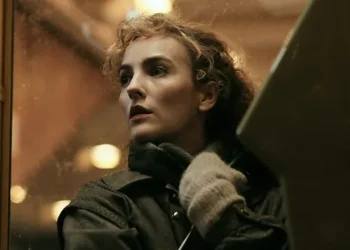


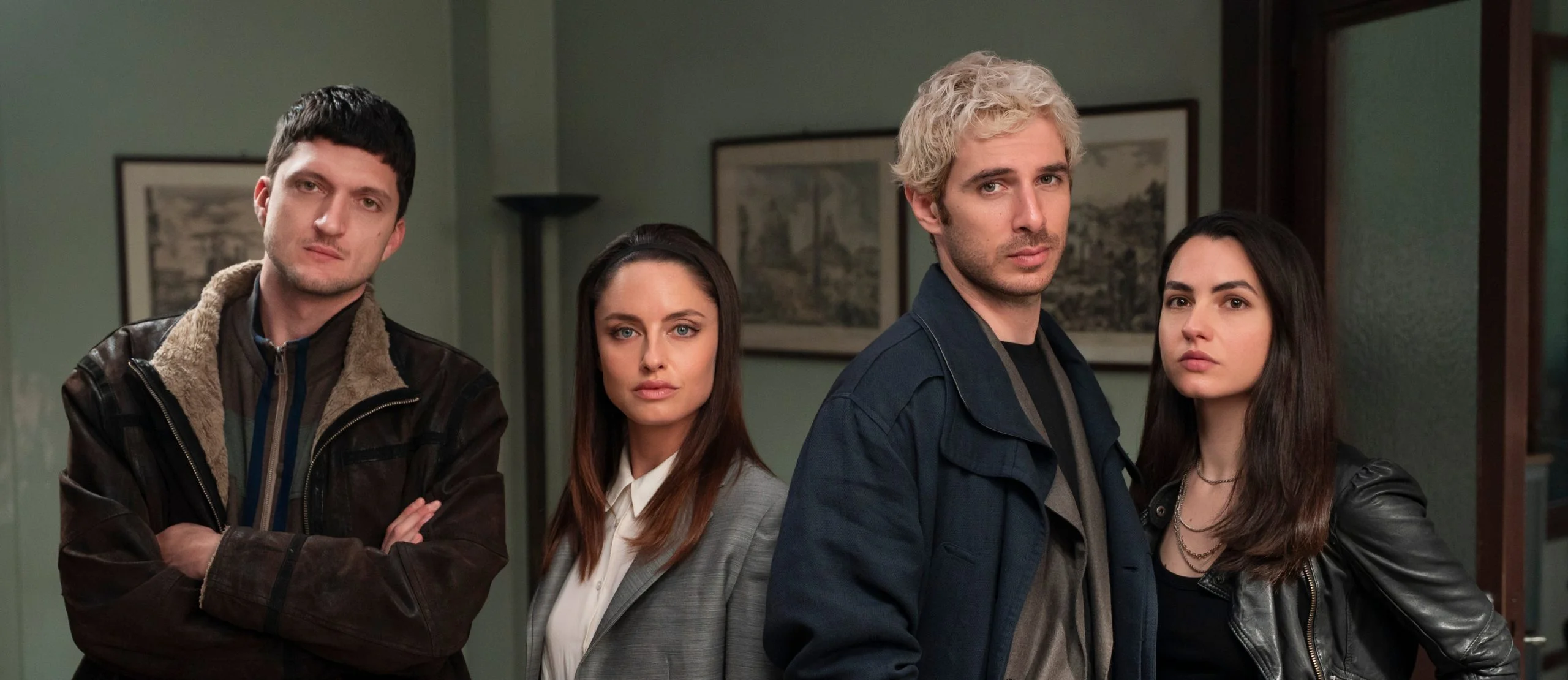
Netflix released ChiaroScuro globally on November 11, 2026, offering viewers an Italian crime comedy-drama built around the intersection of fine art and criminal investigation. Director Jan Maria Michelini leads an unlikely pairing: an art expert with a talent for spotting forgeries and a police inspector who prefers procedure over instinct. The series follows Cosmo Speranza as he moves through Rome’s museums, auction houses, and private galleries, using visual knowledge to decode violent crimes. Beneath the procedural surface runs a personal mystery involving Cosmo’s father, a former teacher and accomplished forger whose own history casts a long shadow over the present.
Synopsis
Cosmo Speranza earns his living by exposing counterfeit artwork, a skill that brings him to the attention of law enforcement. After identifying a forged Titian at a social event, he strikes a deal with the police: consult on difficult cases in exchange for avoiding prosecution. His first major test arrives when a museum director is found dead in a pose echoing an Artemisia Gentileschi painting, with a wound suggesting a rare square-shank nail and a missing canvas from restoration. As Cosmo partners with Inspector Angelo Tiberi, the investigation leads through Rome’s art market and into the fragmented story of Cosmo’s own childhood. Over eight episodes, standalone cases provide rhythm while a larger question about family, memory, and authenticity remains unresolved.
Performances
Pierpaolo Spollon plays Cosmo with theatrical confidence softened by an undercurrent of sadness. His refusal to carry a phone signals a character who wants to control every interaction, yet Spollon ensures that Cosmo’s eccentricities do not become his only defining trait. Andrea Lattanzi portrays Angelo Tiberi as a measured counterweight, offering restraint that makes the duo’s friction entertaining rather than repetitive. Alessandro Preziosi delivers emotional weight as Rufo, Cosmo’s father and the source of both his expertise and his trauma. Romana Maggiora Vergano, Aurora Giovinazzo, and Matilde Gioli complete the ensemble as figures connected to law enforcement, the art world, and Cosmo’s complicated family tree, though their professional lives receive lighter development in the early going.
Behind the Lens
Michelini’s direction keeps Rome present as more than a backdrop, showing museums and auction rooms alongside traffic, neighborhoods, and ordinary daily demands. The series distinguishes itself by making deduction visible; when Cosmo studies a painting, his attention moves across the canvas in ways the audience can follow. Authentication records, personal relationships, and access matter as much as a confident eye, placing judgment inside a network of transactions.
The limited use of graphic violence leaves space for conversation and personal reaction, while the opening forgery establishes that impressive rooms and assured declarations cannot be trusted. The approach follows a familiar investigative routine, but that familiarity lets viewers settle in before the story turns toward Cosmo’s uncertain past.
Final Verdict
ChiaroScuro succeeds by turning expert knowledge into both pleasure and uncomfortable authority. The paintings allow viewers to trace Cosmo’s reasoning, and the pairing of Spollon and Lattanzi provides warmth alongside sharp disagreement. Cosmo’s inherited skill becomes especially affecting when it forces him to examine the father who taught him to separate genuine objects from fakes. The writing grants the protagonist familiar exemptions for his misconduct and gives the female supporting characters less early attention than they might deserve. Still, the combination of art, comedy, and compromised family memory remains engaging throughout its eight-episode run. For audiences who enjoy procedural mysteries with cultural texture and emotional stakes, this Netflix series is worth attention.