

The first season of Beef arrived in 2023 as a brilliant, incisive shock to the system. A co-production between Netflix and A24 from creator Lee Sung Jin, its razor-sharp social commentary, rooted in the complexities of the Asian American experience, resulted in a truly singular and celebrated piece of television. For its second season, the series rebrands as an anthology, expanding its scope to tackle class warfare with a new, A-list cast. While ambitious, this new chapter struggles to replicate the specific, lightning-in-a-bottle energy of its predecessor, delivering a satire that feels more familiar and less potent.
Story
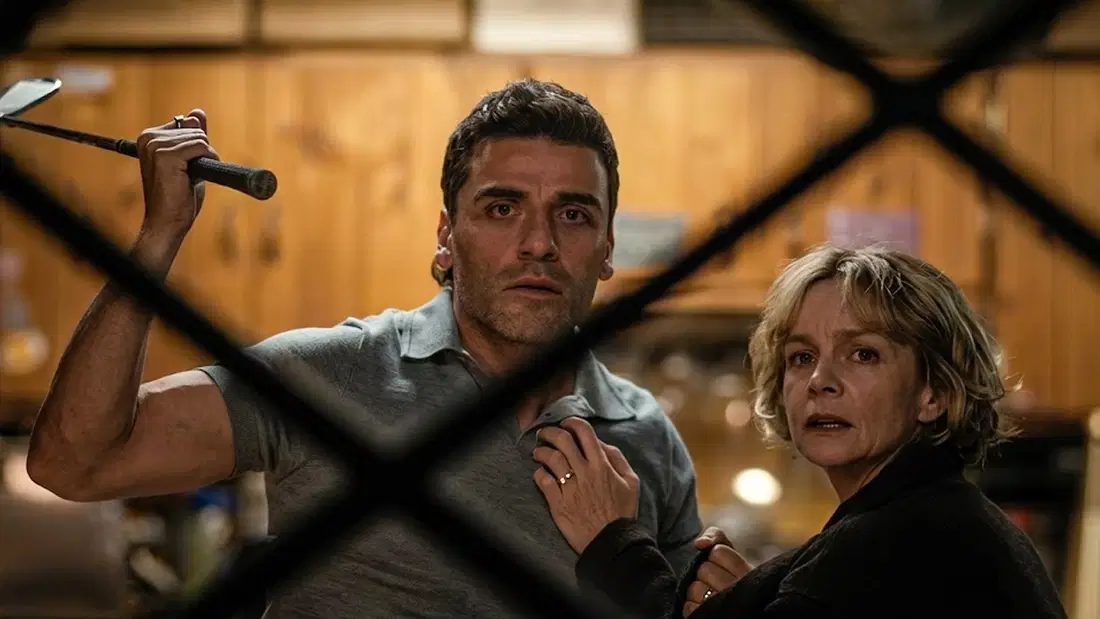
Beef Season 2 retains the core premise of a conflict sparked by a roadside incident, but scales it up. The feud now pits two couples against each other: the wealthy, deeply discontented Josh and Lindsay (Oscar Isaac and Carey Mulligan) and the working-class, aspiring Gen Z duo Austin and Ashley (Charles Melton and Cailee Spaeny). A violent altercation at a lavish country club fundraiser and a case of mistaken identity quickly spirals into blackmail, forcing the two pairs into a toxic, codependent entanglement.
The narrative is more sprawling and less focused than the tight, escalating vendetta between two individuals that defined Season 1. The central “beef” often takes a backseat to meandering domestic melodrama, exploring the couples’ internal struggles—Josh and Lindsay’s resentful stagnation and financial woes, versus Austin and Ashley’s naïve hustle. The satire aimed at generational divides and excessive wealth, while present, feels superficial and well-trodden, reminiscent of lesser seasons of similar “eat the rich” shows, lacking the groundbreaking nuance of the original.
Performances
Despite its stellar roster, the season’s character development often fails its actors. Oscar Isaac and Carey Mulligan are saddled with one-note, thinly written roles, leaving them little room to explore the depths of their characters’ misery beyond surface-level irritation. Cailee Spaeny fights against a trope-heavy role of a damaged young woman.
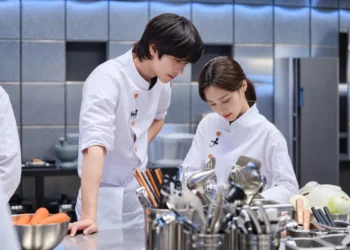
The clear standout is Charles Melton, who delivers a surprisingly layered performance. He masterfully balances the comedy of a Gen Z himbo influencer with a palpable sense of socioeconomic anxiety and yearning. It’s perhaps no accident that Melton, as the lone Asian-American lead, channels the most authentic remnants of the creator’s sharp social observation from the first season.
Behind the Lens
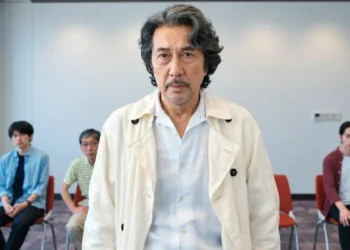
The season finds its most compelling pulse not in its core couples, but with the introduction of its wild card: ruthless Korean billionaire Chairwoman Park, played with delicious cunning by Youn Yuh-jung. Alongside her husband, Dr. Kim (a formidable Song Kang-ho), she injects a jolt of chaebol-fuelled conspiracy and K-drama salaciousness into the plot. This subplot, and the brutal climax it hurtles toward, provides the thrilling, satisfying shock that the main storyline often lacks. Creator Lee Sung Jin’s ambition to evolve the series is clear, but the execution lacks the focused precision that made his initial vision so groundbreaking.
Final Verdict
Beef Season 2 is not without its merits. Moments of thrilling drama and strong individual performances, particularly from Charles Melton and the legendary Korean actors, provide genuine entertainment. However, as a whole, this new outing feels like a step down. Its social commentary is blunter, its characters less defined, and its overall impact diluted in its attempt to become a broader, buzzier anthology. It’s a competently made season of television that unfortunately pales in comparison to the revolutionary brilliance of the first.
Beef Season 2 is streaming now on Netflix.