

Netflix’s latest Spanish offering, All The Truth In My Lies (original title Toda la verdad de mis mentiras), arrives as a five‑episode limited series that promises a blend of light‑hearted bachelorette shenanigans and deeper emotional undercurrents. Directed by María Togores and Marina Pérez, the show follows a tight‑knit group of lifelong friends whose camping road trip quickly devolves into a tangled web of unspoken feelings, lingering grudges, and reluctant confessions. While the premise reads like a fun, feel‑good romp, the execution leans heavily into melodrama, leaving viewers questioning whether the series truly capitalises on its intriguing setup. In this review we dissect the storytelling, highlight the performances, examine the production choices, and deliver a final verdict on whether the show is worth your time.
Synopsis
The narrative centres on Coco (Itziar Manero) and Marin (Daniel Ibáñez), longtime roommates who have sworn never to cross the line from platonic camaraderie to romance. Their pledge is tested when the group embarks on a weekend getaway to honour Blanca’s (Lucía de la Fuente) upcoming wedding. As the friends navigate shared tents, campfire conversations, and flash‑filled memories, old insecurities resurface. Aroa (Brays Efe) harbours an unrequited fascination for Marin, while Gus (Ricardo Gómez) and Loren (Clara Sans) find themselves unintentionally dragged into the fallout of the trio’s emotional tug‑of‑war. The series interweaves present‑day mishaps with nostalgic recollections, attempting to reveal how history shapes current behaviour—yet the pacing often stalls, leaving the central conflict feeling circular rather than progressive.
Performances
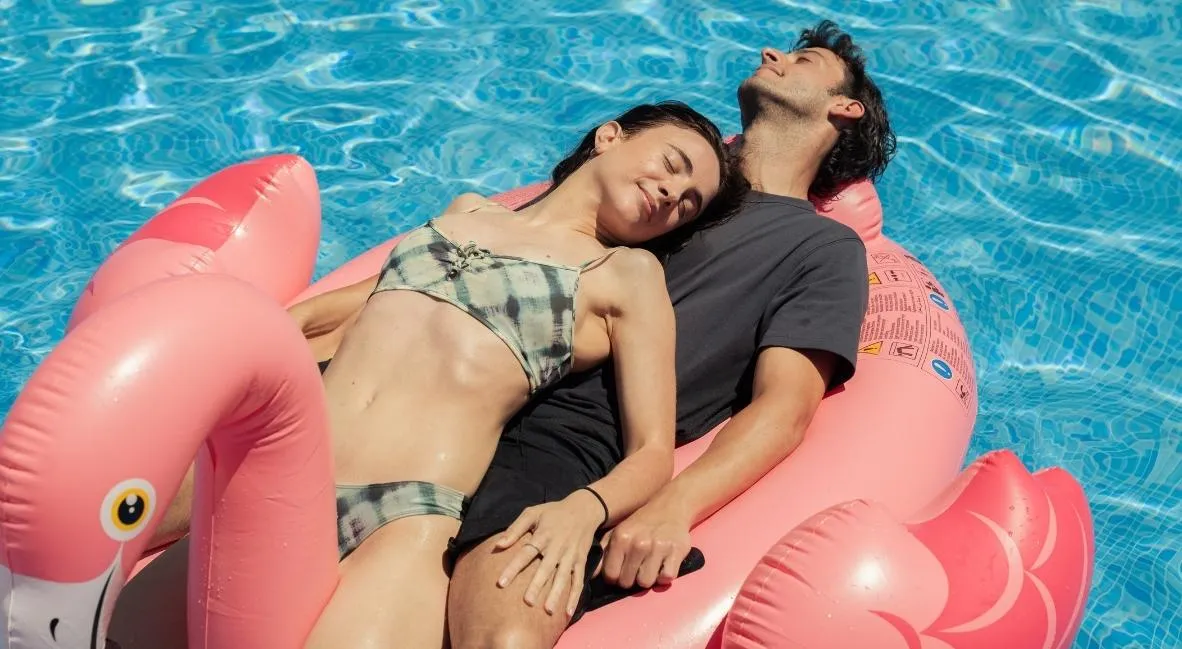
Itziar Manero and Daniel Ibáñez deliver the most grounded portrayals, capturing the subtle ease of two people who have lived side‑by‑side for years. Their chemistry thrives in quiet exchanges—glances, shared laughter, and the occasional hesitant touch—rather than in grandiose declarations. This restraint makes their bond believable, even when the script pushes them toward predictable romantic beats.
Brays Efe’s Aroa is a study in restless yearning; she conveys a mixture of admiration and desperation that occasionally tips into unsettling obsession. Efe manages to keep the character watchable, though the writing sometimes reduces her to a plot device rather than a fully realized individual.
Ricardo Gómez’s Gus and Clara Sans’s Loren provide necessary comic relief and occasional moments of sincerity, yet their arcs remain underdeveloped. Lucía de la Fuente’s Blanca, whose bachelorette party triggers the trip, shines brightest in scenes that showcase her vulnerability beneath the celebratory façade, though her potential as an emotional anchor is only partially realised.
Overall, the cast succeeds in making the interpersonal dynamics feel authentic, but the uneven material prevents any performer from truly shining throughout the entire season.

Behind the Lens
Directors Togores and Pérez opt for a visual style that alternates between bright, sun‑drenched outdoor shots and dimly lit interior flashbacks, aiming to mirror the contrast between outward cheer and inner turmoil. The cinematography is competent, making effective use of the natural landscape to enhance the sense of isolation that fuels the characters’ introspection.
Editing, however, is where the series falters. The frequent jump‑cuts between past and present, while informative, often disrupt narrative momentum, causing scenes to feel either dragged out or rushed. The five‑episode format (each 35‑40 minutes) works in the show’s favour by keeping the commitment low, yet the uneven pacing means some episodes linger on trivial disputes while others sprint through pivotal revelations.
The soundtrack leans on contemporary Spanish indie tracks, providing a pleasant auditory backdrop that occasionally underscores emotional beats but rarely elevates them. Production design successfully captures the camaraderie of a close‑friend group, with shared belongings and lived‑in spaces reinforcing the history between characters.
Final Verdict
All The Truth In My Lies presents an intriguing premise—friends confronting the fragile boundary between platonic affection and romantic desire—but struggles to translate that promise into a consistently engaging experience. The strongest asset lies in the nuanced chemistry between Coco and Marin, a relationship that feels genuine precisely because the series resists forcing an immediate romance. Aroa’s jealous fixation adds a necessary layer of tension, though her portrayal occasionally veers into melodrama.
Supporting characters Gus, Loren, and Blanca deserve deeper exploration; their current sidelining diminishes the overall emotional resonance of the group dynamic. The show’s tendency to circle back to the same emotional beats without meaningful progression leads to predictability, undermining any chance for genuine surprise.
For viewers seeking a light, binge‑worthy diversion that touches on friendship, love, and the masks we wear, the series offers enough charm to warrant a watch—especially given its short runtime. However, those looking for a tightly plotted, emotionally rich drama may find the execution lacking. In short, All The Truth In My Lies is a decent, if flawed, addition to Netflix’s Spanish catalogue, best enjoyed with modest expectations and a willingness to overlook its narrative loops.