


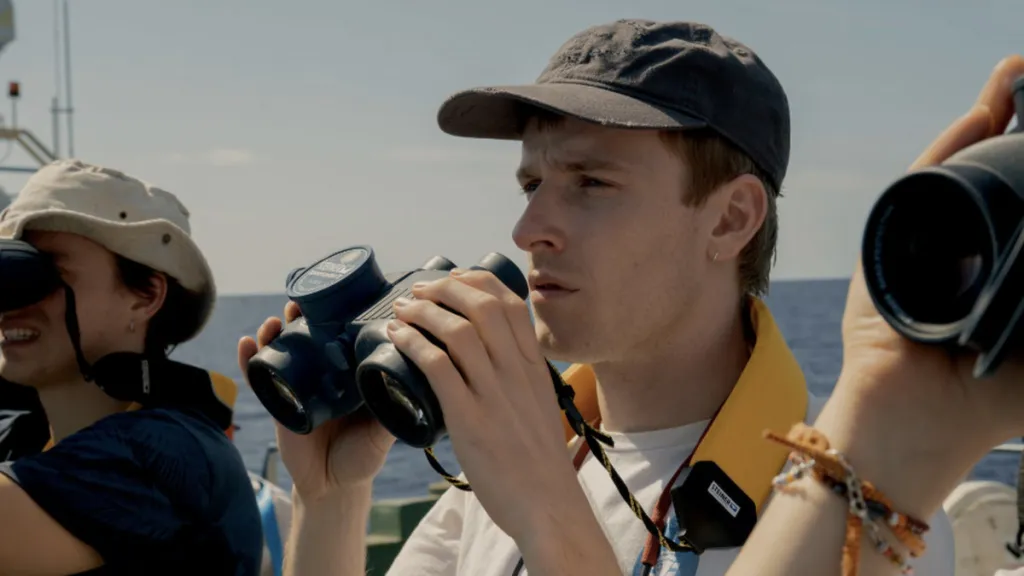
The documentary‑style feature 23,000 Lives plunges viewers into the frantic world of civilian sea‑rescue operations in the Mediterranean. Rather than a dry chronicle of policy, the film foregrounds the visceral experience of volunteers who turn compassion into concrete action on a rickety fishing vessel. Through tight editing, immersive sound design, and committed performances, it asks what happens when moral urgency collides with bureaucratic inertia. The result is a compelling, emotionally charged portrait that resonates far beyond its niche subject.
Synopsis
A group of young German activists, moved by the plight of refugees stranded off Libya, pool their limited resources to purchase an ageing trawler christened the Iuventa. With little nautical expertise but abundant conviction, they launch daring missions to pull migrants from overcrowded inflatables. The narrative follows their initial optimism, the physical toll of repeated rescues, and the growing strain caused by legal entanglements and governmental push‑back. Interspersed with intimate moments aboard the ship, the film traces how personal ideals evolve when confronted with the harsh realities of international law and human suffering.
Performances
Louis Hofmann anchors the film as Lukas, whose transformation from eager organizer to weary activist feels both subtle and convincing. Hofmann conveys a quiet internal shift through posture and gaze rather than overt melodrama, allowing the audience to sense his mounting exhaustion and guilt. Trevor Magaya and Kathy Etoa deliver standout supporting turns as rescued passengers Lamin and Rose. Magaya imbues Lamin with a warm, enduring humanity that survives the chaos of the sea, while Etoa captures Rose’s fierce maternal protectiveness, especially in scenes involving her infant. Their limited screen time is maximized through precise, emotionally resonant acting, giving the rescued faces a depth that the script occasionally overlooks elsewhere.
Behind the Lens
Director Markus Goller employs a rapid‑fire montage style to depict the frantic phases of fundraising, vessel refurbishment, and crew recruitment, effectively mirroring the volunteers’ youthful zeal. Once the Iuventa sets sail, the camera work shifts to handheld immediacy, thrusting viewers onto the deck amid slapping water, shouted commands, and the palpable tension of each rescue. The sound design—layered with radio chatter, engine roar, and the constant lap of waves—heightens the sense of being trapped in a volatile environment.
Goller’s decision to compress years of legal battles into brief courtroom checkpoints underscores the film’s central thesis: the moral clarity of the sea contrasts sharply with the opaque, procedural wrangling on land. While this approach amplifies the narrative’s urgency, it occasionally sacrifices nuance in portraying the opposing bureaucratic forces, rendering them more as obstacles than fully realized antagonists.
Final Verdict
23,000 Lives succeeds as a gripping, human‑centered chronicle of civilian rescue work, balancing heart‑pounding sea sequences with thoughtful reflections on activism’s costs. Its strengths lie in the authentic performances—particularly Hofmann’s restrained lead—and the immersive audiovisual texture that puts the audience in the midst of each operation.
The film’s legal aftermath, though informative, feels somewhat flattened, missing an opportunity to explore the systemic complexities that shape the volunteers’ struggle. Nevertheless, for viewers seeking a socially relevant story that marries emotional immediacy with cinematic craft, 23,000 Lives delivers a poignant, watch‑worthy experience.