

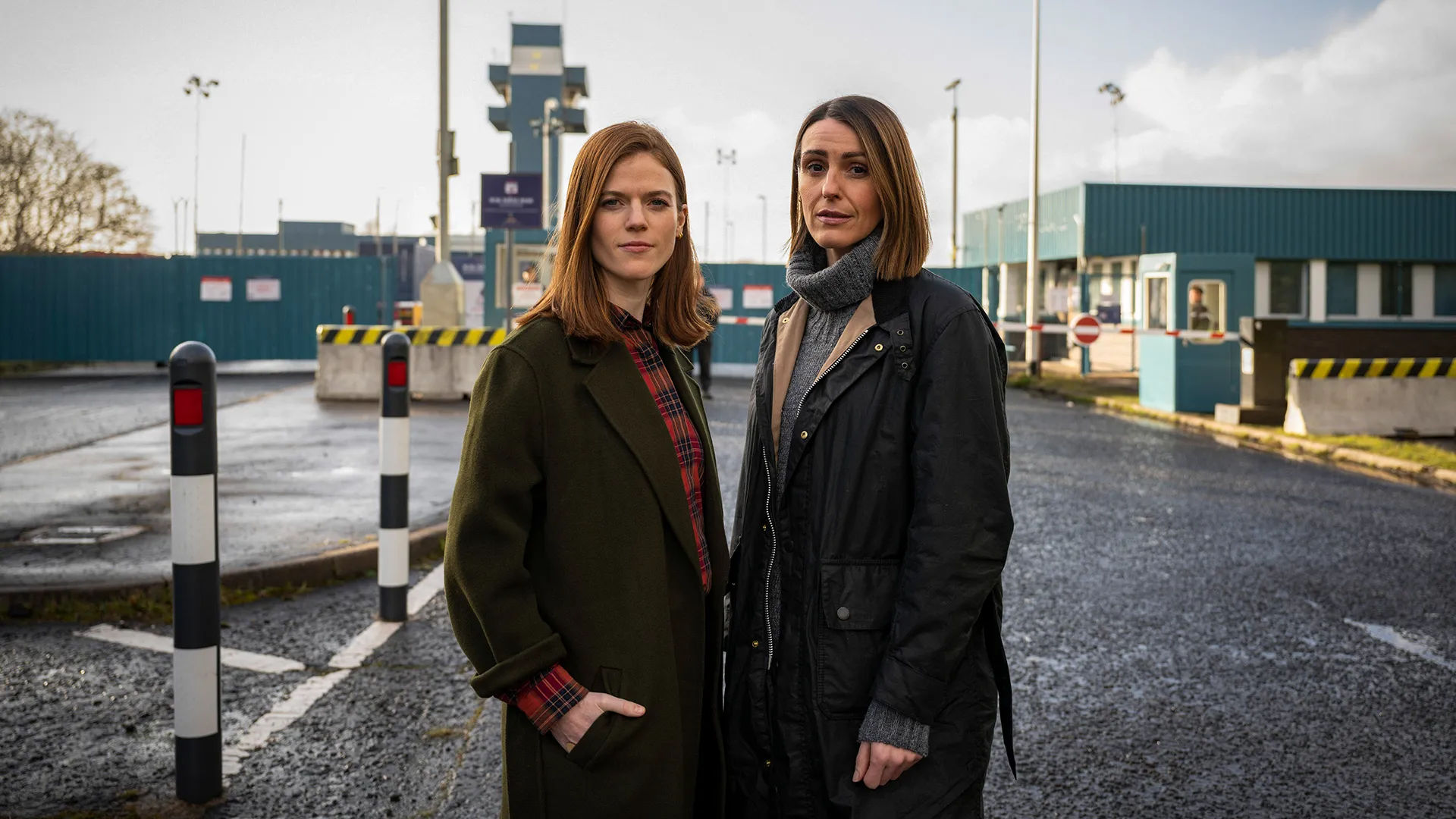
The third instalment of Vigil transports viewers from the claustrophobic hulls of submarines to the stark, wind‑scoured expanses of Svalbard. Premiered on BBC One and BBC iPlayer on 30 August 2026, the series swaps torpedo‑driven tension for a frosty battlefield where scientific ambition, intelligence games, and national interests collide. Detectives Amy Silva (Suranne Jones) and Kirsten Longacre (Rose Leslie) find themselves on opposite sides of a frozen divide, each chasing threads that promise to unravel a conspiracy far larger than a single murder. This review dissects how the show leverages its Arctic backdrop to sharpen its political commentary while maintaining the character‑driven core that has defined the franchise.
Synopsis
When a British special‑forces operative is discovered dead inside a Russian wardrobe at the remote research outpost of Baltegrad, the incident triggers parallel investigations. Detective Kirsten Longacre is dispatched to Svalbard to work alongside a joint Norwegian‑Russian team, probing the circumstances of the death while navigating a web of diplomatic overtures and covert agendas.
Meanwhile, back in Glasgow, Amy Silva pursues a leak from a climate conference that erupts into a laboratory explosion, linking the Arctic case to a broader struggle over emerging energy resources. The season foregrounds the melting ice as both a literal setting and a metaphor for shifting power, as nations jockey for control of valuable Arctic assets without overtly breaking the veneer of neutrality. The narrative weaves together espionage, scientific rivalry, and personal stakes, setting the stage for a thriller that questions how cooperation can swiftly give way to possession when strategic advantage looms.
Performances
Suranne Jones delivers a measured portrayal of Amy Silva, balancing authoritative resolve with the quiet vulnerability of a spouse coping with distance and moral ambiguity. Her performance anchors the Glasgow thread, allowing the audience to feel the personal cost of institutional secrecy.
Rose Leslie, as Kirsten Longacre, brings a tenacious curiosity to the Arctic investigation, portraying a detective who is both outsider and reluctant insider within a multinational task force. Leslie’s nuanced shift from scepticism to cautious trust—especially in her uneasy alliance with Russian investigator Fyodor Zamorin—adds layers to the series’ exploration of loyalty under pressure.
The supporting cast, including the Norwegian police chief Becken and the various intelligence officers, provides credible texture without overshadowing the central duo, ensuring that the emotional beat remains rooted in Amy and Kirsten’s partnership.
Behind the Lens
Creator Tom Edge shifts the series’ visual language from the metallic interiors of submarines to the expansive, icy vistas of Svalbard, employing wide‑angle cinematography that emphasizes isolation while still capturing the claustrophobic pressure of diplomatic scrutiny. The production design meticulously recreates the demilitarised archipelago’s research stations, blending authentic Scandinavian architecture with the covert aesthetics of intelligence facilities.
Director of photography Adriano Goldman uses a cool colour palette—blues, whites, and greys—to mirror the narrative’s themes of mistrust and hidden agendas, while occasional warm interiors in Glasgow offer visual contrast that underscores the personal versus political dichotomy. The score, composed by David Holmes, leans on sparse, resonant motifs that echo across the frozen landscape, heightening tension without resorting to melodrama. Editing maintains a deliberate pace, allowing each revelation to settle before the next twist, a choice that reinforces the series’ attempt to rebuild the claustrophobic unease of its inaugural season within a far broader geopolitical canvas.
Final Verdict
Vigil season 3 succeeds in transplanting its core thriller DNA onto a fresh, politically charged arena. The Arctic setting serves as more than exotic scenery; it becomes a catalyst for examining how scientific discovery, environmental discourse, and military strategy intertwine in the twenty‑first century. The performances of Jones and Leslie provide the emotional steadiness needed to navigate a plot that constantly layers new conspiracies, and the production values lend credibility to the show’s ambitious scope.
However, the expansion of scope dilutes the intense, confined unease that made the first season so gripping. As suspicion becomes the default state of every interaction, the narrative’s edge occasionally blunts, and the sheer number of players—states, corporations, activists, and scientists—can overwhelm the tightly wound mystery at the heart of the story. Still, the series remains a compelling watch for those who appreciate a thriller that refuses to let national allegiance serve as an easy moral shortcut, instead urging viewers to question the motives behind every frozen gesture.
For fans of intelligent, politically aware drama, Vigil season 3 offers a chilling, thought‑provoking experience that proves the ice may melt, but the questions it leaves behind remain solid.