


A Long‑Awaited Arrival
After years of being confined to Prime Video, the 2016 The Tick series has finally arrived on Netflix, giving both longtime fans and newcomers a chance to binge‑watch the two‑season cult favorite. Though the show ran for only 22 episodes, its blend of absurdist humor, heartfelt character work, and modern serialized structure makes it a standout in today’s crowded superhero landscape.
From Saturday Morning Cartoons to Live‑Action Satire
The origins of The Tick trace back to Ben Edlund’s self‑published comic, which later became an animated series that dominated Saturday mornings in the 1990s. That cartoon introduced audiences to the big‑blue, antenna‑topped hero whose naïve optimism and unstoppable strength turned a seemingly dim‑witted character into a surprisingly clever parody of the genre.
In 2001, a live‑action adaptation arrived on Fox, helmed by Seinfeld writer Larry Charles and starring Patrick Warburton as the titular hero. The series leaned into a “Seinfeld‑style” slice‑of‑life format, focusing on the Tick’s everyday interactions at a coffee shop more than his crime‑fighting exploits. Warburton’s deadpan delivery cemented the role as one of the most iconic superhero castings of the early 2000s.
Reviving the Myth: The 2016 The Tick on Prime Video
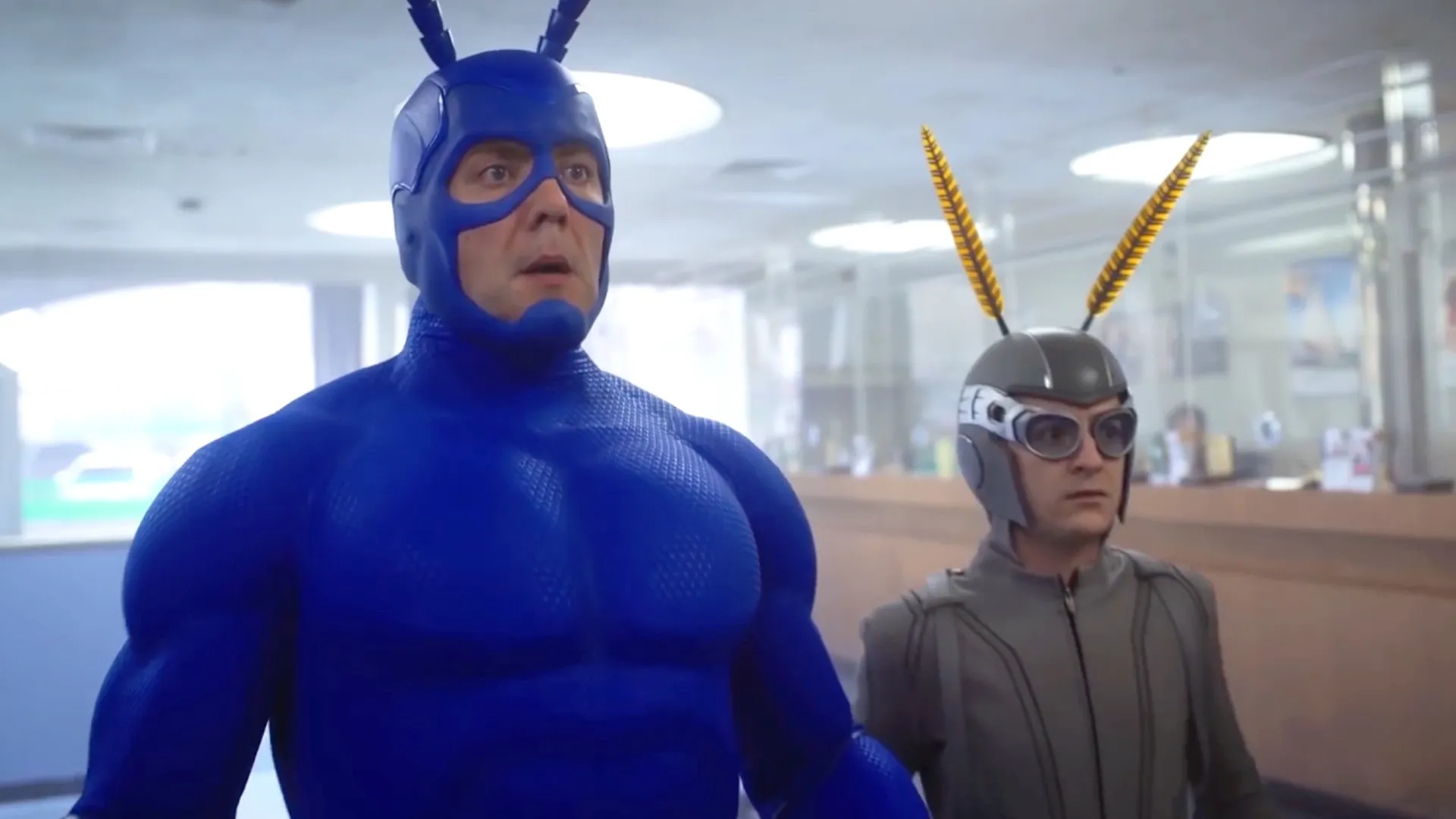
When Prime Video commissioned a fresh take in 2016, Ben Edlund returned as showrunner, determined to modernize the property while preserving its core absurdity. Peter Serafinowicz assumed the mantle of the Tick, delivering a performance that balances childlike exuberance with a slightly off‑kilter, almost “brain‑damaged Adam West” vibe. Opposite him, Griffin Newman portrays Arthur, an anxious accountant who discovers a moth‑inspired flight suit (mistaken by many as a bunny costume) and reluctantly steps into the superhero world.
Shifting the Narrative Lens
Unlike its predecessors, the 2016 series deliberately pivots the narrative focus from the indestructible Tick to his nervous sidekick. Arthur’s backstory—an accountant haunted by the murder of his father at the hands of the supervillain known as the Terror—provides a concrete emotional anchor. This narrative choice allows the show to explore vulnerability, family dynamics, and the struggle for identity, all while keeping the Tick’s simple, chaotic heroics intact.
Serialized Storytelling for the Binge Era
The original animated and early live‑action versions were largely episodic. Edlund, recognizing the binge‑watch habits of modern audiences, structured The Tick as a serialized drama. Season 1 delves deep into Arthur’s quest to uncover the Terror’s whereabouts, his discovery of the flight suit, and his tentative partnership with the Tick. Season 2 expands the universe by introducing the government‑run agency A.E.G.I.S., where Arthur confronts his insecurities alongside a roster of eccentric heroes.
Why the Show Still Works
- Balanced Humor and Heart – The Tick’s slapstick, near‑invulnerable brawn juxtaposes Arthur’s neurotic intellect, creating a comedic rhythm that appeals to both kids and adults.
- Mystery of the Tick – The series never explains the Tick’s origin, preserving the character’s enigmatic charm. He remains a walking, talking symbol of pure, uncomplicated heroism.
- Character‑Driven Plot – By giving Arthur a fully realized origin, the show grounds its absurdity in relatable stakes, making the superhero genre feel fresh.
- Strong Performances – Serafinowicz captures the Tick’s childlike wonder while Newman brings a nuanced portrayal of reluctant bravery.
Performance Highlights
Serafinowicz’s Tick is a departure from Warburton’s goofy, almost infantile take. He injects a rapid, clipped cadence that feels both alien and endearingly human. Newman’s Arthur, meanwhile, evolves from a timid accountant into a competent, if still anxious, hero, offering a compelling character arc rarely seen in short‑run superhero comedies.
The Unseen Third Season – A Blessing in Disguise?
Interviews with Edlund hinted at a possible third season that might finally reveal the Tick’s origin. While that prospect is tantalizing, the show’s brilliance lies in its refusal to demystify the blue hero. Keeping the Tick’s backstory unknown preserves the mythic simplicity that makes the series so effective. In hindsight, the two‑season run feels intentionally concise, leaving the audience with a satisfying, if incomplete, adventure.
Stream It Now
The Tick’s migration to Netflix is more than a platform shift; it’s an invitation for a new generation to experience a superhero satire that balances absurdity with genuine emotion. Whether you’re revisiting the series after a decade or discovering it for the first time, the show’s clever writing, strong performances, and modern storytelling make it a must‑watch.