

Overview & Premise
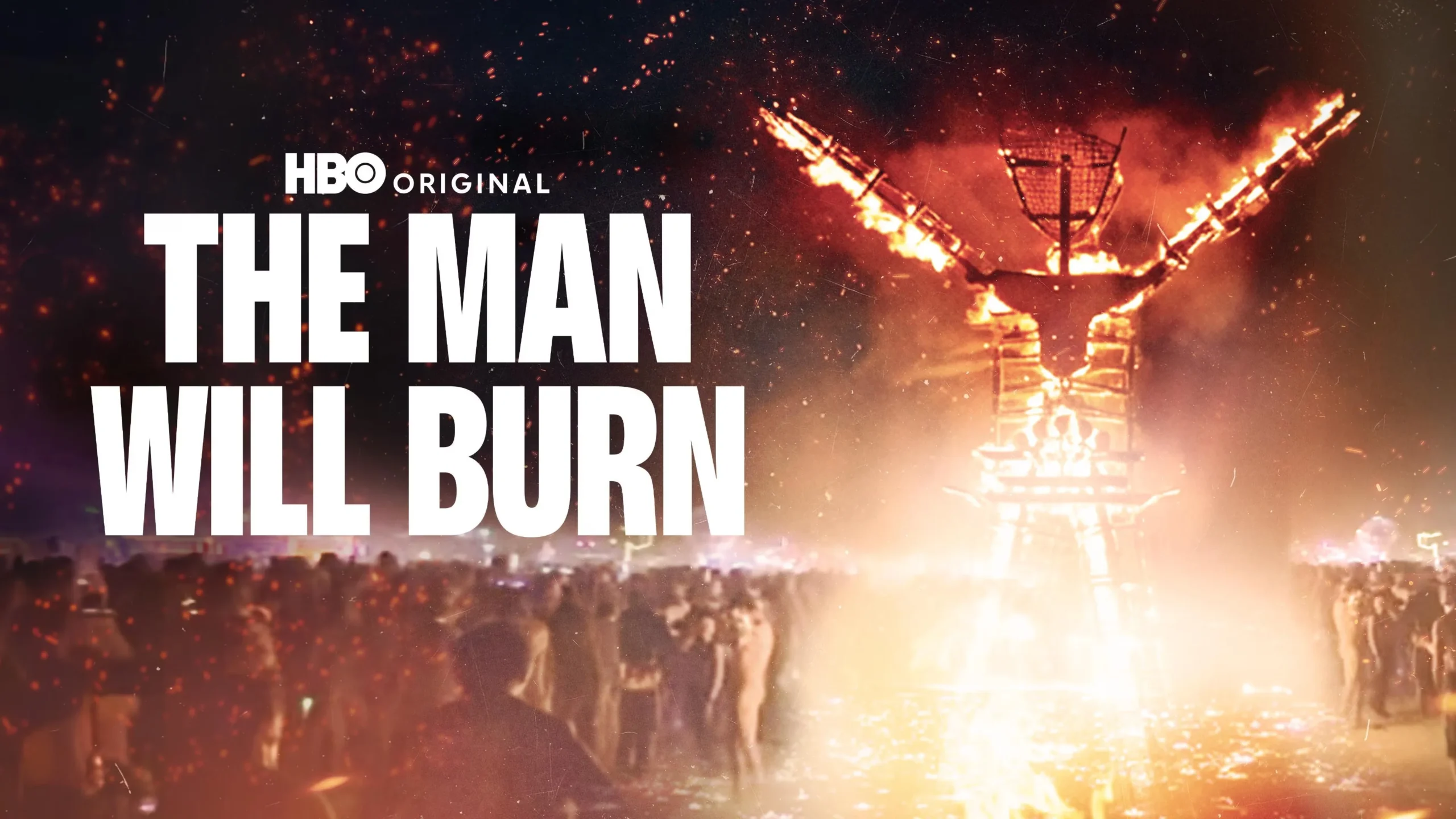
The Man Will Burn is a four‑part HBO documentary that premiered on Max and Hulu on July 9, 2026. The series follows the evolution of Burning Man from a spontaneous beach bonfire in San Francisco to the sprawling, desert‑based Black Rock City of today. Filmmakers Jehane Noujaim and Vikram Gandhi spent five years inside boardrooms, art labs, and the Nevada playa, capturing the tensions between radical self‑reliance and the massive logistics required to sustain a 70,000‑person gathering.
Historical Roots & Cultural Mythology
The documentary traces the festival’s origins to Larry Harvey’s 1986 beach fire, where a handful of friends gathered around a wooden “man.” From those humble beginnings, the event migrated to the Black Rock Desert in 1990, spurred by members of the Cacophony Society such as John Law and Michael Mikel. The series treats this history with reverence, presenting “the man must burn” as a quasi‑religious commandment rather than a simple slogan. Archival footage and veteran testimony illustrate how the ritual grew into a pilgrimage marked by impermanence, communal effort, and a strict decommodification ethic.
Governance, Crisis & Internal Conflict
A central narrative thread follows the 2021 debate over whether to cancel the event during the COVID‑19 pandemic. The boardroom clash pits CEO Marian Goodell—who advocates safety and responsibility—against benefactor Kimbal Musk, who insists that the festival’s spiritual core hinges on the annual burning. This disagreement becomes a power struggle over who truly owns the Burning Man ethos. The film documents Musk’s pressure, his eventual resignation, and the broader question of how billionaire donors influence a community that prides itself on anti‑commercialism.
The series also explores Burning Man’s uneasy relationship with libertarian and conservative participants, showing that the event’s “radical inclusion” can mask deeper class divides. Luxury RVs, high‑ticket costs, and camp networks reveal that while no money changes hands inside Black Rock City, access still depends on financial resources.
Personal Narratives & Community Voices
To ground the epic story, Noujaim and Gandhi introduce first‑time attendees Lindsay, a professor streaming classes from Pasadena, and Ray Christian, a Black former Army paratrooper seeking communal healing for PTSD. Their anticipation and eventual disappointment after the 2021 cancellation highlight why the festival’s mythology endures: people arrive with personal needs that transcend mere entertainment. Veteran burners such as Zoe Nightingale describe Black Rock City as family, workshop, and sanctuary, while artists explain how they build monumental works destined for destruction.
The documentary also examines the 2023 flooding, when relentless rain turned the playa into mud, stranding vehicles and generating sensational news coverage. The film captures both the remarkable community spirit—participants sharing supplies and helping neighbors—and the underlying class tensions, as wealthier attendees fled in high‑end RVs while others stayed to endure the conditions.
Visual Storytelling & Production Quality
Visually, The Man Will Burn excels. Aerial drones reveal the geometric precision of Black Rock City, while night‑time pyrotechnics light up the desert horizon. The filmmakers gain unprecedented access to board meetings, archived footage, and on‑the‑ground moments, providing a cinematic portrait of a gathering that thrives on impermanence. However, the series sometimes errs on the side of polished aerials rather than probing the uncomfortable questions about institutional control, financial entanglement, and the commodification of anti‑commercial ideals.
Critical Assessment & Final Thoughts
The Man Will Burn succeeds as a vivid, visually arresting chronicle of a cultural phenomenon. Its historical sweep, intimate personal stories, and dramatic boardroom battles illustrate how a counter‑cultural experiment has become a complex, bureaucratic organization. Yet the documentary frequently mistakes proximity for scrutiny, often reframing conflicts as “family disputes” that can be resolved by communal goodwill. Issues such as land purchases, leadership turnover, and the financial pressures behind the scenes remain under‑explored, leaving viewers with more questions than answers about the festival’s future.
In sum, The Man Will Burn captures the magnetic pull of Burning Man’s fire while revealing the bureaucratic machinery that keeps it burning. The series is a must‑watch for fans of the event and anyone interested in the interplay between radical ideals and institutional reality.